A New Dark Age

By |2014-01-07T11:15:53-06:00May 21st, 2012|Categories: Bradley J. Birzer, Politics|

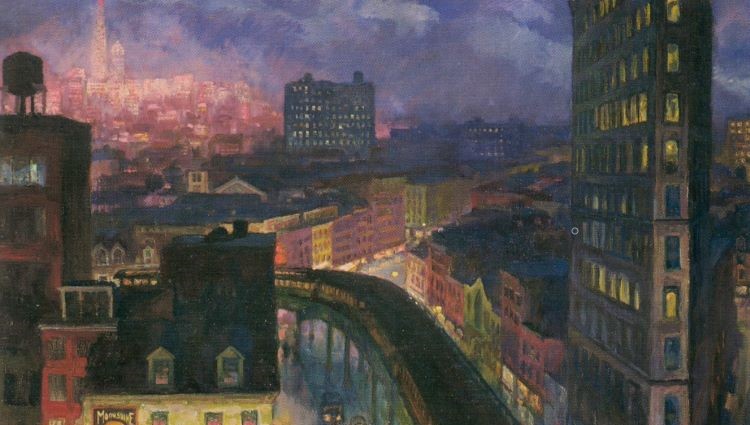
There are days and, then, there are days. In 1948, T.S. Eliot assumed that western civilization moved inexorably toward a new dark age. “We can assert with some confidence that our own period is one of decline,” he lamented. “The standards of culture are lower than they were fifty years ago; and the evidences of [...]
Self-Government Requires Self-Governing Citizens

By |2023-01-14T17:16:29-06:00May 21st, 2012|Categories: Books, Republicanism|

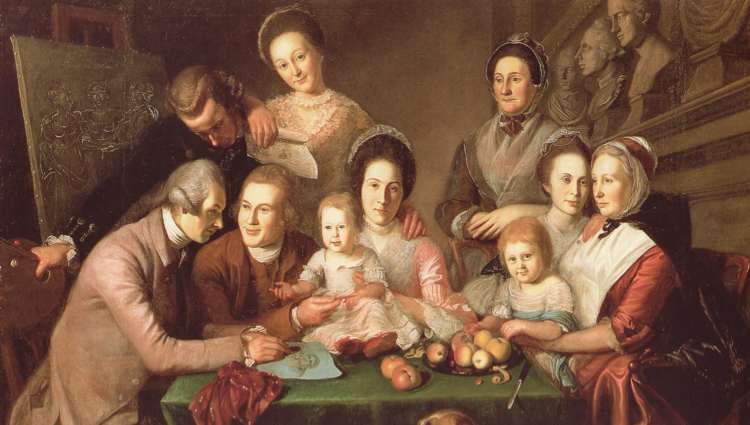
America was not great because of those in power or because of its “privileged orders,” but derived its “dignity and importance, through the natural and honorable channels of prudence and industry.” These were not political qualities, but social values of individual responsibility and integrity. During the first four decades of the American Republic, the irascible [...]

Madison & the Dynamics of the Constitutional Convention

By |2014-04-26T11:57:32-05:00May 19th, 2012|Categories: American Founding, American Republic, Constitutional Convention, James Madison|Tags: |

Studies of the Constitutional Convention, both “empirical” and more “impressionistic,” almost always emphasize its multiplex divisions: small states vs. large, “pure” federalists against proponents of a large republic, planting states against commercial interests, south against north. There is no denying the necessity of close attention to these conflicts. The Convention was a battleground for disagreeing [...]

Virtuous Men v. Champions of Modern Civilization

By |2016-11-26T09:52:15-06:00May 19th, 2012|Categories: Alexis de Tocqueville, Democracy in America, Quotation|

I also see gentle and virtuous men whose pure mores, quiet habits, opulence, and talents fit them to be leaders of those who dwell around them. Full of sincere patriotism, they would make great sacrifices for their country; nonetheless they are often adversaries of civilization; they confound its abuses with its benefits; and in their [...]

The Real Founding: Long Gone

By |2023-07-08T12:56:01-05:00May 18th, 2012|Categories: American Founding, American Republic, Bradley J. Birzer, Politics|

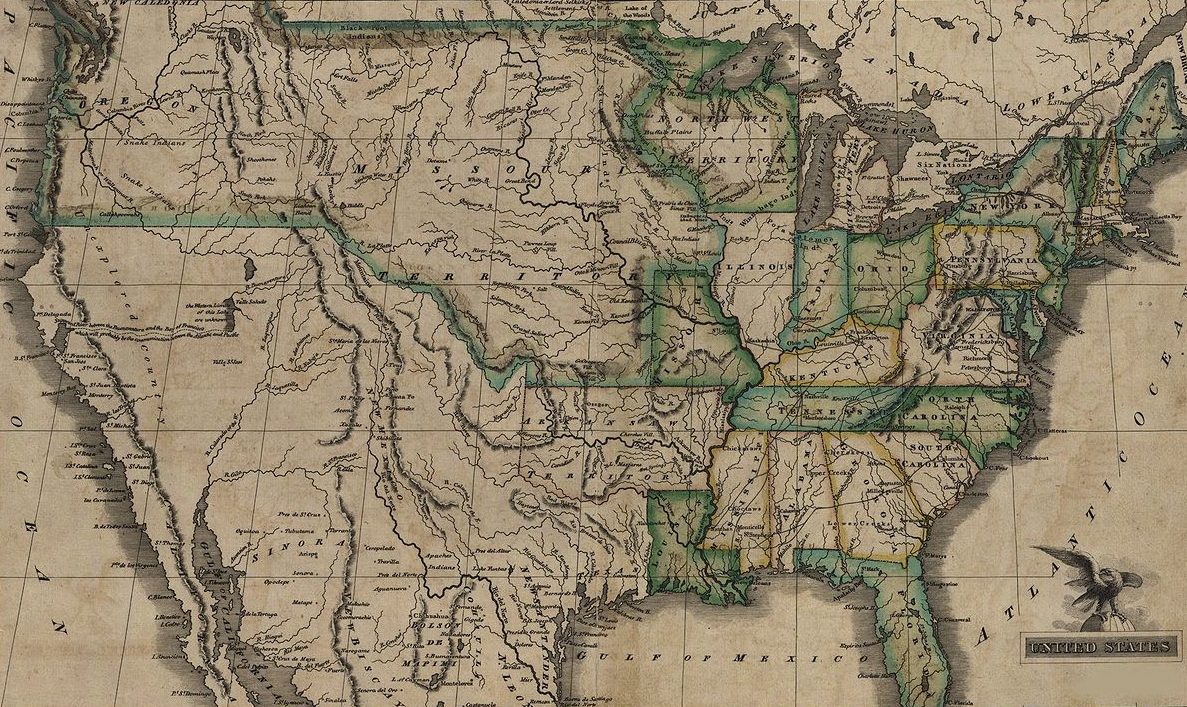
Last week, I had the privilege of lecturing on the Northwest Ordinance of 1787. Passed unanimously by Congress in New York on July 13, 1787, this law never ceases to inspire me. As our own venerable John Willson has argued many times, it is, quite possibly, the most impressive republican law ever passed. Protecting religious [...]

The Reserved Powers of the Tenth Amendment

By |2019-09-19T12:05:05-05:00May 17th, 2012|Categories: 10th Amendment, Constitution|Tags: |

The Tenth Amendment and State Sovereignty: Constitutional History and Contemporary Issues, Mark R. Killenbeck (Editor) The Tenth Amendment can best be described as the last visible battlefield breastwork of the constitutional struggle between the forces of centralization and those of localism. But just as military advances have made nineteenth-century earthen breastworks mostly obsolete, so, too, have [...]

Civilization

By |2022-11-06T17:54:09-06:00May 16th, 2012|Categories: Civilization, Family, Featured, Quotation, Will Durant, Wisdom|

“Civilization is social order promoting cultural creation. Four elements constitute it: economic provision, political organization, moral tradition, and the pursuit of knowledge and the arts. It begins where chaos and insecurity end. For when fear is overcome, curiosity and constructiveness are free, and man passes by natural impulse towards the understanding and embellishment of life.” [...]

Russell Kirk and the Swords of Imagination

By |2014-01-10T22:16:09-06:00May 16th, 2012|Categories: Film, Moral Imagination, Russell Kirk|Tags: |

The battle for our future is being fought within the imaginations of men. This has always been so. Russell Kirk explained: “All great systems, ethical or political, attain their ascendency over the minds of men by virtue of their appeal to the imagination; and when they cease to touch the chords of wonder and mystery [...]

The Third Way: Wilhelm Roepke’s Vision of Social Order

By |2021-10-09T15:25:29-05:00May 15th, 2012|Categories: Economics, Political Economy, Ralph Ancil, Wilhelm Roepke|Tags: |

Wilhelm Roepke endeavored to weave together a new view that would preserve the best of the past and the present; a vision of order which eschewed the extremes of both laissez-faire capitalism and collectivist socialism. He sought an entirely different view, a third way, which combined economic freedom with humane factors sculpted to fit the [...]

Thomas Jefferson or Alexander Hamilton?

By |2016-10-17T11:05:42-05:00May 15th, 2012|Categories: Alexander Hamilton, American Republic, Clyde Wilson, Thomas Jefferson|

Friends, you must have either Jefferson or Hamilton. All the fundamental conflicts in our history were adumbrated during the first decade of the General Government in the contest symbolized by these two men. Hamilton lost in the short run, but triumphed in the long run. He would find much that is agreeable in the present American [...]

Popular Government and Intemperate Minds: Democracy As Ideology

By |2018-10-16T20:25:05-05:00May 14th, 2012|Categories: Democracy, Ideology, Jean-Jacques Rousseau, Politics, RAK, Russell Kirk|

Ronald Reagan & Russell Kirk At the beginning of the twentieth century, few states in the world could be called democratic. Yet much personal and local freedom existed under the reign of law. Near the close of the twentieth century, nearly every political regime throughout the world professes to be democratic. Yet in [...]

Go to Top