
 Crushed into near despair by a particularly nasty cold, a man reaches blindly into his pocket searching for relief. He grasps a cough drop—the sole salve for his burning throat—and unwraps it. Something catches his eye. He finds printed on the wrapper lines such as “Impress yourself,” “Bet on yourself,” and “Elicit a few ‘wows’ today.” His cough drop wrapper is giving him a pep talk. His happiness at these well-wishes, however, is fleeting. Try as he may to be positive, his cold oppresses him, his throat aches him, and his sorrow remains in him.
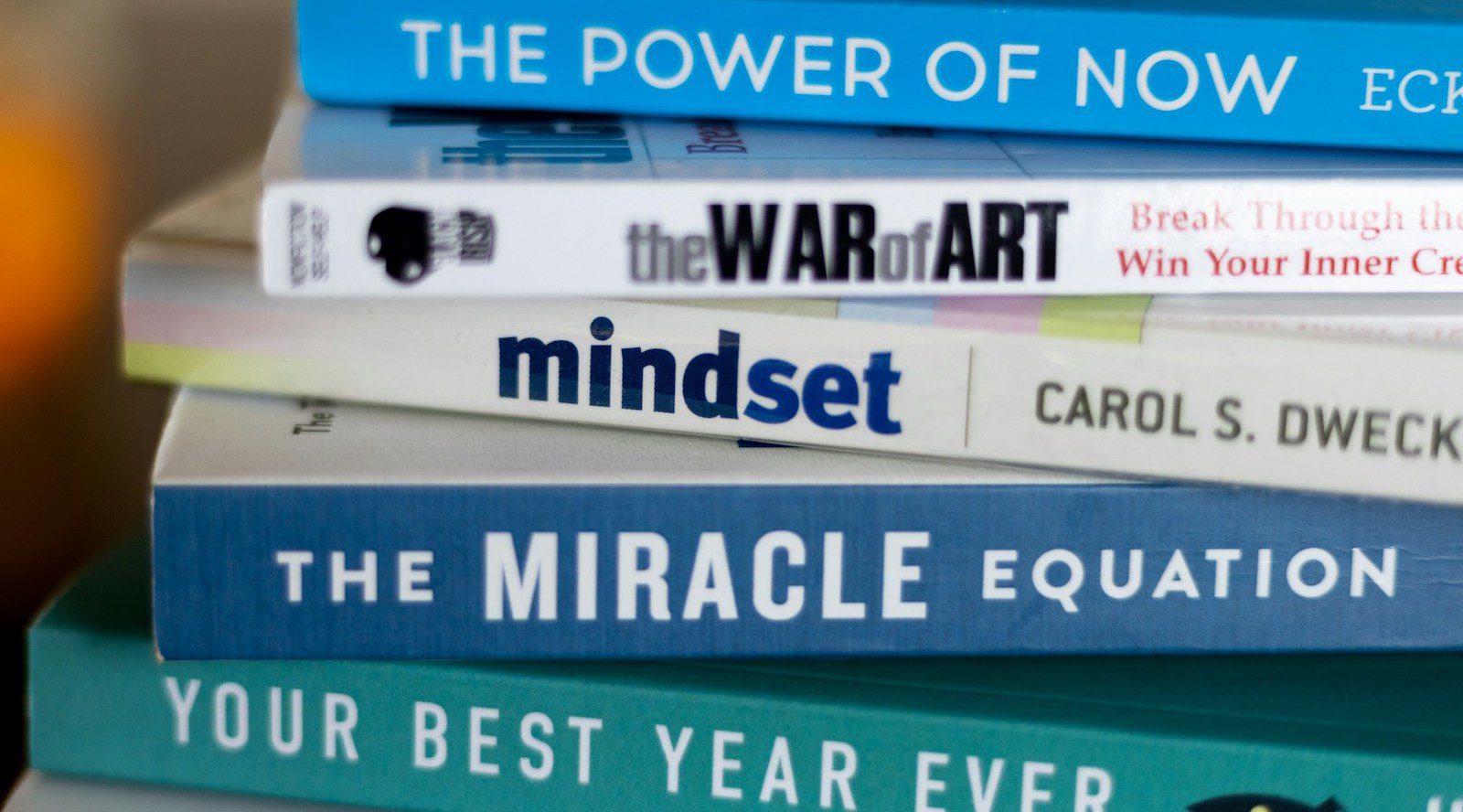
Inspirational quotes encourage us to make ourselves happy. They are in the same family as self-help books, which encourage us to overcome difficulties. Both are extremely popular, which is no surprise in a nation experiencing a mental health crisis. It is admirable to remain positive in the face of difficulties, and self-help books as well as inspirational quotes attempt to do just that.
Yet after reading them, more often than not we’re right where we left off. We can try all we want to be happy, but it is not as simple as it seems. If we could be happy, we would.
If we want advice on happiness, we should turn to the happiest people alive—the saints. Today we celebrate the feast of Saint Thomas Aquinas. Although the Common Doctor of the Church is not known for his self-help books, he possesses a deep knowledge of the human heart. Writing centuries ago, Aquinas recognized a sobering, perennial truth:
Happiness is something belonging to the soul; but that which constitutes happiness is something outside the soul. (ST I-II q. 2 a. 7)
This one sentence completely captures the tension we all experience in life. We can be happy, yet our happiness always remains just outside our precise control. It is often fleeting and unpredictable; we simply can’t make ourselves happy.
How then, can we be happy?
Jesus Christ, speaking both to his disciples two millennia ago and to us today, gives us the answer.
As the branch cannot bear fruit by itself, unless it abides in the vine, neither can you, unless you abide in me. I am the vine, you are the branches. He who abides in me, and I in him, he it is that bears much fruit, for apart from me you can do nothing. (John 15:4-5)
Jesus does not tell us to make ourselves happy, to pull ourselves up by our bootstraps, or to elicit any “wows.” Instead, he tells us that apart from him we can do nothing—which includes making ourselves happy. Jesus Christ presents himself as the only antidote to our unhappiness. He does this because “God alone constitutes man’s happiness” (ST I-II q. 2 a. 8).
Jesus spoke the words quoted above so that his “joy may be in you, and that your joy may be full” (John 15:11). Christ came to make his people happy. Yet in our present life, marred by sin, it is a happiness we cannot fully realize. We are continually “on the way” to happiness. This earthly journey for heavenly happiness is clouded by mystery and culminates in the Cross of Jesus Christ. Yet through it all, we are promised a homeland where sorrow will be banished and joy will reign supreme (Isa 65:17-19; Rev 21:1-4). And the key to that promise is Christ, not us. Our source of happiness does not depend on anything we can do; it depends on what God can do.
Inspirational quotes and self-help books can be helpful, but only when they do not command the impossible. We cannot make ourselves happy. Only Jesus can. Once we accept this truth, we can then find the strength to hope, not in ourselves, but in Christ. Then we can face any difficulties without fear, full of hope in the one who can save us.
✠
Republished with gracious permission from Dominicana (January 2025).
The Imaginative Conservative applies the principle of appreciation to the discussion of culture and politics—we approach dialogue with magnanimity rather than with mere civility. Will you help us remain a refreshing oasis in the increasingly contentious arena of modern discourse? Please consider donating now.
Photo by Seema Miah on Unsplash



The article is true though the author overlooks the role of the Holy Spirt who promotes the virtuous life as the good life as “what we ought to do” enjoying the Fruits of the Spirit while sharing “what we ought not to do” of the vices that results in our pain and suffering as well as those around us.
Thank you for an informative article. The idea of “happiness” is spread throughout the Western world–especially by the New Age movement– as though it is a prerequisite for life. I not only disagree, but can see that its other side–sadness, loneliness, despair are quite necessary for the development of the soul (another concept seemingly lost to us). Millions of depressed people try to ameliorate their condition by taking pills which only numbs them to life. No, happiness, as the great Viktor Frankl (logotherapist) tells us, is a byproduct of a meaningful life. Many find the Christian message to be irrelevant, but Frankl does not dismiss the concept. He says that innumerable people believed they are assigned their task by God and that while the meaning may change, it never ceases to be.
MY soul was restless until it rested in God . Thank you Brother for this reminder and for the theological truth that seeking God each day and praying to do God’s will is a life long journey that gives us so much more than happiness …. But gives us the Peace (that only God can give). A peace that enables us to trust and know that God is in control in the good and bad times in life . A peace that gives us the assurance that God’s love is everlasting.
Your writing is beautiful and inspirational. I think of you often and pray for you and the good work that you do today and will do as a priest. I am in awe (and inspired) by you Br.Patrick☘️