
Heroes and saints are not necessarily easy to get along with, since they answer a higher call that puts them at odds with the world around them, even those closest by. It is not easy to fit the hero into ordinary life, but without these primordial figures, we would not hope for more in human life than good internet service and enough coffee.
 On Sunday, at the Matriculation Ceremony that starts the new school year, I had some words for our new freshmen, the largest class in the history of Wyoming Catholic College:
When you enter the classroom this week, you will encounter in a new way those figures that the tradition of the West has always honored and whose names you have known since childhood: in Genesis, the patriarchs specially called by God; in the Iliad and the Odyssey, the heroes who explore the boundaries between the mortal and the immortal. These are men and women who step outside the common order into a uniquely charged sphere of unfolding meaning. They extend the expectations of mankind.
That does not mean that you will like them. Don’t expect Achilles to act like Aragorn or Captain America, for example, but give him his due and you might be afforded a glimpse into Homer’s grave and sublime exploration of the meaning of mortality, when even the most godlike of men must face the inevitability of death. When you see Abraham raise his knife over the bound and terrified Isaac on Mt. Moriah, you might reflect how profoundly such a moment goes against the grain of our wincing, politically correct times. Things would not go well for Abraham among the woke, I suspect. But the stories of these heroes and saints have lasted through many different cultures and civilizations, and they remain vital in our own because they take us into the depths of who we are called to be in the real, God-given world.
Heroes and saints are not necessarily easy to get along with, since they answer a higher call that puts them at odds with the world around them, even those closest by. It is not easy to fit the hero into ordinary life, but without these primordial figures, we would not hope for more in human life than good internet service and enough coffee. Here at Wyoming Catholic College, we have a culture of expectation that calls at every point upon the best that is within you. This is not an education geared to trigger warnings and safe spaces, but to courage and prudence, justice and temperance—and of course, beyond those, to the holy gifts of faith, hope, and love. We are not engaged in tearing down or demeaning what is great, but in honoring whatever is noble and good, wherever it might be found.
I very much hope that we are a community disciplined by the fear of God. You freshmen have had many occasions of learning healthy fear these past few weeks. Fear of God does not mean backing away from Him, as though He were too dangerous, any more than you would back away from the challenge of a peak ascent. In moral choices, this fear does not mean a cowering and self-obsessed scrupulosity, but a responsible self-respect grounded in God’s love for you in the situations you face daily. It means respect for others and attentiveness to the possibilities for justice and for mercy. Fear of God, in the sense that I mean it, is awareness of another choice when there is a temptation to belittle others or indulge yourself. Moment to moment, there is a better way, a best way. Fear of God means a dread of choosing what you know to be wrong or of letting something harmful happen through weakness, indifference, or inattention. It is wholesome and cleansing, like cold mountain air. It is the kind of fear that makes you alert and urges you to pay attention and watch where you are going.
Classes began on Tuesday, and I trust that, by now, their professors have put the fear of God (in a more colloquial sense) into the students.
Wonderfully, the community has also been given an example this week of a delightful fearlessness in God’s presence. The sisters of the Missionaries of the Word from the Diocese of Green Bay, led by Mother Mary Catherine, arrived on Tuesday and stayed through the day on Wednesday, attending classes, having conversations, giving talks, and sharing meals. Urged to visit by Bishop David Ricken, who founded Wyoming Catholic College when he was Bishop of Cheyenne, they brought a spirit of joy that was altogether infectious.
I will say more about them on another occasion, but one reflection comes readily to mind. For the past several evenings, my wife and I have watched hundreds of cliff swallows whirling over the nearby fields and the creek bottom below our home. In intricate patterns, altogether unplannable, they fill the air, whiplashing up to us on the cliff’s edge, gliding off, soaring suddenly upward, slashing left or right, or riding the big Wyoming wind in long, graceful curves down to the trees beside the creek—then off again, up, out, in, everywhere. It’s impossible to see them without feeling the joy of the air. When I met Mother Mary Catharine and the sisters of the Missionaries of the Word, I knew their spirit of abandonment to Jesus reminded me of something. It makes me smile to realize what it was.
Republished with gracious permission from Wyoming Catholic College‘s weekly newsletter.
The Imaginative Conservative applies the principle of appreciation to the discussion of culture and politics—we approach dialogue with magnanimity rather than with mere civility. Will you help us remain a refreshing oasis in the increasingly contentious arena of modern discourse? Please consider donating now.
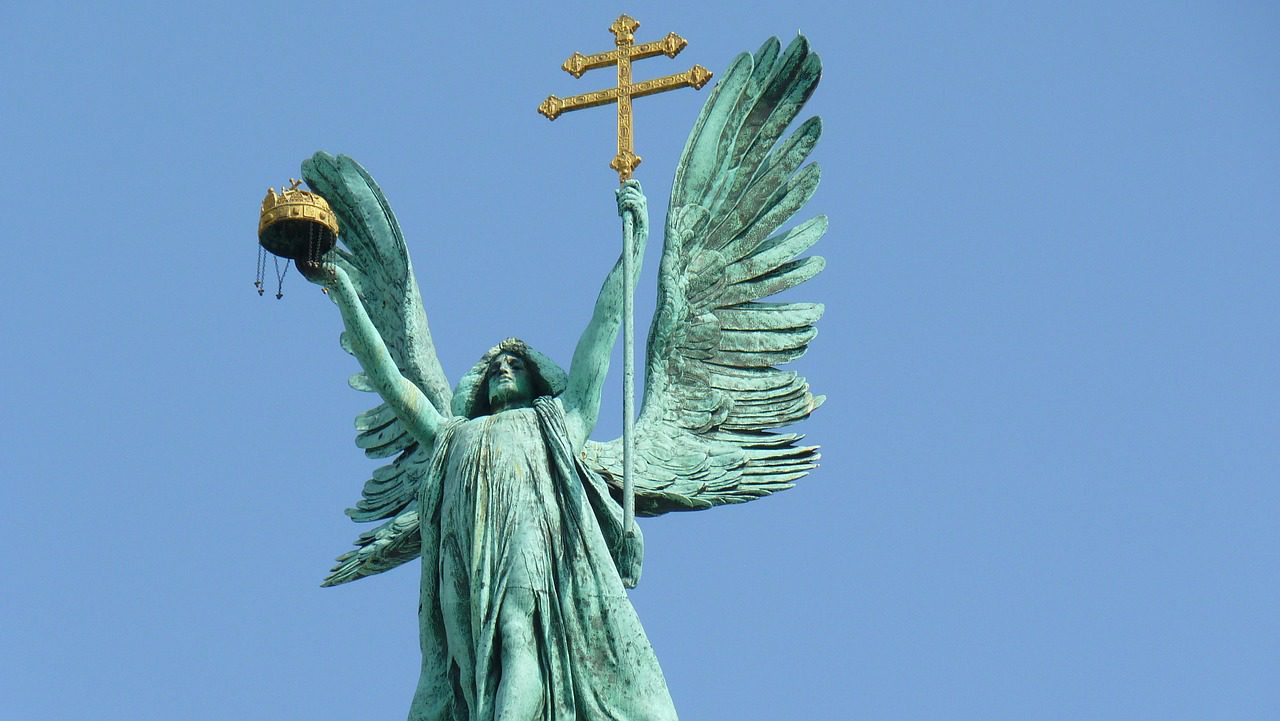
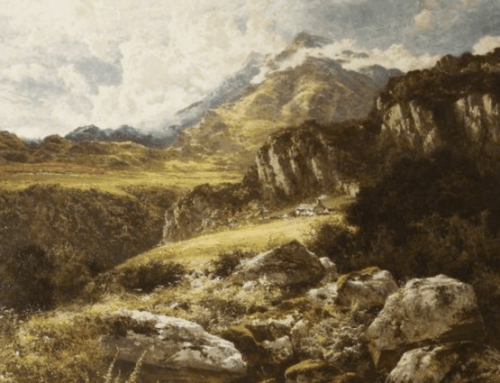
The featured image is courtesy of Pixabay.


Wonderfully invigorating article…….best wishes for the upcoming year.