
What are our students going to be bringing into their first contact with this world? Primarily sanity. Grounded in the real virtues, cardinal and theological, they understand themselves and others as loved by God, given life by His will, sustained by His purposes.
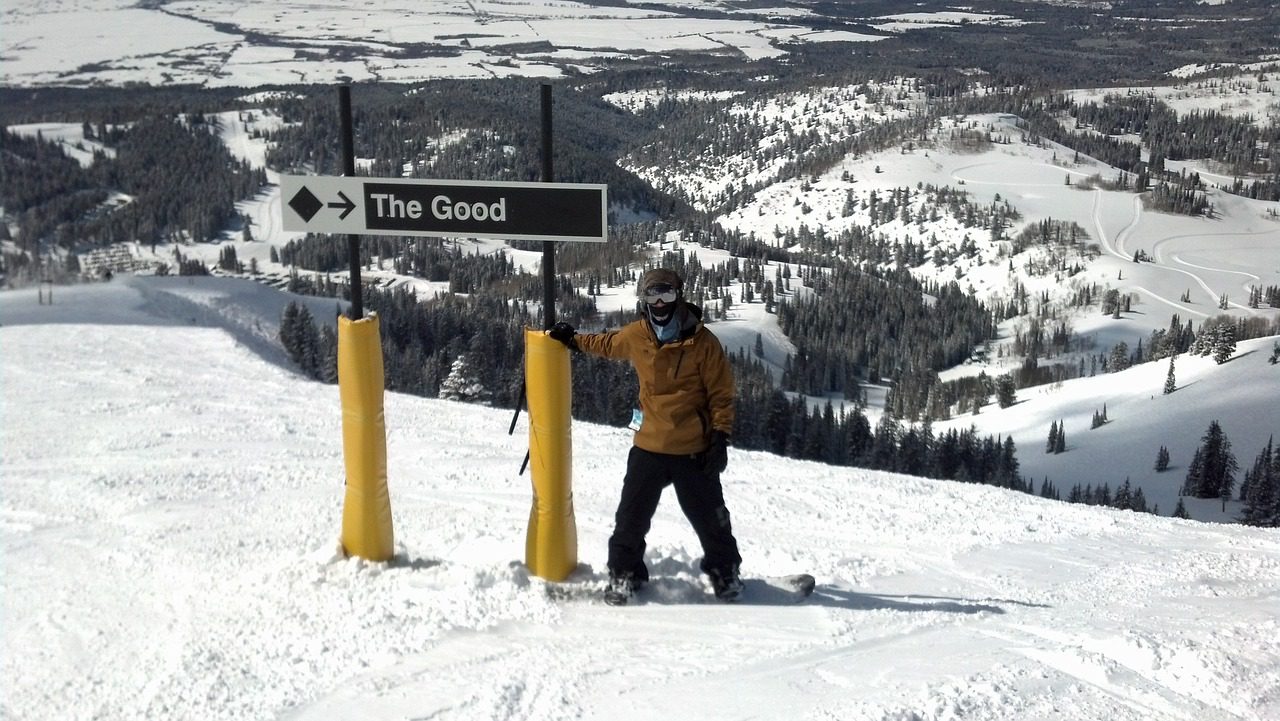 It’s Finals week at Wyoming Catholic College. Since Monday, students have been fidgeting on couches or standing in huddles outside faculty offices on the second floor of Baldwin. They are waiting their turns for oral exams. You can sense among them, on the one hand, the excitement of being near the Christmas break, and on the other, the anxiety of being required to show that they have made their own everything they have learned during the semester.
Quite a few professors at Wyoming Catholic use oral exams in which they meet with each student individually for up to fifteen minutes. With larger sections, this kind of exam takes the professor many hours of concentrated interaction, sometimes nearly the whole week of finals. I asked Dean Kyle Washut why he prefers orals, and he told me that they require the same level of preparation as a written exam, and he thinks they free the students up in important ways. In a conversation with the professor, the student can say something and then clarify it or amplify it under questioning, and the professor can quickly gauge whether the student is actually conversant with the subject matter.
In a written exam, what’s inscribed on the page has to speak for itself—which is, of course, the point of good writing. I did not teach this semester, but when I do, I teach literature (litterae, letters), and I need to see how students put their ideas together in writing, how they make an argument and draw quotations from the texts into their essays, say, on the freedom of Eve in Paradise Lost or the importance of the Lazarus story in Crime and Punishment. The writing itself is important. Regardless of the form, finals are always revealing. I’ve always considered them an opportunity for students to bring together disparate thoughts, especially with the right kinds of questions, and I’ve received some truly startling and memorable finals.
It’s interesting to think about the relation between the “finality” of these exams and the beginnings that always follow them. I have been thinking in these recent weeks about the world that our graduates will enter after their last finals next semester. A “commencement” is of course a beginning (as I will no doubt say again in May), and the new beginning will be in a world outside the schools (of one sort or another) they have attended for most of their lives. What are they entering? We used to call it the “real world.” In a lecture that I quoted recently, John Senior said, “I hold this truth to be self-evident: the world today is not essentially different from the way it has always been and always will be until the end.… There have been many changes in it, but the essence, the nature of the world, is still the same.” If the world is what it has always been, then the same virtues apply to the same fundamental realities.
Yes, except that some of the loudest voices of the contemporary world deny that there are “self-evident truths.” We could argue about when exactly this way of seeing the world began — it was certainly full-blown by the time of the French Revolution — but this mode of thinking does not accept “reality” as a basis for thought and action but considers “the real” someone else’s politically motivated imposition, a burdensome restriction that works to the advantage of those in power. In this way of thinking, there are no legitimate correctives to behavior, and there should be no impediment of any sort to any intimate desire. Selfhood (especially sexuality) is a creative act, an individual unfolding of uniqueness necessarily free of moral law or the religious ideas of others.
Our students will go out among those who believe in radical self-ownership—freedom not just from the coercive actions of others but especially from their private ideas. Justice for them means being unendangered by others’ religious convictions, guns, diseases, morals—anything. Essentially anarchic, they maintain their stance with judgmental and highly legalistic fervor. They will consider it unacceptable, for example, that our graduates believe the two biological sexes to imply something meaningful about saying “men” and “women.” It is intolerable to those seeking pure autonomy that others should characterize them without their permission: hence the emphasis on “pronouns.” If unwanted actions by others infringe upon their creative selfhood, it makes sense that abortion is the culminating issue. With a perfect logic of selfishness, they think of the ability to kill a child in the womb as the right underlying all their other freedoms. That child (our real participation in creation) symbolizes every innocent-looking imposition of responsibility or expectation from outside the self. True believers in auto-genesis are passionate about “abortion rights,” and the more vocal they are, the more evident it is that only the real act of blood sacrifice, publicly mandated and forced upon the consciences of others, guarantees their autonomy.
What are our students going to be bringing into their first contact with this world? Primarily sanity. Grounded in the real virtues, cardinal and theological, they understand themselves and others as loved by God, given life by His will, sustained by His purposes. They will make their way with the confidence of real experience of challenge and duress, long conversations about the most important things, a sense of the greatness and promise of the past—what has been before can be again. They will feel the pressures of their contemporaries, but the difference is, they trust reality, and reality remains what it has always been. They believe in finals and in new beginnings, both the Last Judgment and the Child in the manger Who became man truly to remake Creation.
Republished with gracious permission from Wyoming Catholic College.
The Imaginative Conservative applies the principle of appreciation to the discussion of culture and politics—we approach dialogue with magnanimity rather than with mere civility. Will you help us remain a refreshing oasis in the increasingly contentious arena of modern discourse? Please consider donating now.
The featured image is courtesy of Pixabay.


Beautiful, Merry Christmas
Your college gives us true HOPE….May you be truly blessed in the new year, Pres. Arbury…..
***
I DO have one question: ….How do those of us who graduated from a Catholic college who has gone – as so many have – to the Left respond to outreaches by said college for money, and support.
I do NOT care to donate to a college I would now no longer recommend to anyone at this time.
Just say no, with a note as to why you will not give.