The Christian Humanism of J.R.R. Tolkien

By |2020-11-06T21:59:09-06:00November 6th, 2020|Categories: Bradley J. Birzer, Christian Humanism, Christianity, J.R.R. Tolkien, Senior Contributors|

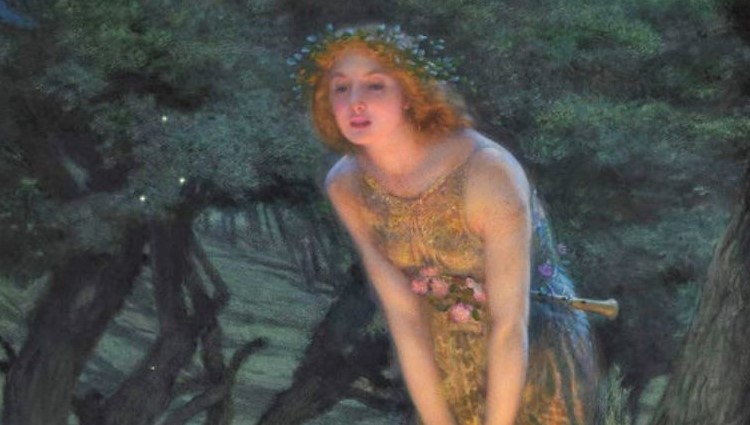
For J.R.R. Tolkien, mythology touches the deepest part of our souls, and invites us to explore the beauty of creation and to discover and participate in the sacramental nature of life. The mythology and purpose guiding his works was nothing less than the return to Christendom. J.R.R. Tolkien, I believe, was one of the most [...]

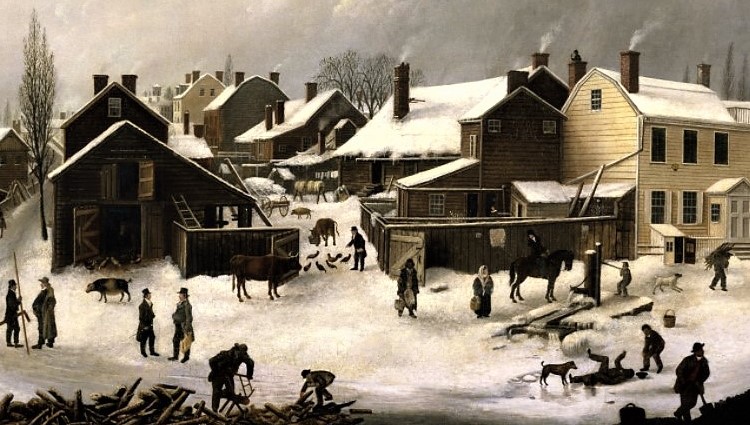
Tocqueville on America’s Colonial Experience & the Seeds of Democracy

By |2020-11-04T16:18:48-06:00November 4th, 2020|Categories: Alexis de Tocqueville, American Republic, Bradley J. Birzer, Democracy, Democracy in America, History, Senior Contributors|

As Alexis de Tocqueville’s writings demonstrate, despite its flaws and failings, America remains the best case study for the greatest successes of democracy. This success comes from the ability to integrate—to the point of inseparability—the love of religion and the love of liberty. Just as the continent of Europe was entering upon its phase of [...]

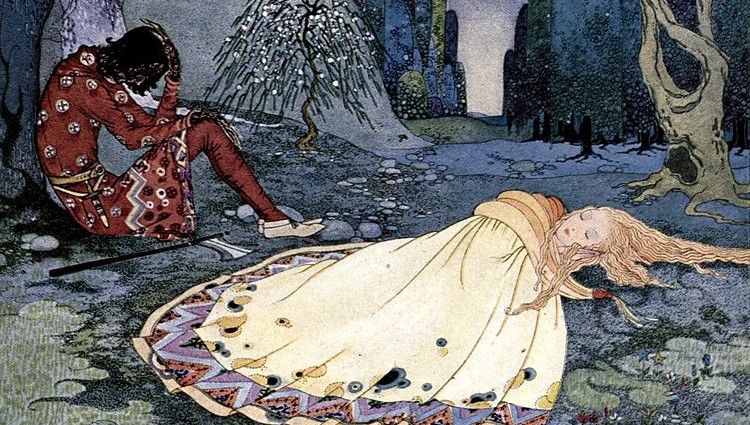
Tolkien’s “On Fairy Stories”: The Argument

By |2020-10-30T10:11:20-05:00October 27th, 2020|Categories: Bradley J. Birzer, Christian Humanism, Imagination, J.R.R. Tolkien, Literature, Senior Contributors|

J.R.R. Tolkien proclaimed that fairy—like all mythology—is an expression of our deepest longings and fears. Fairy itself, far from being supernatural, is the most natural of worlds, and reminds us of the deepest truths of existence. For J.R.R. Tolkien, Fairy was a world parallel to ours, embodying many of the rules and norms and ideas [...]

Tolkien’s “On Fairy Stories”: The Setting

By |2020-10-23T15:15:52-05:00October 23rd, 2020|Categories: Bradley J. Birzer, Christian Humanism, Imagination, J.R.R. Tolkien, Literature, Senior Contributors|

Coming when it did in J.R.R. Tolkien’s writing career, “On Fairy Stories” reveals more about the mind and soul of the man than any other non-fiction work he produced in his lifetime. Not too long after Tolkien had published The Hobbit—to much critical acclaim—and was just beginning a sequel to it, the Faculty of Arts [...]

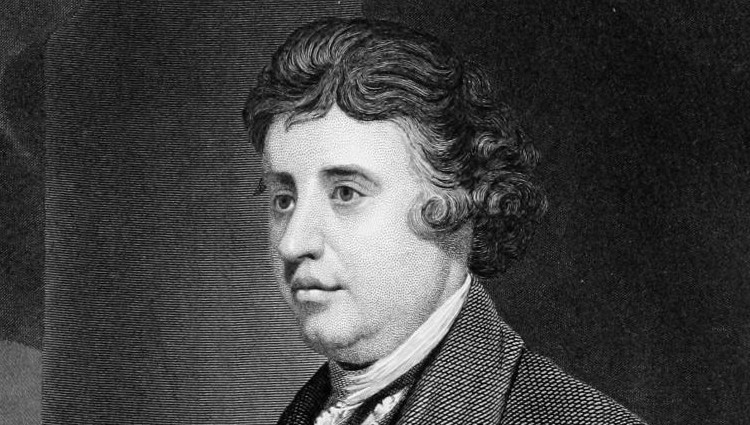
Burke’s First Letter on a Regicide Peace

By |2020-10-15T09:55:34-05:00October 8th, 2020|Categories: Bradley J. Birzer, Civilization, Edmund Burke, Government, History, Politics, Revolution, Senior Contributors|

As Edmund Burke observed, real community begins with the free and natural choice to associate at the most personal, familial, and local level, with each community growing from the ground up. By misunderstanding this, the French Revolutionaries seceded not just from Christendom, but from the laws of nature. In the final years of his life, [...]

Trumpism vs. Reaganism: A Dialogue

By |2020-10-06T16:54:47-05:00October 6th, 2020|Categories: American Republic, Bradley J. Birzer, Conservatism, Donald Trump, Modernity, Politics, Presidency, Ronald Reagan, Senior Contributors|

There are some conservatives who believe that Donald Trump is taking conservatism in the wrong direction. They would like to get back to the model of conservatism for which Ronald Reagan stood. Is conservatism shaped differently by the realities of 2020, or should we as conservatives be embracing something similar to Reagan’s 1980 platform? Adam [...]

Ten Truths of Christian Humanist Theology

By |2020-09-30T15:10:04-05:00October 3rd, 2020|Categories: Bradley J. Birzer, Christian Humanism, Christianity, Senior Contributors, Theology|

1. Theology is often the study of what we do not know. In theology, it is easier to disprove than to prove. Therefore, we begin by studying what we know and what we do not know. Once we have ruled out the incorrect, there is significant room for agreement, disagreement, and exploration within what remains. [...]

Tolkien’s “The Return of the Shadow,” 1937-1939

By |2020-10-02T10:08:43-05:00September 26th, 2020|Categories: Bradley J. Birzer, Christian Humanism, J.R.R. Tolkien, Literature, Senior Contributors|

Christopher Tolkien, in “The Return of the Shadow,” breaks down J.R.R. Tolkien’s drafts of the sequel to “The Hobbit” into three phases. In the third phase, the situations around the characters do grow tellingly darker, with drastic implications for the story that could shake the foundations even of the Blessed Realm, the land of the [...]

Tolkien Begins the Sequel to “The Hobbit”

By |2020-09-25T12:23:31-05:00September 25th, 2020|Categories: Bradley J. Birzer, Christian Humanism, J.R.R. Tolkien, Literature, Senior Contributors|

J.R.R. Tolkien intended the new book, which would later develop into “The Lord of the Rings,” to be a simple sequel to “The Hobbit.” Yet somehow the sequel was growing more adult, and Tolkien admitted it reflected the “darkness of the present days” in the shadow of the Second World War. On September 21, 1937, [...]

Robert Nisbet’s Ten Conditions of Revolution

By |2021-01-22T14:12:04-06:00September 17th, 2020|Categories: Bradley J. Birzer, Revolution, Robert Nisbet, Senior Contributors|

Given the present moment in this era of confusion in American history, one wonders whether the events of the last year count as revolutionary. Robert Nisbet’s ten conditions of real revolution may provide an answer. One of the twentieth century’s most astute observers of society, sociologist, historian, and man of letters, Professor Robert Nisbet (1913-1996), [...]

A Proper Anthropology

By |2020-09-08T11:18:53-05:00September 8th, 2020|Categories: Bradley J. Birzer, Christian Humanism, Christianity, Equality, Modernity, Senior Contributors|

Many today believe that men are just so many atoms, having nothing in common, defined only by time, place, and skin color. However, this is contrary to the wisdom of the Jews, the wisdom of the Christians, and the wisdom of the pagans. Unless we get our anthropology correct, we’ll never have order or justice [...]

Nock and Nisbet on Society and State

By |2020-09-04T15:20:28-05:00September 4th, 2020|Categories: Bradley J. Birzer, Civilization, Community, Culture, Robert Nisbet, Senior Contributors, Social Institutions|

As Albert Jay Nock argued in the 1930s, and Robert Nisbet in the 1960s, the state plays a zero-sum game: It desires to assume all power over society, even to the point of taking the place of the Church as the glue that holds all together, and thus it renders society obsolete in the long [...]

Reflections on Tocqueville: The Pervasiveness of Equality

By |2023-07-28T15:35:40-05:00September 1st, 2020|Categories: Alexis de Tocqueville, American Republic, Bradley J. Birzer, Democracy, Democracy in America, Equality, Great Books, Senior Contributors|

To this day, though America has changed in size, shape, demographics, and technology, “Democracy in America” remains the single finest description of the American experiment. Introducing his work to the world, Alexis de Tocqueville wrote that nothing struck him more than the pervasiveness of the idea of equality in the United States. Alexis de Tocqueville [...]

Robert Nisbet’s 11 Tenets of Conservatism

By |2020-08-27T17:19:55-05:00August 27th, 2020|Categories: Bradley J. Birzer, Community, Conservatism, Robert Nisbet, Senior Contributors|

Though less poetic than Russell Kirk, Robert Nisbet has as much right to be considered a “father of post-war conservatism” as does his Michiganian ally—especially given the timing of his eleven tenets of conservatism. Indeed, his ideas about society and the social relations of man are thoughtful and inspiring. Though conservatism arose as a reaction [...]

Go to Top