“Farewell, Proud City”: Dido’s Lament For Carthage

By |2021-01-10T17:40:41-06:00June 19th, 2020|Categories: Audio/Video, Hector Berlioz, Music|

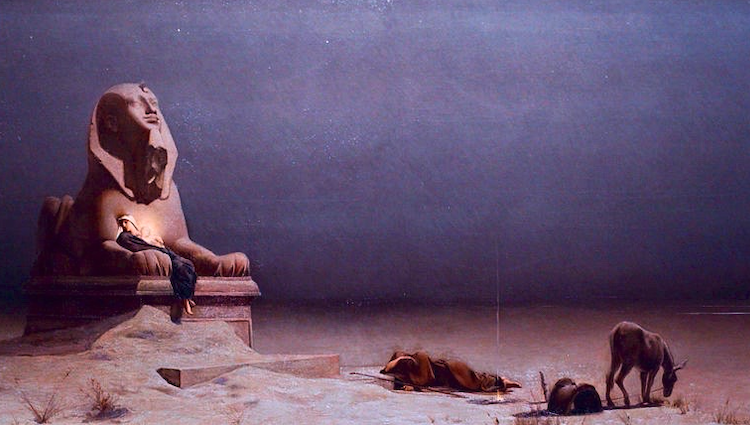
When Berlioz's "Trojans" reaches its last half-an-hour, with Dido’s rage, misery, and then calm acceptance of utter loss amid the final doomed realization of Rome’s triumph—one finds oneself on a level that shuns most other opera’s attempts at classical transcendence. Based on Virgil’s epic poem the Aeneid, Hector Berlioz composed his four-hour Les Troyens in the style [...]
Hector Berlioz and the Art of Musical Storytelling

By |2023-12-10T17:23:30-06:00December 30th, 2019|Categories: Hector Berlioz, Hector Berlioz Sesquicentennial Series, Michael De Sapio, Music|

Music with extra-musical subtexts has existed for a long time, but it was the Romantics who first combined story and music in a close synthesis. Their pioneer was Hector Berlioz, who dove into the art of musical storytelling with a daring never before seen, yet with an artistic integrity rarely achieved since. Berlioz first saw [...]

Berlioz’s “Te Deum” & Chateaubriand’s “Genius of Christianity”

By |2025-06-23T18:26:38-05:00November 13th, 2019|Categories: Christianity, Hector Berlioz, Hector Berlioz Sesquicentennial Series, Michael De Sapio, Music|

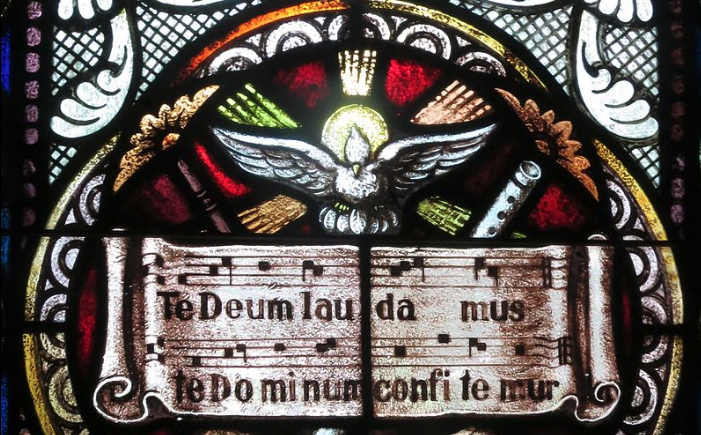
Hector Berlioz's version of the "Te Deum" surpasses them all in its colossal scale. The French composer has often been accused of bombast, but here the gigantic forces required are completely fitting for this cosmic hymn of praise. “[I]t was enthusiasm itself that inspired the Te Deum...[A]mid clouds of smoke and yet reeking blood, a [...]

The Halloween-ness of Berlioz’s “Symphonie Fantastique”

By |2021-10-26T16:23:15-05:00October 30th, 2019|Categories: Audio/Video, Halloween, Hector Berlioz, Hector Berlioz Sesquicentennial Series|

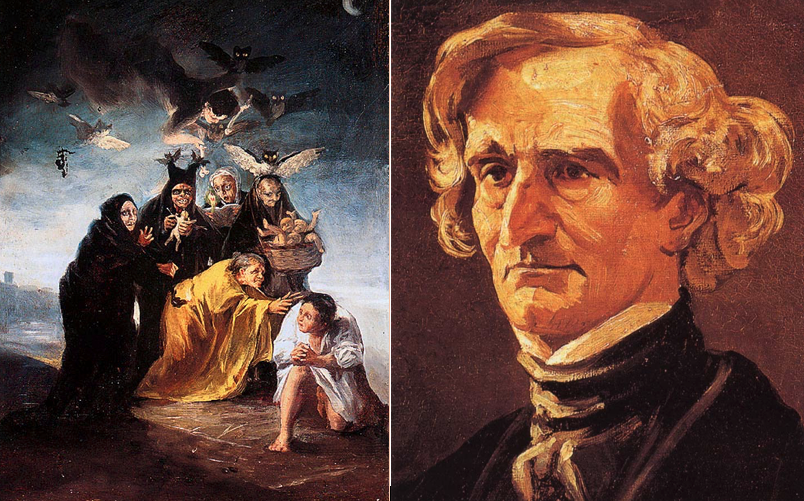
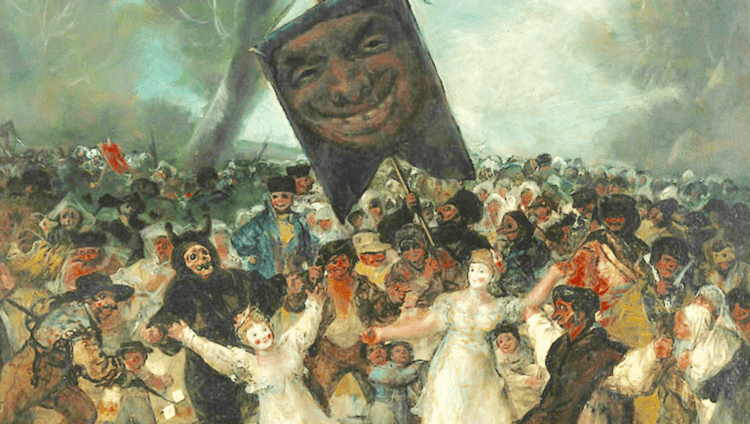
It’s October, Halloween is approaching and I am obsessed with Berlioz’s Symphonie fantastique. Blame it on the title and mood of the symphony’s fifth movement: “Dream of a Witches’ Sabbath.” Could any title be more deliciously spooky? It’s this movement, and this symphony, that make classical music people nod in recognition at the sound of Hector Berlioz’s [...]

“Chant Sacré”

By |2023-06-28T18:09:04-05:00October 11th, 2019|Categories: Audio/Video, Hector Berlioz, Music|

Hector Berlioz wrote the Chant Sacré (Sacred Song) in 1829, using re-using a melody he had employed in his cantata of the previous year, Herminie. Berlioz went on to create three arrangements for this gorgeous and brief piece: for choir and piano; for chorus and orchestra; and, in 1844, a version for six wind instruments. [...]

Berlioz and Shakespeare

By |2023-04-23T10:33:03-05:00August 15th, 2019|Categories: Audio/Video, Hector Berlioz, Hector Berlioz Sesquicentennial Series, Music, Stephen M. Klugewicz, William Shakespeare|

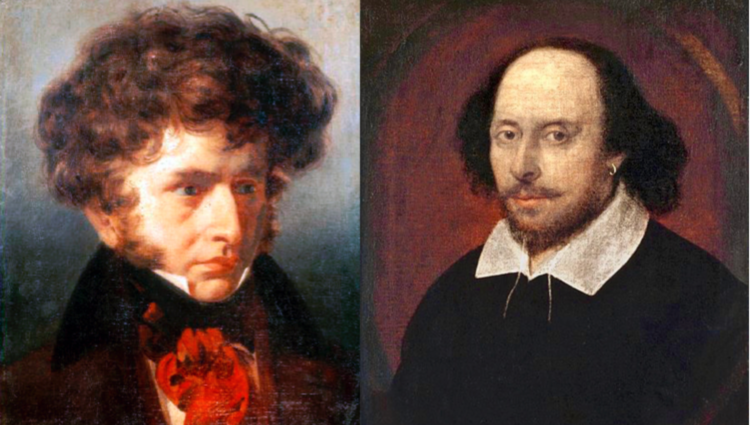
From his first experience of "Hamlet" in 1827 to his death in 1869, Hector Berlioz found William Shakespeare's plays to be an ongoing source of almost-divine inspiration for his music. Indeed, Berlioz's love for "the father of artists" led to the creation of what many consider to be his greatest work: the dramatic symphony, "Roméo [...]

Berlioz in Hell: “The Damnation of Faust”

By |2021-03-08T00:37:28-06:00April 18th, 2019|Categories: Audio/Video, Hector Berlioz, Hector Berlioz Sesquicentennial Series, Stephen M. Klugewicz|

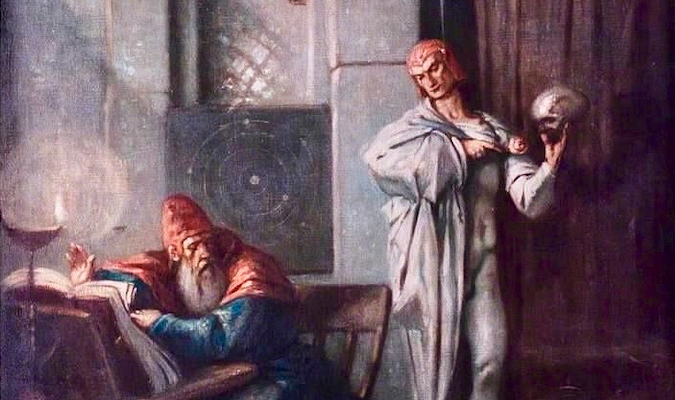
"I consider this to be one of my best works," Hector Berlioz wrote of "The Damnation of Faust." Though the piece's spirit is one of unrelenting melancholy, it features much musical diversity and is kaleidoscopic, even cinematic, in its vision. The listener here again recognizes the stunning modernism of Berlioz and finds himself immersed in [...]

Carnival Music From “Benvenuto Cellini”

By |2026-02-17T17:33:31-06:00March 5th, 2019|Categories: Audio/Video, Hector Berlioz, Music|

“I swear I shall never again achieve this verve and Cellinian impetuosity nor such variety of ideas,” Hector Berlioz effused about his opera, Benvenuto Cellini, based on the memoirs of the eponymous Renaissance artist who fashioned the great statue of Perseus cutting off the head of Medusa. Premiered in 1838, the opera was a failure, [...]

Jacques Barzun and Hector Berlioz

By |2019-04-19T00:51:56-05:00February 27th, 2019|Categories: Hector Berlioz, Hector Berlioz Sesquicentennial Series, History, Jacques Barzun, Stephen M. Klugewicz|

In his two-volume Berlioz and the Romantic Century, historian Jacques Barzun argued that the much-maligned and misunderstood composer was in fact the dominant cultural figure of his day, “who by will and genius stamped his effigy upon the nineteenth century” and brought “kings, ministers, and public institutions, no less than poets and musicians, under his spell.” Publisher's Note: This essay [...]

Learning to Love Berlioz

By |2025-12-27T20:01:05-06:00February 3rd, 2019|Categories: Audio/Video, Hector Berlioz, Hector Berlioz Sesquicentennial Series, Music, Stephen M. Klugewicz|

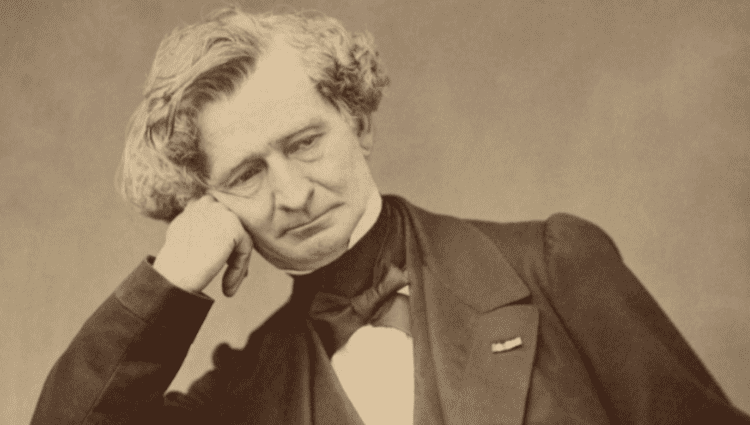
Hector Berlioz relished the spectacular sounds that could be achieved with massive orchestral forces, but he was much more than a musical showman. His gift for melody, his genius for musical drama, his mastery of orchestration, and his bold originality place him in the front rank of the great composers. He has the unfortunate reputation [...]

“Quartet and Chorus of the Magi”

By |2024-01-05T19:39:15-06:00January 5th, 2019|Categories: Audio/Video, Christmas, Epiphany, Hector Berlioz, Music|

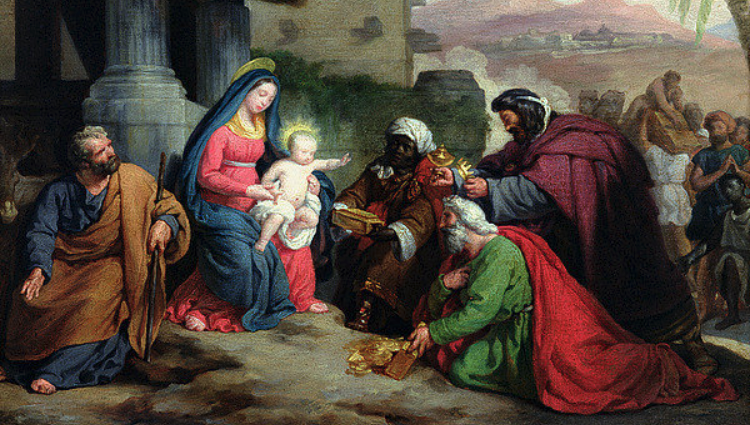
Hector Berlioz's "Quartetto e coro dei maggi" ("Quartet and Chorus of the Magi") was written sometime around the year 1832 but not published until 1902. The author of the text is not known, though it might well have been Berlioz himself. Below is the original Italian text and an English translation, followed by a performance [...]

“The Infancy of Christ”

By |2022-01-06T12:50:06-06:00December 11th, 2018|Categories: Audio/Video, Christmas, Hector Berlioz, Music|

Regrettably, Hector Berlioz's L'Enfance du Christ is little known today, aside from "The Shepherds' Farewell to the Holy Family," which is often programmed independently of the oratorio on classical Christmas albums. This chorus' gentle character may give the false impression that the 90-minute, tripartite oratorio is entirely a contemplative piece. Yet, as with all Berlioz's [...]

“Roman Carnival”

By |2022-02-28T19:45:22-06:00February 13th, 2018|Categories: Audio/Video, Catholicism, Hector Berlioz, Music|

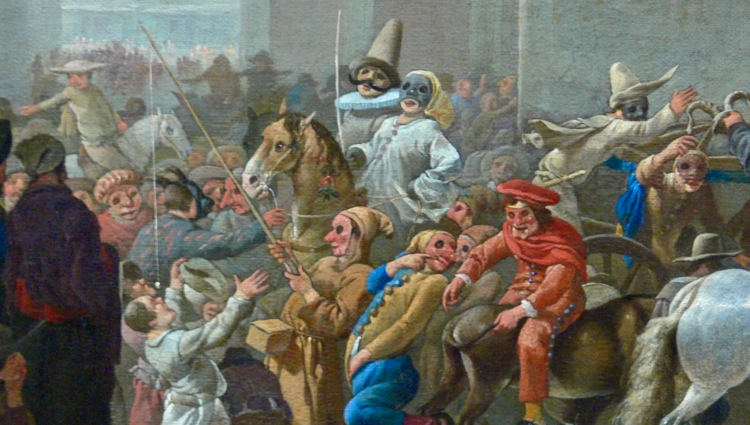
Hector Berlioz composed Le carnaval romain, ouverture pour orchestre (Roman Carnival Overture), Op. 9, in in 1844. Intended to be performed as an independent piece, it employs themes from Berlioz' opera Benvenuto Cellini: The beautiful melody on cor anglais in the slow introduction comes from the Act I duet between Teresa and Cellini, and the rousing central section [...]

Music of War and Remembrance: Ten Classical Pieces

By |2023-05-13T11:53:56-05:00November 11th, 2015|Categories: Antonio Vivaldi, Audio/Video, Gustav Holst, Hector Berlioz, Joseph Haydn, Music, Pyotr Ilyich Tchaikovsky, Stephen M. Klugewicz, War|

Across the centuries, composers have been inspired by the twin dramas of human conflict and the subsequent making of peace. Here are ten great pieces of classical music that dramatize war, celebrate its resolution, and recall its sacrifices. 10. Franz Liszt: The Battle of the Huns One of the composer's many tone poems, Franz Liszt's Hunnenschlacht—written in [...]

Go to Top