Symphonic England

By |2025-01-04T11:09:58-06:00January 3rd, 2025|Categories: England, Joseph Pearce, Music, Poetry, Senior Contributors|

Michael Kurek's English Symphony is his third symphony and perhaps his best, surpassing even the magic and majesty of his second and, as its name suggests, taking the primary world of England as its creative wellspring. When Britain had an Empire The sun would never set, But the sun set over England And Englishmen forget [...]

The Knight Before Christmas

By |2024-12-24T07:59:15-06:00December 23rd, 2024|Categories: Christmas, J.R.R. Tolkien, Joseph Pearce, Literature, Senior Contributors|

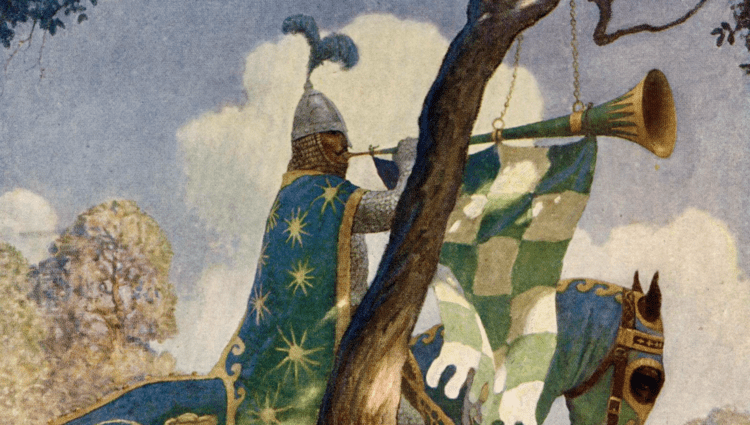
Any discussion of Christmas and literature brings to mind instantly the miserly figure of Scrooge and the ghosts in Dickens’ Christmas Carol. It is not likely, however, that such a discussion would bring to mind the medieval classic, Sir Gawain and the Green Knight. Yet this epic of the Middle Ages, written by an anonymous [...]

The Death and Resurrection of Tradition

By |2024-12-12T16:43:18-06:00December 12th, 2024|Categories: Catholicism, Joseph Pearce, Senior Contributors, Unsung Heroes of Christendom|

Dom Prosper Guéranger's tireless promotion of Gregorian chant bore great cultural fruit and helped with the Catholic revival in France. In an earlier essay in this series, we remarked how dispassionate or despondent observers at the beginning of the 19th century might have considered that the Catholic Church was terminally ill and on its deathbed. The [...]

From Tragic to Magic: Shakespeare & the Critics

By |2024-12-09T17:30:27-06:00December 9th, 2024|Categories: Books, Catholicism, Christianity, Joseph Pearce, Senior Contributors, William Shakespeare|

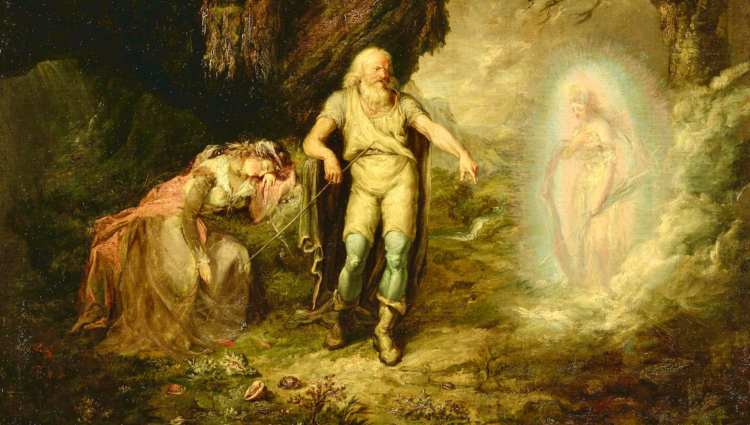
The acceptance of Shakespeare’s Catholic sympathies and sensibilities animates "Shakespeare: The Magician and the Healer," by Annie-Paule de Prinsac, who argues that the Bard disguised himself and his meaning in a mannerist mask, which simultaneously and paradoxically revealed truths indirectly and allegorically which it was illegal for him to reveal candidly. Times have changed and [...]

Wraiths and Reason

By |2024-12-03T09:43:49-06:00December 2nd, 2024|Categories: Christianity, Joseph Pearce, Literature, Reason, Senior Contributors|

Natural and supernatural reality are both subject to reason. If the natural is divorced from reason, it leads to the irrational reductionism of rationalism. If the supernatural is divorced from reason, it leads to superstition. “There are more things in heaven and earth, Horatio, than are dreamt of in your philosophy.” Hamlet’s words to his [...]

Flannery O’Connor’s Suffering and Sanity

By |2024-11-26T11:52:57-06:00November 26th, 2024|Categories: Catholicism, Christianity, Flannery O'Connor, Joseph Pearce, Literature, Senior Contributors|

Flannery O’Connor knew that her readers would only begin to see the beauty of a life with Christ by seeing the ugliness of a world without Him. Upon my arrival in the United States at the beginning of the present century, I was woefully ignorant of the American literature of the previous century. Today, almost [...]

O Pioneers!

By |2024-11-24T19:45:59-06:00November 24th, 2024|Categories: Catholicism, History, Joseph Pearce, Literature, Senior Contributors, Unsung Heroes of Christendom|

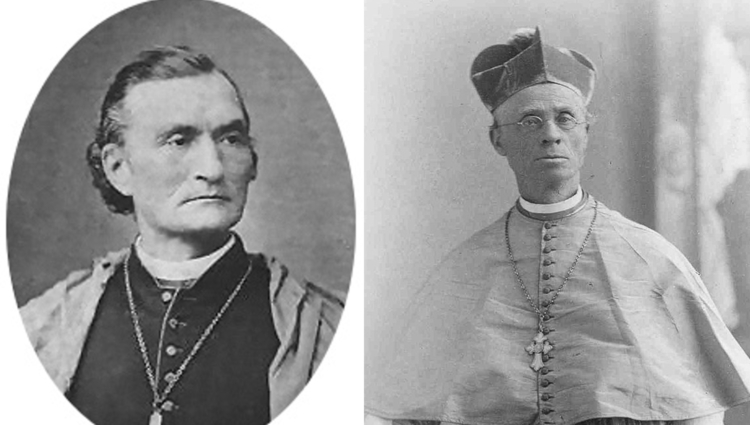
Pioneering priests such as Frs. Jean-Baptiste Lamy and Joseph Projectus Machebeuf are unsung heroes of Christendom, but deserve to be recognized. From Nebraska, from Arkansas, Central inland race are we, from Missouri, with the continental blood intervein’d, All the hands of comrades clasping, all the Southern, all the Northern, Pioneers! O pioneers! —Walt Whitman [...]

“Nefarious”: Screwtape Meets Hannibal Lecter

By |2024-11-13T16:51:55-06:00November 13th, 2024|Categories: Audio/Video, C.S. Lewis, Christianity, Film, Joseph Pearce, Senior Contributors, Timeless Essays|

Reading "The Screwtape Letters" can be a creepy and unsettling experience because C.S. Lewis does not merely take us into the head of the human who is experiencing temptation, but into the malevolent mind of the devil himself. This same psycho-dramatic technique is employed by the directors of the recently released horror film, "Nefarious," in [...]

The King’s Dilemma

By |2024-11-11T19:10:22-06:00November 11th, 2024|Categories: Anglicanism, Christianity, England, Joseph Pearce, Monarchy, Senior Contributors|

The recent publication of a private letter written by King Charles III in 1998, when he was Prince of Wales, is causing quite a stir. Written to a friend, Dudley Poplak, it expresses King Charles’ disdain for the imposition of scientism on agriculture, which is itself of interest, but also expresses his scorn for the [...]

The Unsung Shakespeare

By |2024-11-09T18:17:30-06:00November 9th, 2024|Categories: Catholicism, Joseph Pearce, Senior Contributors, Unsung Heroes of Christendom, William Shakespeare|

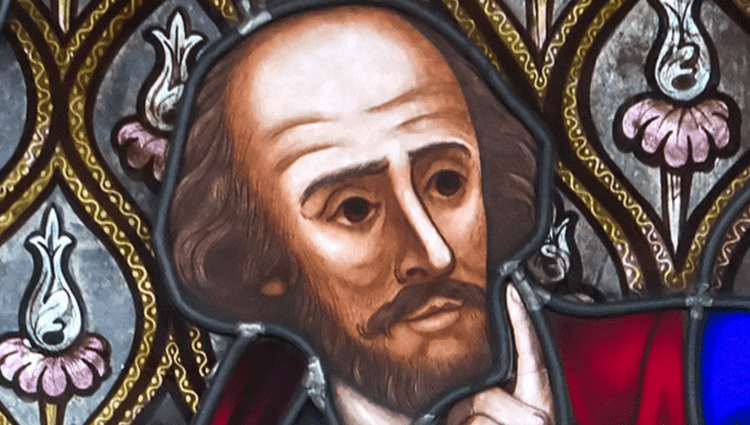
Why, one wonders, should one of the most famous people in history be featured as one of the unsung heroes of Christendom? This would seem to be a good question until we realize that most people do not perceive Shakespeare as a hero of Christendom. He is sung, to be sure. He is sung more widely [...]

Liturgy & Literature in Brideshead & Middle-Earth

By |2024-11-05T16:26:19-06:00November 5th, 2024|Categories: Catholicism, J.R.R. Tolkien, Joseph Pearce, Literature, Senior Contributors|

Much as Evelyn Waugh insisted that the theme of "Brideshead Revisited" was “the operation of divine grace”, J.R.R. Tolkien insisted in a letter to a friend that “'The Lord of the Rings' is, of course, a fundamentally religious and Catholic work.” In the fourth and final essay in this survey of liturgy and literature we [...]

Liturgy and Literature in the Modern Age

By |2024-10-28T17:46:01-05:00October 28th, 2024|Categories: Catholicism, Joseph Pearce, Literature, Poetry, Senior Contributors|

Having surveyed the liturgical presence in Medieval and Early Modern literature in my two previous essays, we’ll continue our survey with a review of some of the liturgical highlights in the literature of the modern age. A good place to begin would be the early years of the Catholic literary revival which could be said [...]

Go to Top