About Bradley J. Birzer

Bradley J. Birzer is the co-founder of, and Senior Contributor at, The Imaginative Conservative. He is the Russell Amos Kirk Chair in History at Hillsdale College and Fellow of the Ronald Reagan Presidential Library. Dr. Birzer is author of In Defense of Andrew Jackson, Russell Kirk: American Conservative, American Cicero: The Life of Charles Carroll, Sanctifying the World: The Augustinian Life and Mind of Christopher Dawson, J.R.R. Tolkien’s Sanctifying Myth: Understanding Middle-Earth, co-editor of The American Democrat and Other Political Writings by James Fenimore Cooper, and co-author of The American West.

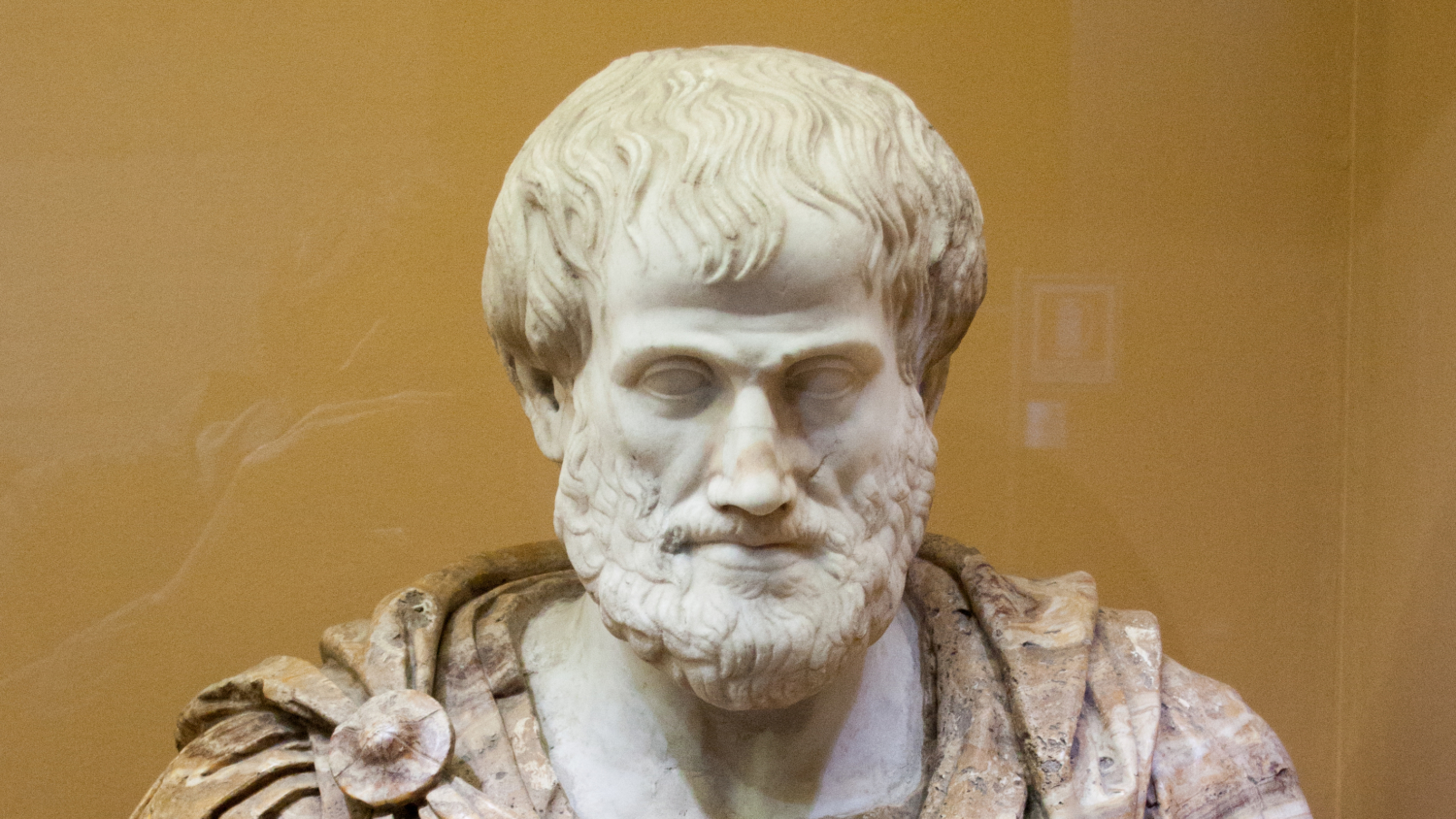
Stoicism and the Logos

By |2022-07-08T09:29:49-05:00October 20th, 2012|Categories: Bradley J. Birzer, Classical Education, Classical Learning, Stoicism|Tags: |

Stoicism did not serve as mere speculation for the Hellenistic Greeks; it revealed the path to a virtuous life. And the end and the beginning were always there Before the beginning and after the end. And all is always now. Words strain, Crack and sometimes break, under the burden, Under the tension, slip, slide, perish, [...]
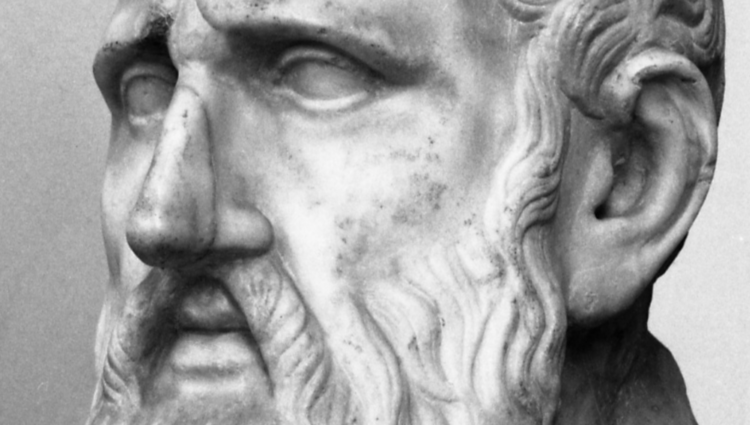
Virtue and the West

By |2014-01-08T20:20:57-06:00October 16th, 2012|Categories: Bradley J. Birzer, Christianity, Virtue, Western Civilization|

“And if anyone loves righteousness, her labors are the virtues,” the author of the Jewish Book of Wisdom assures us. “For she teaches self-control and prudence, justice and courage; nothing in life is more profitable for men than these.” Though the word has more significance today than it did a decade ago in the western [...]

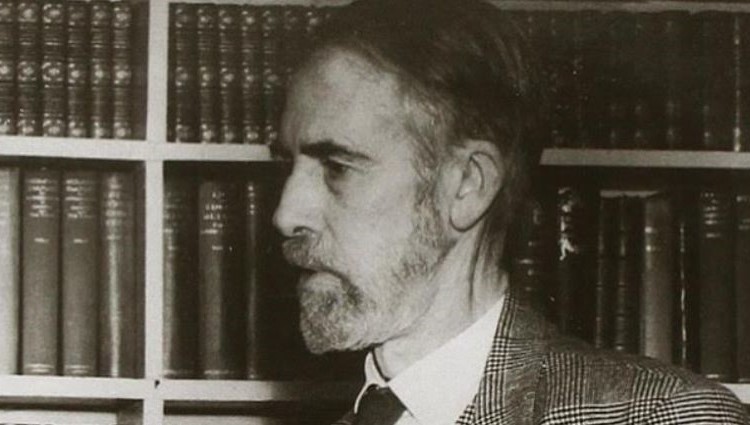
Christopher Dawson and the Humility of the Liberal Arts

By |2021-07-06T10:50:56-05:00October 10th, 2012|Categories: Bradley J. Birzer, Christendom, Christian Humanism, Christianity, Christopher Dawson, Featured, Liberal Learning|

One of the greatest Catholic intellects and writers of the twentieth century, Christopher Dawson (1889-1970), worried deeply about the ideological, political, and cultural crises of the western world during the entirety of his adult life. The root of the problem, Dawson had come to believe between the two world wars, was the fundamental decline in [...]

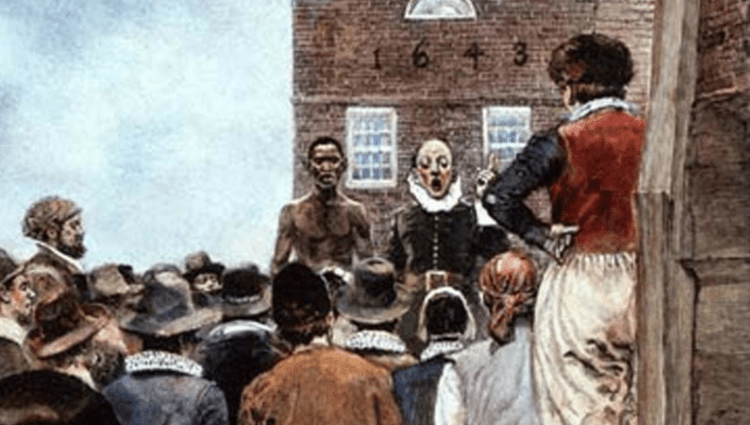
The American Founding & the Problem of Slavery

By |2021-01-30T12:00:49-06:00October 5th, 2012|Categories: American Founding, American Republic, Bradley J. Birzer|

While historians in the first half of the twentieth century often simply accepted that slavery was a part of the Founding, only relatively recently has the issue so divided scholars of the period that some have gone so far as to argue that the Founders meant to abolish slavery from the beginning. No Union with [...]

The Celtic Mind: How Adam Smith and Edmund Burke Saved Civilization

By |2016-01-16T12:56:30-06:00October 3rd, 2012|Categories: Adam Smith, Bradley J. Birzer, Conservatism, Edmund Burke, Featured|Tags: |

One contemplates the power, depth, and breadth of the finest 18th-century minds only with some trepidation and humility. Or at least, one should. The favorite study of the great men of that day, famed editor of The Nation E.L. Godkin explained in 1900, was the glorification of the person against political power. In “opposition to [...]

The Constitution is not Sacred

By |2013-12-09T17:53:22-06:00September 28th, 2012|Categories: American Republic, Bradley J. Birzer, Constitution, Constitutional Convention|

In one of the single most interesting moments during the constitutional convention of 1787, a discussion arose—really for the first time with any great seriousness—about the issue of slavery in the West. How the republic might expand would, of course, help define the republic itself. The admission of slaves was a most grating circumstance to [...]

Happiness: Aristotle and the American Founding

By |2022-02-22T17:58:47-06:00September 18th, 2012|Categories: American Founding, Aristotle, Bradley J. Birzer, Classics, Ethics, George Washington|Tags: |

  The Question: What has the Ethics to do with the Declaration? As the subtitle indicates, we are to examine whether or not Aristotle spoke to the founding generation. Sadly, I must be rather blunt: Aristotle had almost no direct influence on the Founding or the founding generation. And, when he did speak to them, [...]

Russell Kirk and the Anamnesis of the West

By |2019-09-05T10:42:10-05:00September 10th, 2012|Categories: Bradley J. Birzer, Christendom, Roots of American Order, Russell Kirk|

Western culture itself has served as an anamnesis, an event that brings us back to right reason and reminds us of the sovereignty of the Transcendent. With the ideological assault in full force in the twentieth century, and the blood of the killing fields spreading darkly across the once varied landscapes, Kirk argued that only [...]

Restoring The American Republic: Time to Reform & Purify

By |2014-01-06T08:32:47-06:00September 5th, 2012|Categories: Bradley J. Birzer, Politics|

  As we continue to approach the November elections, political ideas (mostly incoherent and ephemeral) whiz by us at speeds beyond comprehension. The internet has helped encourage this speeding up process, but it has also allowed many of us to find some breathing space, a haven of sorts in which we can digest the ideas, [...]

Shining the Light into Darkness: The Final 3 Tracks of Big Big Train’s English Electric Part One

By |2014-01-12T14:59:15-06:00September 2nd, 2012|Categories: Progressive Rock, Western Civilization|Tags: , , , |

Well, Imaginative Conservative readers, I must admit, this post makes me sad. I have been thrilled to promote the work of Greg Spawton, David Longdon, Dave Gregory, Andy Poole, Nick D’Virgilio, and the entire Big Big Train team (Rob Aubrey, Kathy Blanchard, Jim Trainer, Sandra Olma, and others). Not only have they been utterly professional in [...]

The Wisdom of John Taylor of Caroline

By |2019-04-23T15:41:40-05:00August 31st, 2012|Categories: Bradley J. Birzer, Constitution, John Randolph of Roanoke, John Taylor of Caroline, Mike Church, Old Republic|

John Taylor of Caroline During a recent meeting of the Academy of Philosophy and Letters in Baltimore this summer, radio personality and [r]epublican man of virtue, Mike Church, called for a revival and remembrance of the thought of John Taylor of Caroline. Perhaps, Church persuasively argued, we might very well find some answers and solutions [...]

Big Big Train: England is Now

By |2016-02-12T15:28:37-06:00August 30th, 2012|Categories: Christianity, G.K. Chesterton, Music, Progressive Rock, T.S. Eliot, Western Civilization|Tags: , , , |

In the last of his Four Quartets, “Little Gidding”—arguably the finest work of art to emerge in the twentieth century—the Anglo-American poet, T.S. Eliot, offered the following: A people without history Is not redeemed from time, for history is a pattern Of timeless moments. So, while the light fails On a winter’s afternoon, in a [...]

Uprooted Gods

By |2013-12-30T14:54:40-06:00August 28th, 2012|Categories: Bradley J. Birzer, Literature|

The Shield of Aeneas “When people began to multiply on the face of the ground, and daughters were born to them, the sons of God saw that they were fair; and they took wives for themselves of all that they chose. Then the Lord said, ‘My spirit shall not abide in mortals forever, [...]

Go to Top