About K. V. Turley

K.V. Turley writes from London.

“Napoleon”: The Rediscovery of a Cinematic Masterpiece

By |2025-02-20T16:46:21-06:00February 20th, 2025|Categories: Audio/Video, Culture, Film, History, Timeless Essays|

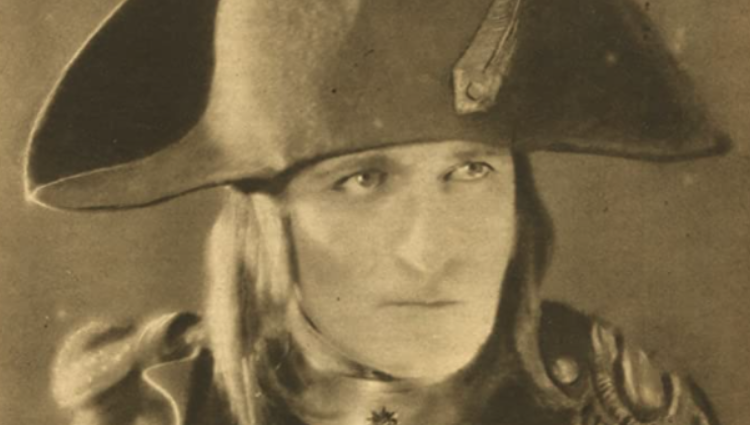
There remain few attempts in the world of cinema so daring as French director Abel Gance’s magnificent silent film “Napoleon.” Nearly a century after its stillbirth on the screens of the late 1920s, it appears to have at last found its audience on the wide-screens of another millennium. It was, and it remains, a unique experience [...]
“Triumph of the Will”: The Culture of Death on Screen

By |2020-09-03T00:11:08-05:00September 3rd, 2020|Categories: Culture, Death, Europe, Film, History, War, World War II|

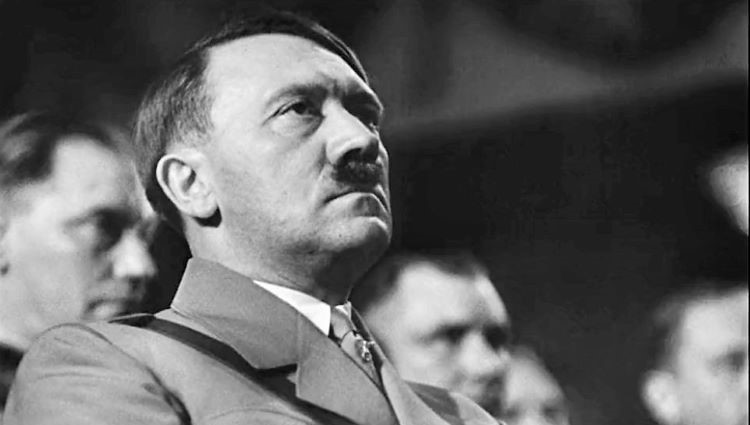
Commissioned by Adolf Hitler, “Triumph of the Will” is a terrifying film. It is as if, for a moment, something infernal took control of the camera and caused the audience to be entranced, as it projected a lie into Germany’s consciousness, and then beyond to an unwilling world. As a consequence, 85 million people were [...]

“The Act of Killing”: Unquiet Graves and Troubled Consciences

By |2020-01-24T15:16:28-06:00January 30th, 2020|Categories: Communism, Culture, Fascism, Film, History, Politics, StAR|

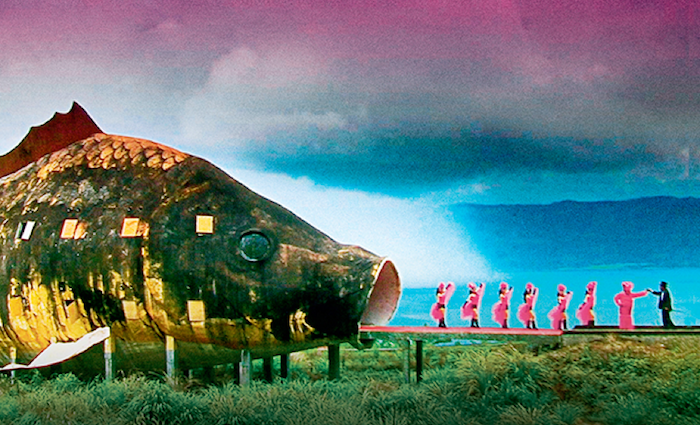
A few years back, a film, The Act of Killing (2012), ran at a London cinema for 52 weeks. Such a run is unusual for any film: even more so for a documentary feature about Indonesia. The film’s subject matter revolves around one man, Anwar Congo, who is convivial, charming even, and with real screen [...]

Curses and Magic in the “Night of the Demon”

By |2021-04-22T17:44:44-05:00October 30th, 2019|Categories: C.S. Lewis, Christian Humanism, Culture, Fiction, Film, Literature|

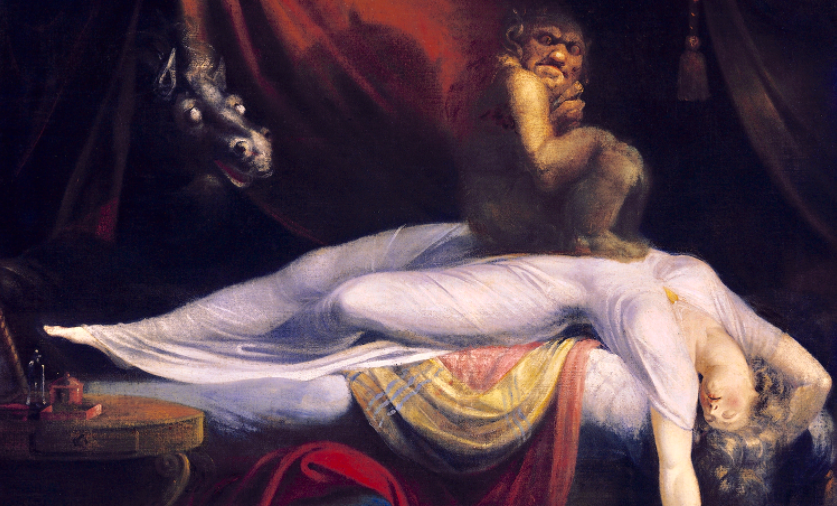
Like the best horror tales, the “Night of the Demon” came back from the “dead.” This was as a result of a late-night slot for cult movies on British television in the late 1980s. Continuing to this day, the film has attracted ever-increasing praise from critics and found an ever-more appreciative audience. It seems the [...]

“Stalker”: The Search for Faith Amidst Desolation

By |2023-08-17T18:59:20-05:00February 28th, 2019|Categories: Christianity, Culture, Film, Russia, St. John Paul II, StAR|

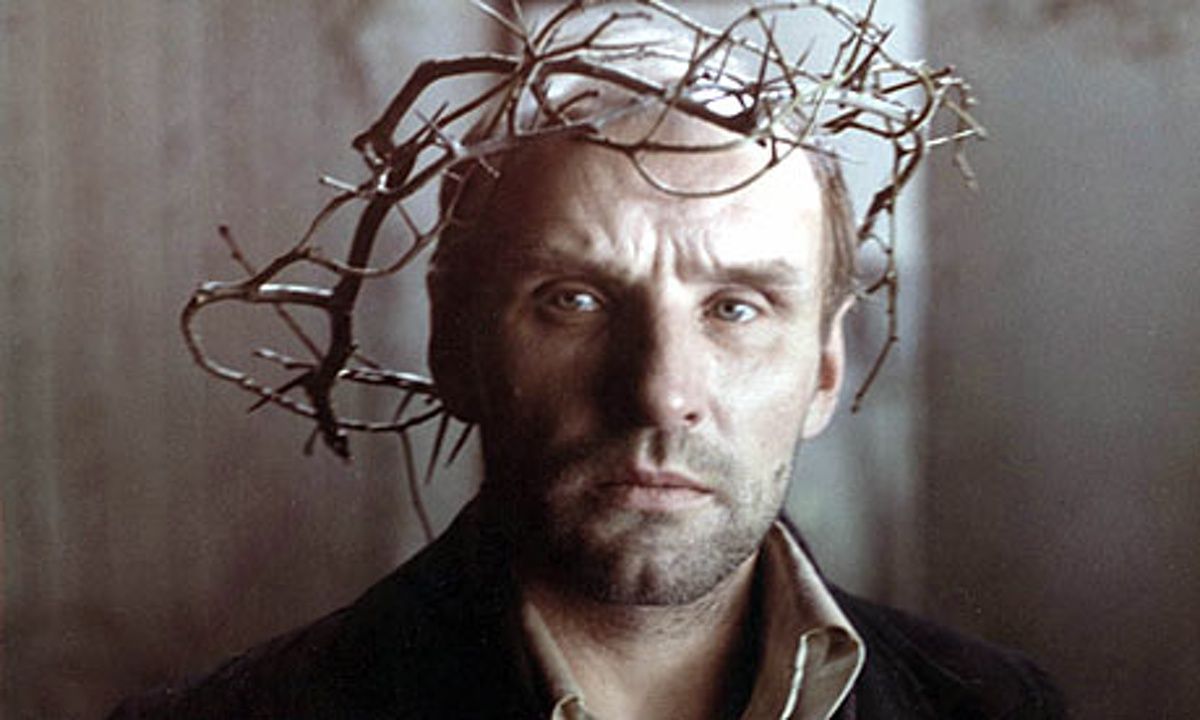
Andrei Tarkovsky’s film Stalker is about a man who leads others, however obliquely, and despite obstacles, both external and internal, to faith. Faith is faith. Without it, man is deprived of any spiritual roots. He is like a blind man. Just more than thirty years ago, on 26 April 1986, a nuclear disaster occurred at the Chernobyl Nuclear [...]

Did John Paul II Change the Course of Irish History?

By |2021-03-16T00:59:59-05:00January 26th, 2019|Categories: Catholicism, Film, Government, Ireland, Politics, St. John Paul II, StAR, War|

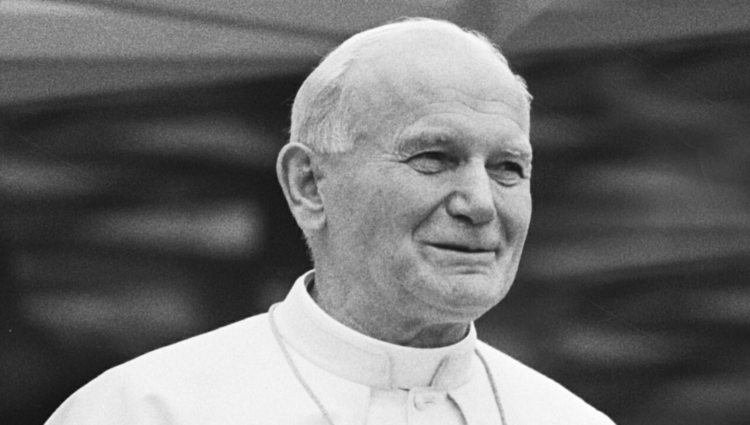
Did the speech made by Pope John Paul II at Drogheda during his visit to Ireland in 1979 change the course of Irish history? This is the contention of a new documentary John Paul II in Ireland: A Plea for Peace, written and directed by David Naglieri. The originality of the film’s premise lies in [...]

“Dirty Harry”: The Rage of the Anti-Hero

By |2021-11-21T09:15:51-06:00January 4th, 2019|Categories: Conservatism, Culture, Film, StAR, Television|

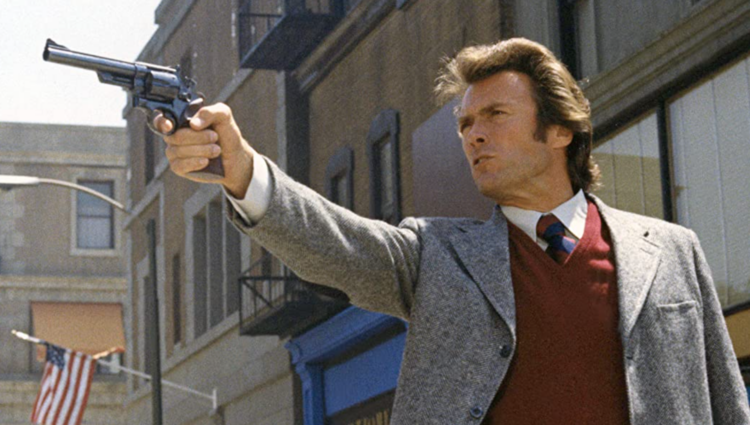
Clint Eastwood has perhaps always been more libertarian than conservative, his character Harry Callaghan more anti-hero than hero. Still, for a brief moment in 1971, when cinema seemed to be dominated by the Left, Mr. Eastwood and his collaborators in “Dirty Harry” reminded Hollywood of a different viewpoint and another audience. In December 1971, Dirty [...]

The Long Shadows Cast by “Nightmare Alley”

By |2018-11-30T18:08:22-06:00November 23rd, 2018|Categories: Books, Culture, Film, Tragedy, World War II|

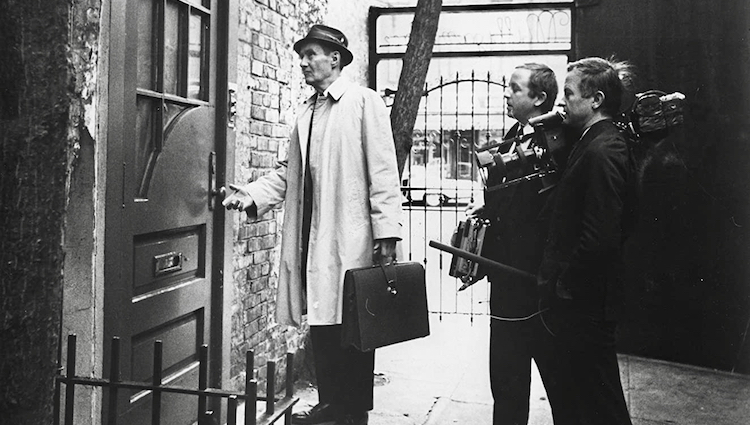
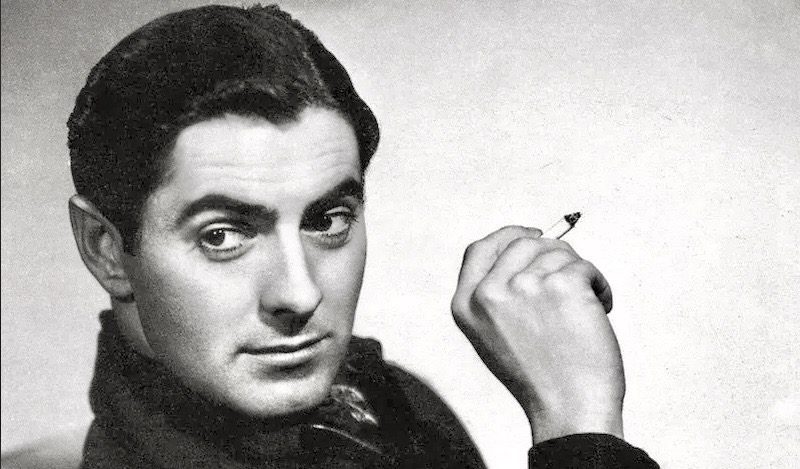
Just as the Second World War ended, the 1946 novel Nightmare Alley by William Lindsay Gresham became a bestseller. Perhaps more than any other, the noir genre fitted the mood of Post–war America. It was a nation that had not yet emerged blinking into the Technicolor 1950s of Eisenhower and later prosperity. It was an [...]

Alfred Hitchcock’s “The 39 Steps”: A Coded Message?

By |2023-08-12T18:12:16-05:00October 4th, 2018|Categories: Film, History, Mystery, StAR, World War II|

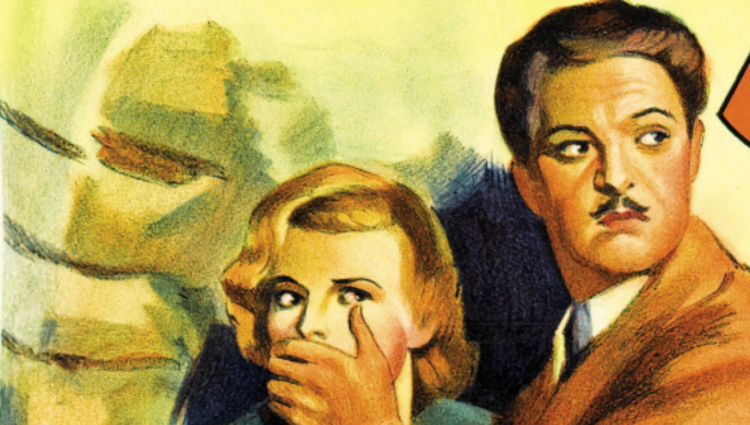
The 39 Steps is one of five films that Alfred Hitchcock made in England about espionage in the mid-to-late 1930s. These films capture the growing threat felt in Britain from foreign powers. In their scenarios the nation's security was nowhere more threatened than by spies hiding in plain sight... The Thirty-Nine Steps. A novel. Then a film: The 39 Steps. In the end, that [...]

Mel Gibson, “Hacksaw Ridge,” & the Real Hollywood Counter-Culture

By |2019-09-28T09:50:01-05:00August 30th, 2018|Categories: Catholicism, Christianity, Culture, Film, StAR|

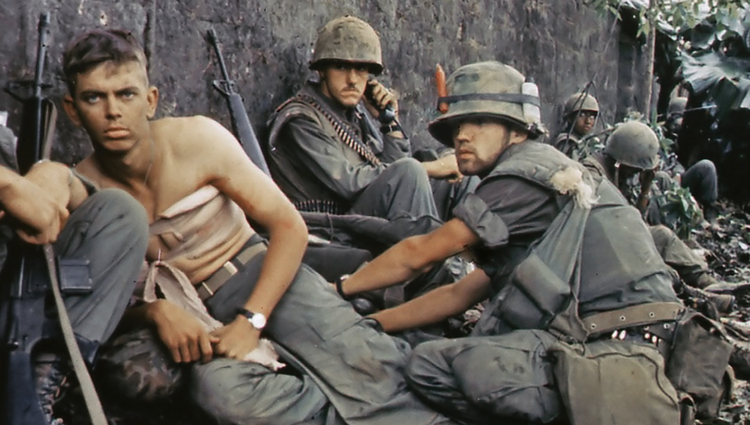
In Hacksaw Ridge, Mel Gibson continues to present an alternative world-view to filmgoers. It is one at odds with almost all that emanates from Hollywood, but, nevertheless, is one that finds a welcome reception in the real world, where family and marriage, patriotism and courage, faith and self-sacrifice still form part of the daily lives [...]

The Wages of Sin: Jean-Pierre Melville’s Doomed Universe

By |2019-09-28T09:50:03-05:00July 25th, 2018|Categories: Death, Film, StAR|

In Jean-Pierre Melville’s Le Doulos, it is as if there is an existential darkness present throughout. In this world, no matter how cunning the schemes or how fail-safe the get-away plans are, for all concerned there is a retribution coming. In Melville’s cinematic universe the wages of sin are always death… Recently, at London’s British Film Institute, [...]

“Grizzly Man”: Longing for Eden

By |2019-09-28T09:50:05-05:00June 28th, 2018|Categories: Civil Society, Culture, Film, Joseph Pearce, StAR|

The human and animal worlds are distinct, and relations between them are as much affected by Original Sin as all else in the universe. No amount of wishful thinking, no matter how well-intentioned or deluded, is going to change this… In the last decades there has been a romanticization of nature and man’s place within [...]

Go to Top