Harry Jaffa and the Demise of the Old Republic

By |2024-09-26T14:29:39-05:00September 26th, 2024|Categories: American Republic, Conservatism, Constitution, Declaration of Independence, Edmund Burke, Featured, Foreign Affairs, History, Political Philosophy, Politics, Timeless Essays, Tradition|

Harry Jaffa’s constitutional history of America’s late-eighteenth-century is not credible nor, in keeping with many of his own pronouncements, is it conservative. The writing of history, as we have learned from authors as diverse as Thucydides, Voltaire, Nietzsche, Butterfield, Collingwood, and Oakeshott can and has been done in strikingly different ways while serving radically different [...]

The American and French Revolutions Compared

By |2024-08-26T17:17:01-05:00August 26th, 2024|Categories: Alexander Hamilton, American Founding, Declaration of Independence, Federalist Papers, History, Revolution, Timeless Essays|

Americans turned to the concrete lessons of history and experience to guide them in securing their liberty. The French, on the other hand, deified Reason above not only experience, but also above religion and divine revelation. One of the many differences between the American and French Revolutions is that, unlike the French, Americans did not [...]

How to Read the Declaration of Independence

By |2026-07-02T09:38:40-05:00July 7th, 2024|Categories: American Founding, American Republic, Constitution, Declaration of Independence, Featured, M. E. Bradford, Timeless Essays, Willmoore Kendall|Tags: |

The Declaration of Independence creates no authority at law. It does not mandate any legislation or policy. It alters the status of no man or woman—except as it preserves to them a portion of their heritage under the now broken British constitution. It is not a prologue to the United States Constitution. For that instrument [...]

Thirteen Clocks Striking Together: The Forging of American Independence

By |2024-07-03T21:40:40-05:00July 3rd, 2024|Categories: American Founding, American Republic, Books, Declaration of Independence, Featured, History, Independence Day, Literature, Thomas Jefferson, Timeless Essays|

In “Our Lives, Our Fortunes and Our Sacred Honor,” Richard R. Beeman tells a compelling narrative of the crucial years between the first meeting of the Continental Congress and the announcement of the Declaration of Independence on July 4, 1776. He gives concrete examples of the novel ways in which the lines of political and legal [...]

Four Things Every American Should Know About Independence Day

By |2024-07-03T21:45:28-05:00July 3rd, 2024|Categories: American Founding, American Republic, Declaration of Independence, History, Independence Day, John Adams, Thomas Jefferson, Timeless Essays|

The need for understanding our roots is as timeless as the human story itself and explains why we cling to the Declaration of Independence. Most people know that the Fourth of July—Independence Day—is a celebration of America’s separation from Great Britain. July 4, 1776 marks the beginning of the United States. It’s like our national birthday. [...]

Declarations, Compacts, & the American Constitutional Tradition

By |2023-11-20T23:20:12-06:00November 20th, 2023|Categories: Bruce Frohnen, Constitution, Declaration of Independence, Featured, Mayflower Compact, Politics, Timeless Essays|

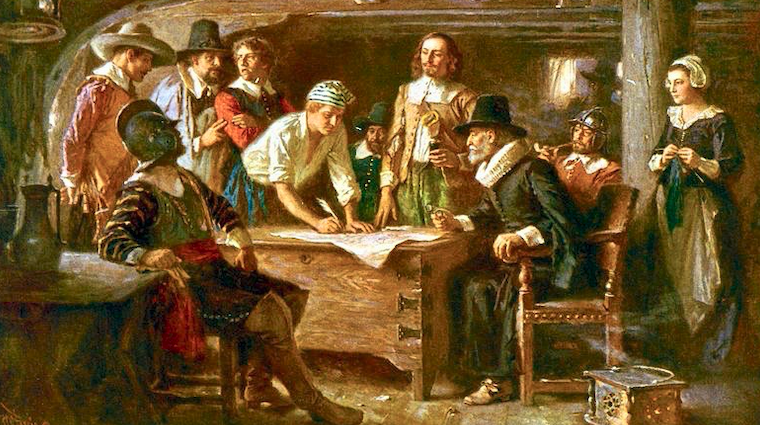
The American constitutional tradition stretches back beyond our shores to England. It is a tradition shaped on this continent by experience and the character of the people. In this vision, local communities play the primary role in government, protecting the fundamental institutions in which good character is formed. We hold these truths to be self-evident, [...]

The Last of the Romans: Charles Carroll of Carrollton

By |2023-09-19T17:14:46-05:00September 18th, 2023|Categories: American Founding, Bradley J. Birzer, Charles Carroll, Declaration of Independence, Featured, Timeless Essays|

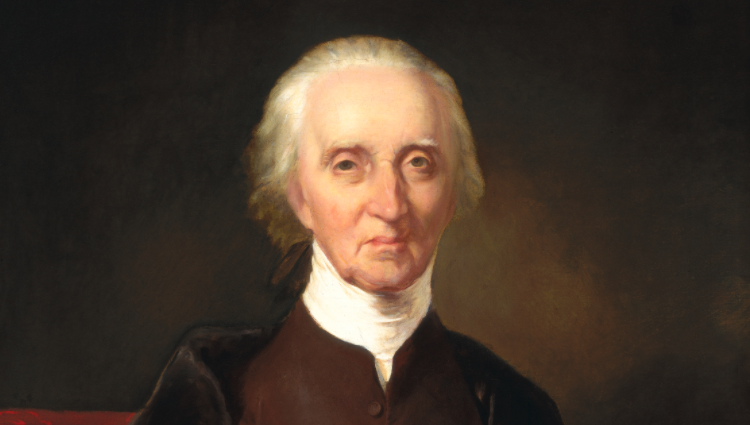
The last living signer of the Declaration of Independence, Charles Carroll assumed the role of republican and conservative revolutionary, representing in his old age the end of a period in history. The last of the American signers of the Declaration of Independence to pass from this world, Charles Carroll of Carroll was also one of [...]

Six Biblical Principles Embodied in the Declaration of Independence

By |2023-10-08T19:27:00-05:00July 5th, 2023|Categories: Bible, Christianity, Declaration of Independence|

The values and principles reflected in the U.S. Declaration of Independence resonate with the biblical ideas of innate human dignity, natural human rights, government by consent, self-governance, seeking redress, and a revolutionary spirit. Consider six biblical principles embodied in the United States of America Declaration of Independence. 1. Innate Human Dignity. From the beginning, the Bible [...]

Martin Luther King & the Rule of Law

By |2023-01-16T09:38:34-06:00January 15th, 2023|Categories: Constitution, Declaration of Independence, Featured, John Creech, Martin Luther King Jr., Natural Law, Rule of Law, Timeless Essays|

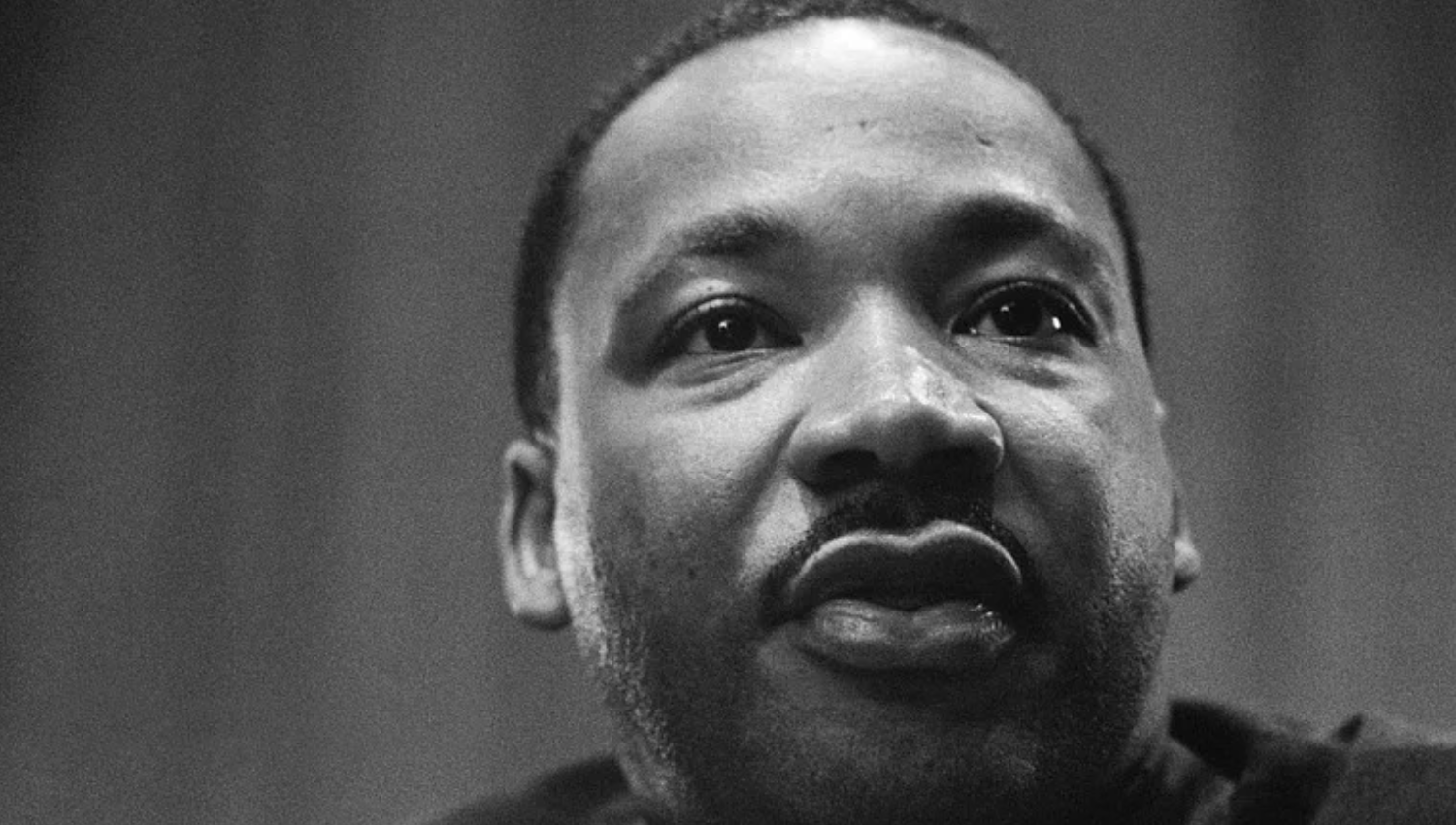
In acknowledgement of Martin Luther King Jr. Day, I wish to raise the question, based on Dr. King’s “Letter from Birmingham Jail,” as to when, if ever, as well as to what extent, it is appropriate to defy the rule of law. On The Imaginative Conservative Winston Elliott raised the question “When is a Change [...]

Why American Democracy Is Worth Defending

By |2022-08-22T13:25:35-05:00August 22nd, 2022|Categories: American Republic, Declaration of Independence, Democracy, Government, Liberty, Politics, Timeless Essays|

What is American democracy, and why is it worth defending? The current political climate, in which democracy is increasingly (and troublingly) equated with populism, compels us to reflect on this question. Democracy is an ancient form of government, but historically, democracies that rise above mere mob rule and reflect genuine self-governance, while respecting basic rights, [...]

A Healthy Respect for Limits: Recovering the American Founding

By |2023-07-03T16:24:32-05:00July 7th, 2022|Categories: American Founding, American Republic, Declaration of Independence, Independence Day, Mark Malvasi, Timeless Essays|

The Founding Fathers and their heirs wanted to establish and maintain a prosperous republic, yet they welcomed limitations on prosperity as much as they had welcomed restraints on power. This healthy respect for limits offers a way to recover the political and moral realism that contemporary Americans have lost. Somewhere I recall reading the poet [...]

Recovering the Declaration of Independence

By |2026-07-02T12:09:38-05:00July 3rd, 2022|Categories: American Founding, American Republic, Declaration of Independence, Featured, Lee Cheek, Sean Busick, Timeless Essays|

We should rightly celebrate the Declaration of Independence as a beginning of our political principles, not the final word. Often abused by politicians and scholars of every ilk, the grand document remains a fundamental American defense of diffused power that our leaders in Washington and the professorate cannot ignore. As Americans prepare to celebrate July [...]

Independence of Community and Republic

By |2022-04-12T16:49:52-05:00April 12th, 2022|Categories: American Republic, American Revolution, Bradley J. Birzer, Declaration of Independence, Senior Contributors|

For many in the American colonies, it was an open question: Should you favor independence, are you also willing to surrender your lives, your honor, and your sacred fortunes? One of my greatest duties at Hillsdale College is teaching an upper-level course entitled Founding of the American Republic. My colleague, David Raney, and I share [...]

Property and the American Founding

By |2022-03-14T16:08:44-05:00March 14th, 2022|Categories: American Founding, Bradley J. Birzer, Declaration of Independence, Senior Contributors|

Why exactly did Thomas Jefferson and Congress change John Locke’s famous declaration in favor of life, liberty, and property, to life, liberty, and the pursuit of happiness? Some, wrongly, have believed this to be a Jeffersonian attack on the notion of property. But, as Forrest and Ellen McDonald assure us in their own profound writings [...]

Go to Top