About M.E. Bradford

Melvin E. "Mel" Bradford (1934–1993) was a conservative political commentator and Professor of Literature at the University of Dallas. He was the author of A Better Guide than Reason: Federalists and Anti-Federalists, Original Intentions: On the Making and Ratification of the Constitution, Founding Fathers: Brief Life of the Framers of the Constitution, and The Reactionary Imperative: Essays Literary & Political.

The Baleful Comet of Boston: Samuel Adams & the Puritan Republic

By |2025-09-26T13:46:05-05:00September 26th, 2025|Categories: American Founding, American Republic, American Revolution, M. E. Bradford, Samuel Adams, Timeless Essays|Tags: |

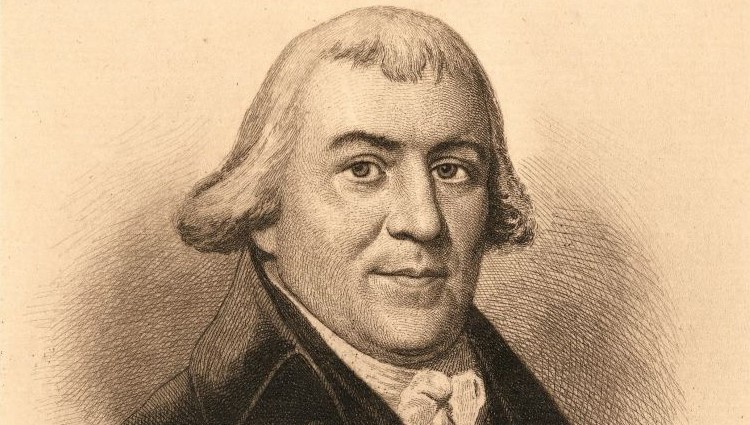
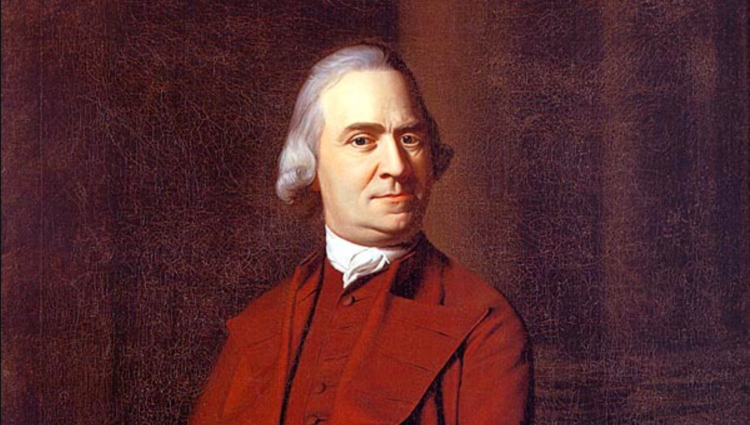
Samuel Adams believed that men are ruled more by fear or other emotions than by reason. And Sam Adams knew how to generate anger and fear. Thus he kept up the flow of propaganda that followed from the town's versions of what had happened in the Boston Massacre. Samuel Adams (September 27, 1722-October 2, 1803), [...]
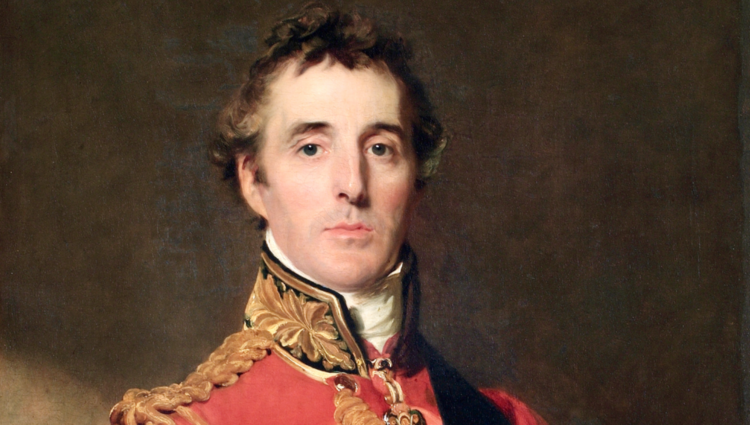
The Last Great Englishman: Arthur Wellesley

By |2024-10-24T17:51:18-05:00October 24th, 2024|Categories: Books, Europe, Featured, History, M. E. Bradford, The Imaginative Conservative, Timeless Essays, War|

The Duke of Wellington was an exemplar of an older England—an England bound by blood, not interest. He affirmed the very English equality of manhood, which comes with honorable service in the line, the rule that he who is with the king on St. Crispin’s Day shall be by him called “brother.” The Great Duke, [...]

How to Read the Declaration of Independence

By |2024-07-07T16:00:22-05:00July 7th, 2024|Categories: American Founding, American Republic, Constitution, Declaration of Independence, Featured, M. E. Bradford, Timeless Essays, Willmoore Kendall|Tags: |

Our collective confusion about the American experience begins at the beginning. Most Americans who think about such questions imagine that they understand the Declaration of Independence, though many of them may be puzzled that it did not (and does not) produce the results one might expect from the commitments which they believe it makes. After [...]

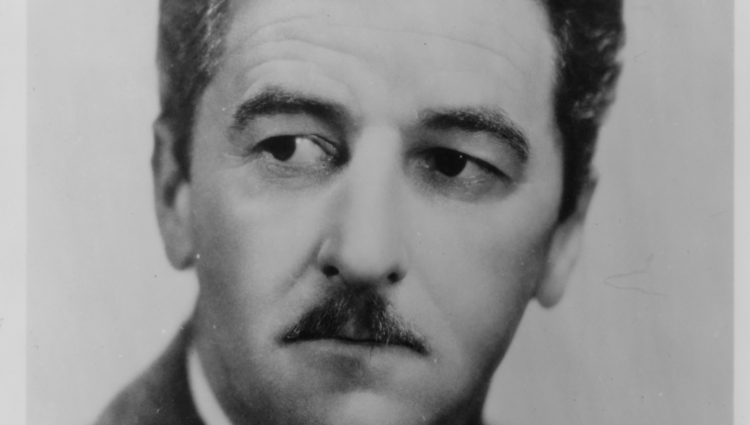
William Faulkner’s Last Words & the American Dilemma

By |2023-09-24T14:40:44-05:00September 24th, 2023|Categories: Equality, Liberty, M. E. Bradford, Rhetoric, Timeless Essays|

The lesson of William Faulkner’s “Gold Medal” speech is both in the teaching it offers and in the method we must employ to grasp that meaning. It is a work of politi­cal imagination, drawing its rhetoric from the same fountainhead as poetry. The Summer of 1971, we Americans were removed by only half a decade from [...]

The Absurdity of Modern American Theater: A Call for Rebirth

By |2023-06-01T16:33:47-05:00June 1st, 2023|Categories: Culture, Featured, Great Books, M. E. Bradford, The Imaginative Conservative, Theater, Timeless Essays|

The theater of modern America loves to shock but has overdone the trick so often that our nerves are jaded and immune to further outrage. The New York stage must be allowed to dry up and blow away, creating space for a rebirth. To act out, in concert, before an audience, an interpretation of how [...]

The Americanization of James Iredell

By |2021-04-23T14:42:35-05:00August 3rd, 2018|Categories: American Founding, American Republic, Constitution, M. E. Bradford, Politics|

James Iredell’s careful apologia for the American cause—a teaching which he developed in a series of essays and public letters written from 1773-1778—clearly contains a foreshadowing of what he thought should be in a constitution for the United States. James Iredell was born at Lewes, Sussex County, England. He was the eldest of the five [...]

The Agrarianism of Richard Weaver: Beginnings & Completions

By |2019-06-17T15:43:45-05:00December 9th, 2017|Categories: Civil Society, Community, Conservatism, Featured, History, M. E. Bradford, Richard Weaver, Southern Agrarians, The Imaginative Conservative|

Richard Weaver claimed his homeland was the “last nonmaterialistic civilization in the western world.” Modernity to him meant at bottom institutionalizing most of the Seven Deadly Sins… Though his worth and stature were early established among them, while yet living Richard M. Weaver was something of a puzzle for his friends within the American “conservative [...]

A Fire Bell in the Night: The Southern Conservative View

By |2021-04-22T19:16:10-05:00October 11th, 2017|Categories: American Founding, Freedom, M. E. Bradford, Rights, South, The Imaginative Conservative, Thomas Jefferson|

At this time, as perhaps never before, we Americans are as a people well on our way to being forced into belated recognition of the truth behind Mr. Jefferson’s alarm at the Compromise of 1820, our first attempt in employing the engines of national power to regulate and reform our domestic economic and social relations [...]

At the Center of the Storm: John Sullivan of New Hampshire

By |2020-06-15T14:17:19-05:00September 25th, 2017|Categories: American Founding, M. E. Bradford, Military, Revolution, The Imaginative Conservative|

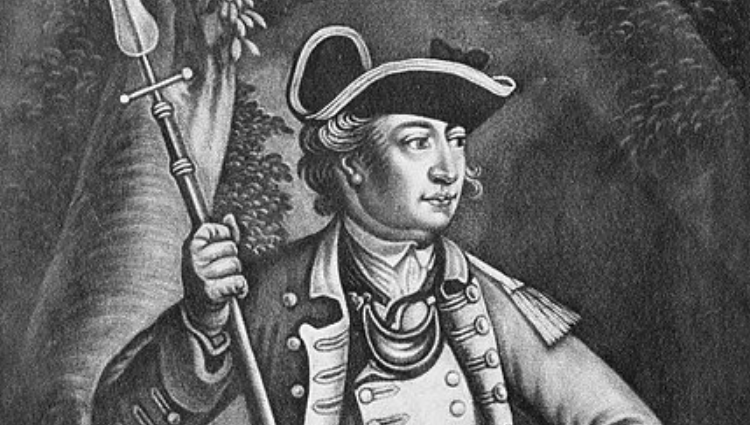
Controversy surrounds the story of John Sullivan’s life. Yet he is among the representative Americans of his time—gen­erous to a fault, jealous of his personal honor, optimistic, gregarious, ambitious, and “larger than life.” John Sullivan (1740-1795), lawyer, entrepreneur, soldier, and political leader of New Hampshire during and after the American Revolution. Both a commercial and [...]

More Freedom Than We Want: The Literature of the American West

By |2021-03-01T12:59:13-06:00June 9th, 2017|Categories: Agrarianism, Literature, M. E. Bradford, South|

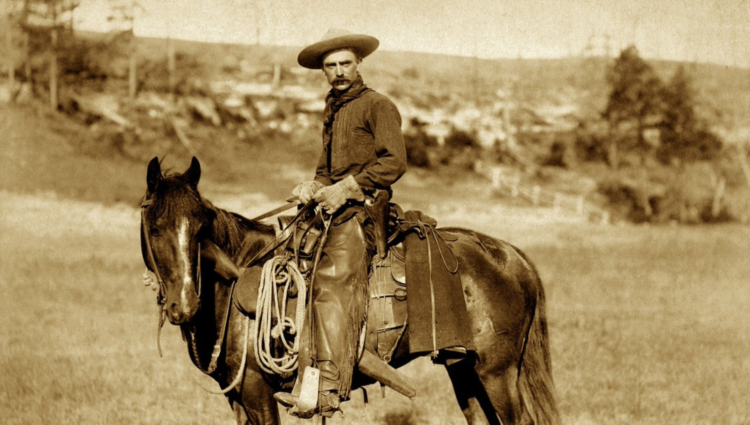
The literature of the American West embodies a clear perception of the frailty of corporate freedom and of the importance of men who have learned on their own to face down the barbarian, even though no one backs their play. There are two important corporate myths that shaped the life of eighteenth and nineteenth century America. [...]

Dividing the House: The Gnosticism of Abraham Lincoln

By |2020-08-19T23:48:57-05:00July 14th, 2016|Categories: Abraham Lincoln, M. E. Bradford, The Imaginative Conservative|

What are the final implications of the political example of Abraham Lincoln? And what the enduring consequences of his sanctification as our only Father and preceptor in times of national crisis? The “House Divided Speech” is the wa­tershed of Abraham Lincoln’s political career.[56] In this address, given to the Republican state conven­tion that nominated their tall [...]

The Language of Lincoln

By |2020-10-26T00:11:04-05:00July 7th, 2016|Categories: Abraham Lincoln, Language, M. E. Bradford, The Imaginative Conservative|

As a promising young centralist, Abraham Lincoln played the role of champion for what Professor Michael Oakeshott has called the “enterprise associa­tion” theory of the state.[21] While serving as the elected representative of Sangamon (1834—1842), he first made a name for himself by enacting this part. Joining with other soon-to­-be forefathers of the Republican Party, [...]

The Myth of Abraham Lincoln

By |2020-10-26T00:16:43-05:00June 30th, 2016|Categories: Abraham Lincoln, M. E. Bradford|

After over one hundred years, it continues to be almost impossible for us to ask certain basic questions about the role of Abraham Lincoln in the formation of a characteristically American politics. At every appropriate point of inquiry, the Lincoln myth obtrudes. Since 1865 no one has denied the extraordinary purchase of that imaginative construct upon the idiom and [...]

On Remembering Who We Are: A Political Credo

By |2020-05-08T15:30:29-05:00May 7th, 2016|Categories: American Founding, American Republic, Constitution, Equality, Featured, Freedom, M. E. Bradford|

We should learn from the political credo of the Venetians, who never forgot the history that had made them a special nation. To be a patriot is to embody our connection to the national bond through devotion to a "practice." It is good to be enthralled by dogmas of the quiet past, remembering who and [...]

Go to Top