About Miles Smith

Miles Smith IV is a visiting assistant professor at Hillsdale College and a historian of the Old South and Atlantic World. He took his BA from the College of Charleston and holds a PhD in History from Texas Christian University. He is a native of Salisbury, North Carolina.

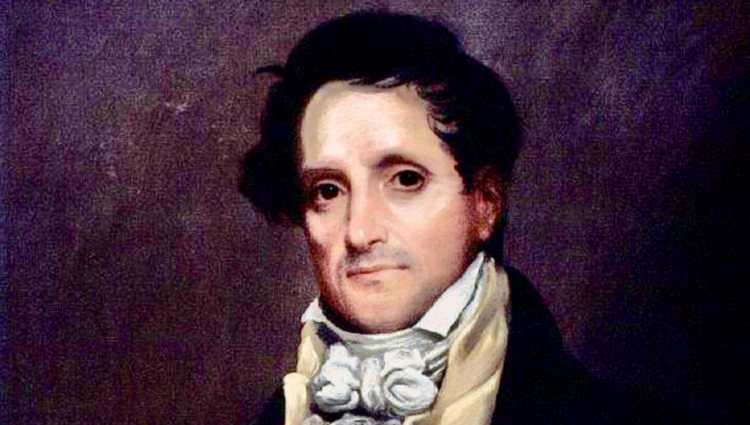
The Conversion of John Randolph

By |2024-05-25T23:30:53-05:00May 23rd, 2024|Categories: Christianity, History, John Randolph of Roanoke, Timeless Essays|

Few who knew John Randolph in his youth ever imagined him embracing the tenets of the Gospel or admitting the reality of Original Sin. He was raised in an orthodox Christian home. He lived in a conservative place, around people who identified as traditionalists. But as Christianity waned in his day, he embraced new vogues. [...]

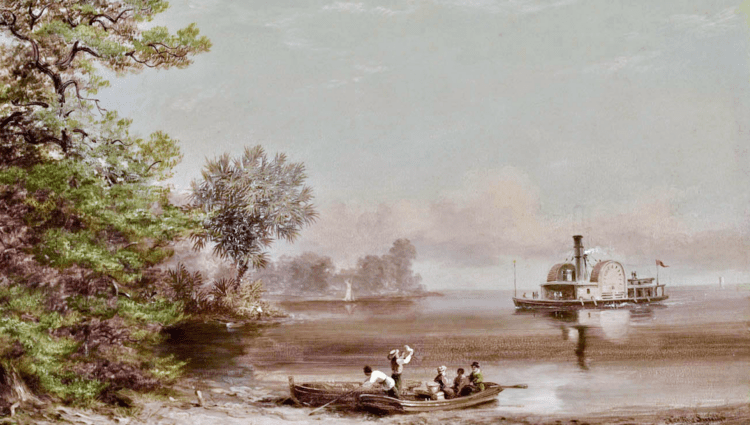
Hail Columbia, Happy Land: An Evangelical Southerner in 19th-Century Europe

By |2022-07-24T15:39:42-05:00July 24th, 2022|Categories: Catholicism, Christendom, Europe, History, Timeless Essays|

Methodist minister Joseph Cross, a South Carolina native, traveled in Europe in the late 1850s, emerging as a nationalist committed to democracy, material progress, and enthusiastic Evangelical Protestantism. With the publication of I’ll Take My Stand in 1930 the southern conservative intellectual tradition definitively entered into consciousness of the American academy and the American literati. [...]

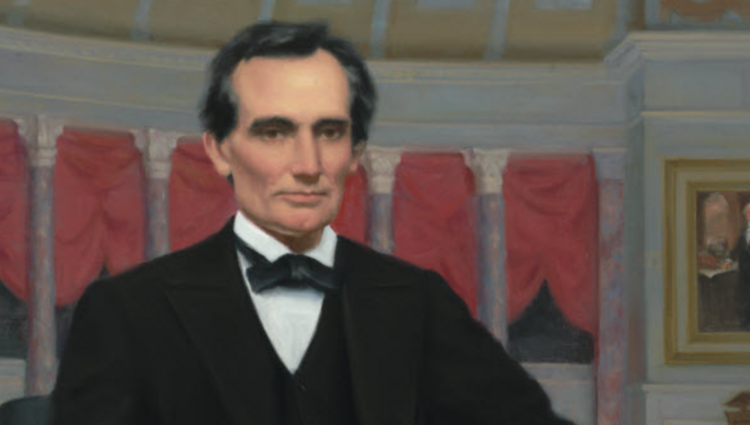
Abraham Lincoln: A Western Legacy

By |2021-03-31T15:06:30-05:00March 31st, 2021|Categories: Abraham Lincoln, American West, Books|

Throughout his political career, Abraham Lincoln connected the maintenance of freedom with the preservation of the free West. If the American West fell, so would American liberty. Richard W. Etulain’s “Abraham Lincoln: A Western Legacy” seeks to show more explicitly Lincoln’s relationship with the West. Abraham Lincoln: A Western Legacy by Richard W. Etulain (198 [...]

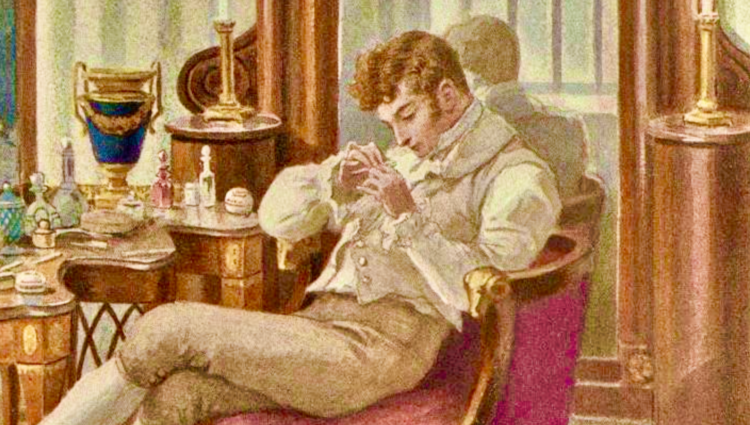
A Reflection on the Resurrection of the Superfluous Man

By |2022-07-20T14:09:38-05:00December 6th, 2019|Categories: Character, Fiction, Fyodor Dostoevsky, Imagination, Literature, Russia|

Russia’s nineteenth-century literary luminaries all found themselves wrestling with a particularly Romantic archetype: the Superfluous Man. Bored, confused, dissolute, yet noble and aristocratic, the Superfluous Man experiences tragedy in his reckless pursuit of passion. And I can’t help but wonder whether there is any hope for these characters—both the Russians in the novels, and the [...]

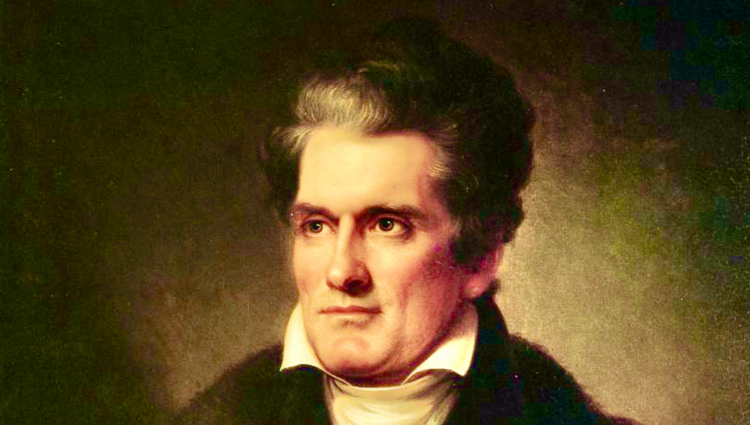
Misunderstanding John C. Calhoun’s Federalism

By |2021-12-30T01:21:05-06:00February 15th, 2017|Categories: Constitution, Electoral College, Featured, Federalism, History, John C. Calhoun|

Far from feeding disunion, John C. Calhoun understood that a more perfect Union listened to the representative voices of the states, rather than the despotic voice of the “nation” represented in the federal Congress. I recently read two essays: one bemoaning the electoral college, and another explaining that Yale University was considering renaming Calhoun College. [...]

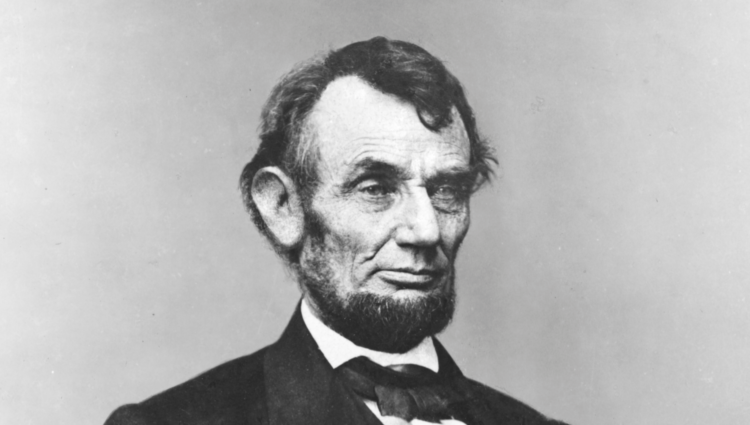
The Problem of a “Conservative” Lincoln

By |2022-07-20T10:00:31-05:00July 26th, 2016|Categories: Abraham Lincoln, Books, Family, History|

After removing family and religion from his life, Abraham Lincoln’s chief object of devotion remained the American nation alone. Shoppers looking for presents at large American book stores have been greeted by a plethora of biographies on Abraham Lincoln recently. Three books have added to the already behemoth historiography of the sixteenth president: Richard Brookhiser’s [...]

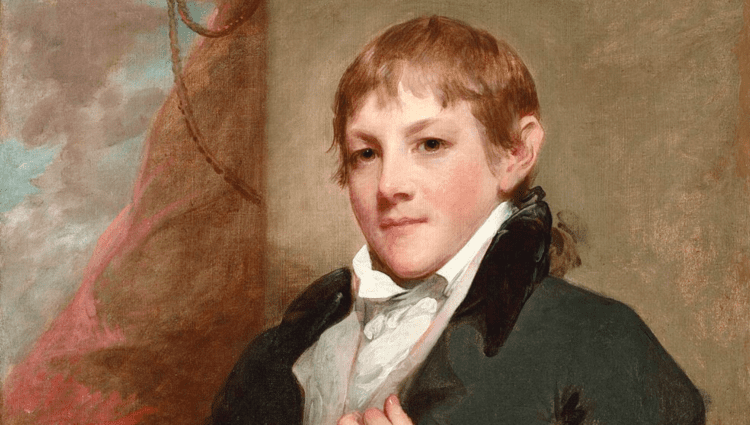
Green Fields & Green Woods: James Kirke Paulding as a Placed Northern Man

By |2023-07-24T08:12:44-05:00July 7th, 2015|Categories: Community, Equality, History, Tradition|

James Kirke Paulding affirmed the preeminence of place, tradition, and orthodoxy in the antebellum North even as he forces of capitalism, Evangelicalism, and materialistic modernity eroded the gentrified and agrarian culture of the Hudson River Valley. Paulding never wavered from his belief in prescriptive truth and the transcendence of place. He derided American democracy, viewing [...]

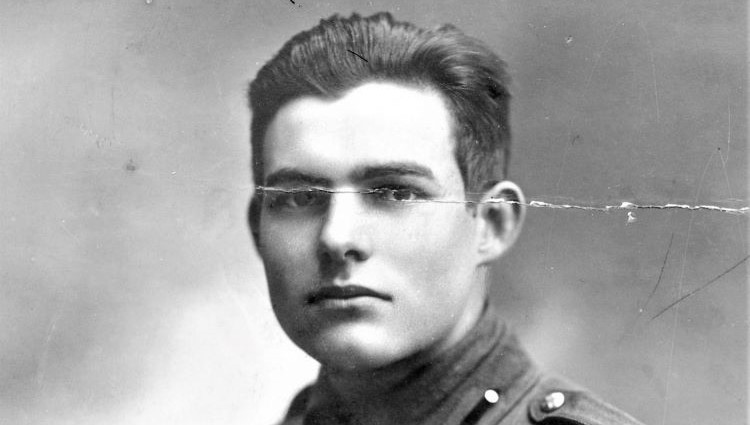
“A War of Righteousness”: The Disillusionment of Ernest Hemingway

By |2023-07-21T07:38:39-05:00November 17th, 2014|Categories: Catholicism, Progressivism, Woodrow Wilson, World War I|

Ernest Hemingway lived and breathed American religious nationalism. But the experience of war caused him to lose his faith in the American nation he inherited from the progressive Protestant establishment. When the United States entered World War I in 1917, President Woodrow Wilson breathed a sigh of relief. A passionate progressive and Presbyterian elder committed [...]

Russell Kirk and the South

By |2021-04-29T07:55:00-05:00September 15th, 2014|Categories: Conservatism, Russell Kirk, South, Southern Agrarians|

Russell Kirk gave southern conservatives a larger canvas by which to imagine the conservative tradition. One could be southern, conservative, and yet reject the ancient racial evils of the South. When Russell Kirk published The Conservative Mind in 1953, he included among the pantheon of conservatives in the United States John C. Calhoun and John [...]

Go to Top