About Christine Norvell

Christine Norvell serves as Upper School Dean at a classical school in Arkansas. A former Senior Contributor at The Imaginative Conservative, she is the author of Till We Have Faces: A Reading Companion (2020).

Herman Melville’s Last Story

By |2025-11-13T22:19:28-06:00November 13th, 2025|Categories: Books, Christine Norvell, Great Books, Herman Melville, Literature|

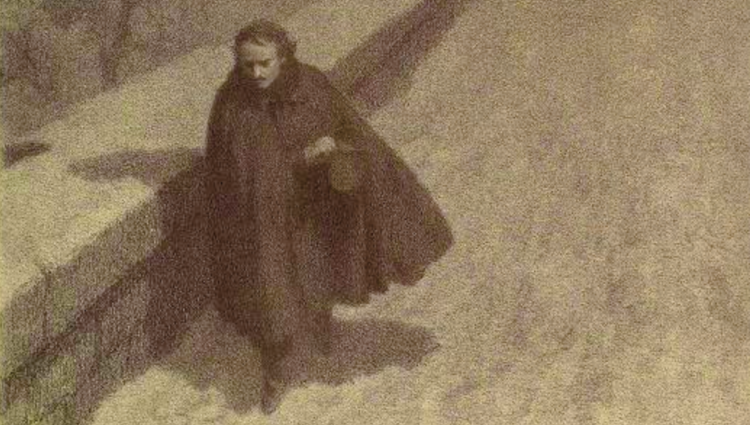
Some would argue that “Moby Dick,” written at the height of his popularity, is Herman Melville’s best work. But his novella “Billy Budd,” written in obscurity and published twenty years after his death, just might surpass his early masterpieces for its concise portrayal of humanity. “The author is generally supposed to be dead,” writes poet [...]

Mortimer Adler & the Context of an Educational Philosophy

By |2025-06-27T16:20:53-05:00June 27th, 2025|Categories: Books, Christine Norvell, Education, Liberal Arts, Mortimer Adler, Timeless Essays|

Robert Woods’ “Mortimer Adler: The Paideia Way of Classical Education” embodies the life and educational philosophy of one education reformer. Though intended to be informative, most chapters are akin to an educator’s devotional, leaving the teacher inspired to be a more thoughtful and focused Christian tutor. Mortimer Adler: The Paideia Way of Classical Education, by [...]

Vivaldi and the Cello

By |2025-03-04T11:56:06-06:00March 3rd, 2025|Categories: Antonio Vivaldi, Audio/Video, Christine Norvell, Culture, Music, Senior Contributors, Timeless Essays|

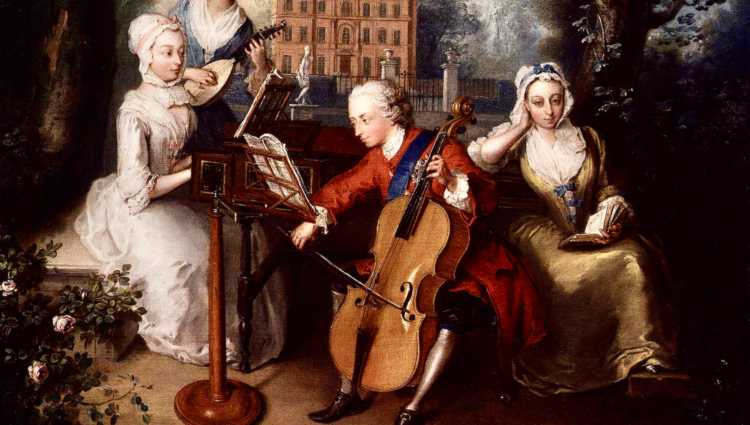
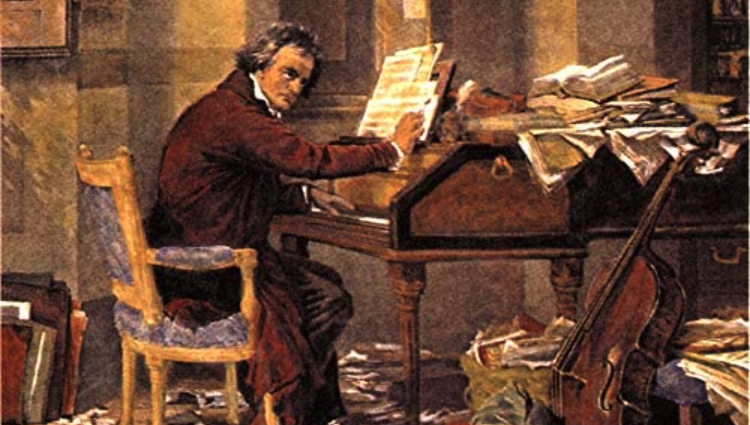
Antonio Lucio Vivaldi’s music is timeless. Performed within the orchestral world, period films, and popular culture today, his works and melodies are recognizable, even to a movie crowd. Yet his work was often discredited in his lifetime because he was prolific. Composers and critics alike believed that Vivaldi’s sheer quantity of production outweighed his quality. Vivaldi and [...]

Remembrance of What Is

By |2024-09-03T18:58:30-05:00September 3rd, 2024|Categories: Literature, Nature|

Infused with the formative power of story, classic literature—replete with beautiful nature language—has the potential to call us back into the “remembrance of what is,” imparting vital concepts of land and place that will shape the next generation of Creation’s stewards. Imparting Concepts of Land and Place through Classic Literature Wendell Berry’s 1964 poem “The [...]

Saint Augustine on Figurative Language in Scripture

By |2024-08-27T19:05:04-05:00August 27th, 2024|Categories: Bible, Christianity, Christine Norvell, Culture, Education, Religion, Senior Contributors, St. Augustine, Theology, Timeless Essays|

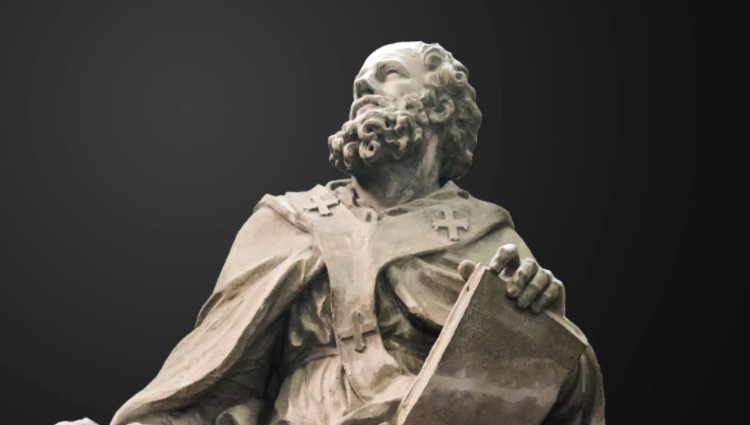
When trying to understand Scripture, we need to establish an analysis of concrete terms. But if we aren’t careful, we just might explain away the beauty of descriptive language in the Bible. Saint Augustine of Hippo encountered the same issue, and not just among his youngest students. In humanities coursework, we often train students to [...]

Emily Dickinson & Drinking All Summer Long

By |2024-05-14T18:59:20-05:00May 14th, 2024|Categories: Christine Norvell, Imagination, Literature, Nature, Poetry, Senior Contributors, Timeless Essays|

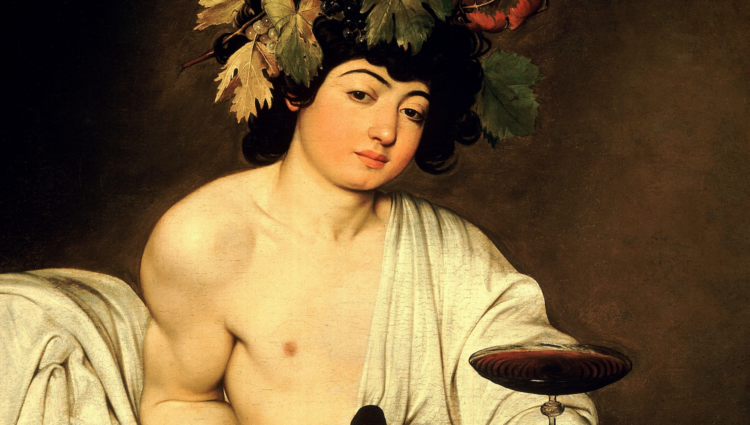
Emily Dickinson creates a simple buffet for our imagination in her nature and summer poems, but most especially in "I taste a liquor never brewed." And rather than being appalled by her celebration of “drunkenness,” I embrace her abandoned delight in the essence of summer. I taste a liquor never brewed – From Tankards scooped [...]

The Humanity of Huck Finn

By |2024-02-17T17:29:52-06:00February 17th, 2024|Categories: Books, Christine Norvell, Fiction, Literature, Mark Twain, Senior Contributors, Timeless Essays, Virtue, Wisdom|

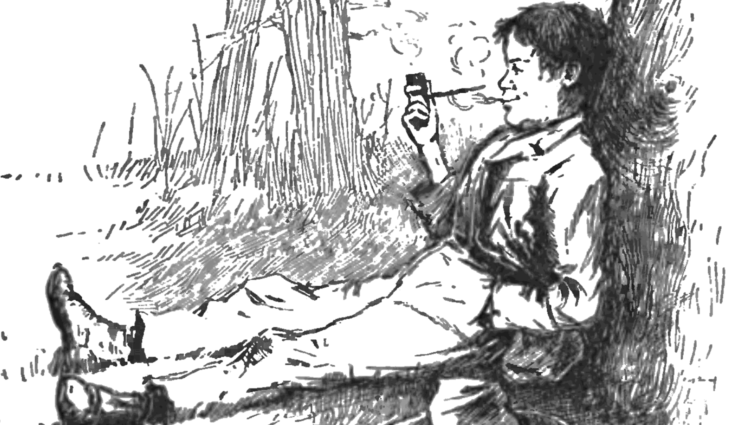
Huckleberry Finn is no hero, though he does symbolize the American conscience at the time Mark Twain wrote, or at least the conscience Twain hoped for. Yes, "Huckleberry Finn" is a coming-of-age tale and a social criticism and satire, but it also asks crucial questions: Who actually changes? What type of American will change? Huckleberry [...]

How Edgar Allan Poe Ensured That Gothic Stories Will Never Die

By |2024-01-14T20:11:42-06:00January 18th, 2023|Categories: Christine Norvell, Edgar Allan Poe, Fiction, Imagination, Literature, Senior Contributors, Timeless Essays|

At the same time that writers were bringing depth of character to the gothic setting in the 19th century, Edgar Allan Poe revitalized the genre in mid-century America. Suddenly Tales of Horror had a distinctly American flair and a surprising psychological depth. This nuance captivated readers then and still does today. Two hundred and fifty [...]

The True, the Good, and the Ugly in “Till We Have Faces”

By |2021-04-22T09:51:39-05:00September 1st, 2020|Categories: C.S. Lewis, Christian Humanism, Christianity, Christine Norvell, Literature, Love, Myth, Senior Contributors|

In the midst of a dream, Orual’s doubts are finally answered by the gods. Once Psyche gives her the gift of beauty, and the God of the mountain appears and speaks to her, her ugliness is washed away. It takes all of Orual’s life to come to this point of faith and cleansing, and now [...]
Words, Signs, and Reality

By |2020-08-13T15:57:27-05:00August 13th, 2020|Categories: Christianity, Christine Norvell, Language, Senior Contributors, St. Augustine, Truth|

Frequently in public forums, people forget Augustine’s simple truth: Words fail or succeed based on what truth or reality they represent to their audience. Augustine would ask us to further the “mutual intercourse of men” and remember that words serve us by their remembrance, their representation, and their reality. As a literature teacher, I thought [...]

The Sweet Value of Literature

By |2020-07-12T15:33:32-05:00July 11th, 2020|Categories: Christine Norvell, Great Books, Literature, Senior Contributors|

Our literature choices shouldn’t be confined by categories and comparison. We should consider what sustains us, what brings life and hope, what bears fruit in us. Literature can inspire virtue and dispel fear, and Francesco Petrarch would call us to absorb the “precious treasure of learning” through a full feast of literature. As Petrarch hand-copied [...]

Modern Plagues and the Prescience of Ray Bradbury

By |2020-05-14T19:42:56-05:00May 14th, 2020|Categories: Christine Norvell, Fiction, Imagination, Literature, Modernity, Ray Bradbury, Senior Contributors, Technology, Television|

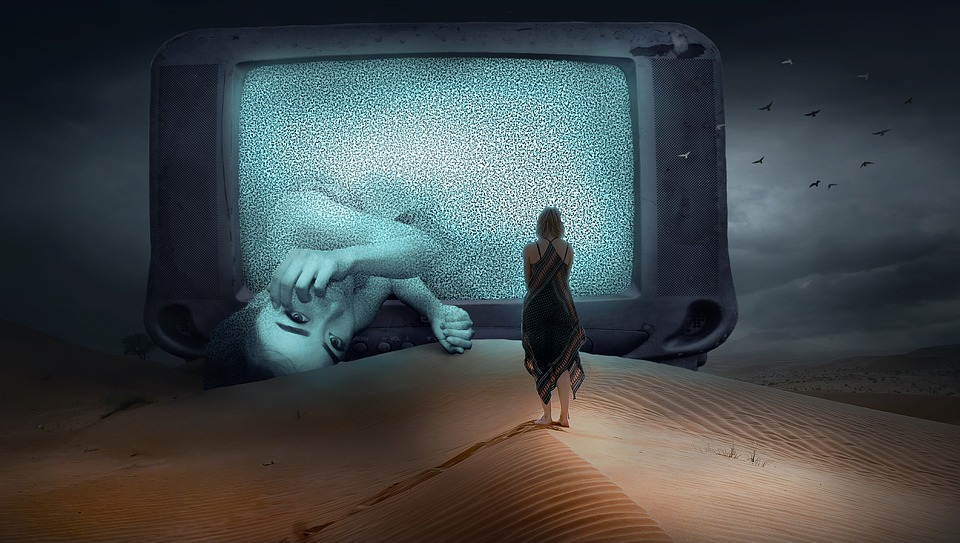
Little did Ray Bradbury know of his prescience in 1951, as he criticized society’s obsession with screens and the far-ranging effects of technology. Could television supersede community? Could it control us to the point of isolation and loneliness? Bradbury’s writing gives us much to think about. I am haunted by a lonely man. At sundown [...]

Go to Top