Requiem for a Soldier: Louis Awerbuck

By |2024-05-26T14:56:07-05:00November 9th, 2023|Categories: Classics, Memorial Day, Sophocles, Timeless Essays, War|Tags: |

Louis Awerbuck believed that societies fell to folly when they drew distinct lines between their warriors and scholars. What this ultimately led to was a society’s thinking being done by cowards and its fighting done by fools. Awerbuck saw himself as the keeper of a tradition, a heritage of warriors in ages past, and civilization’s [...]

“Antigone” and the Necessity of Political Prudence

By |2022-11-06T15:36:43-06:00November 6th, 2022|Categories: Antigone, Government, Great Books, Politics, Religion, Sophocles, Timeless Essays|

A key lesson of Sophocles’ “Antigone” is that fanaticism results when public actors fail to practice the one virtue capable of moderating the excesses of human nature: political prudence. In an insightful essay (“Idolatry in Lockdown,” Law and Liberty, January 28, 2021), Spencer Klavan reflects on the contemporary significance of the conflict at the heart [...]

Antigone Agonistes

By |2021-11-02T14:06:03-05:00November 2nd, 2021|Categories: Antigone, Paul Krause, Sophocles|

It is undoubtedly true that our first and primary loyalty is the love due to family rather than the state. Even if it brings death, the choice of love rather than power is the most heroic thing a human can choose. Aristotle in the Poetics defined the heart of tragedy as the imitation of admirable [...]

The Enduring Legend of “Antigone”

By |2023-05-21T11:29:11-05:00December 16th, 2019|Categories: Books, E.B., Eva Brann, Great Books, In Honor of Eva Brann at 90 Series, Senior Contributors, Sophocles, St. John's College|

Greek myths have had an unbroken authority over the imagination of the West, and among them the Antigone legend is paramount in both shaping and expressing the moral constitution of Western humanity. Antigones, by George Steiner (Clarendon Press, 1984; Oxford Paperback, 1986; 328 pages) Anyone who has reread the Antigone about as often as is [...]

Sophocles on Character

By |2020-11-15T16:04:47-06:00March 19th, 2019|Categories: Antigone, Imagination, Letters From Dante Series, Sophocles|

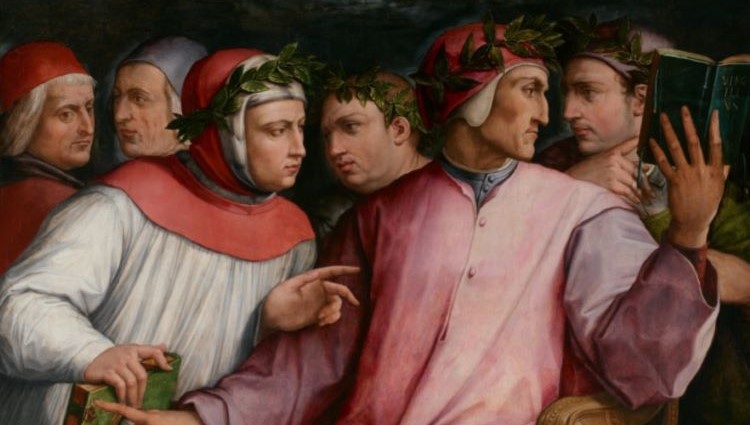
On this earth, there is nothing more firm, more noble, more intransigent than the heroic character. I encourage you, children of the twenty-first century, to respect such heroes, even as you fear them and pray that your fate will not be like theirs. Author’s Introduction: Imagine if Homer, Virgil, Dante, Chaucer, and the other great [...]

Perpetrating a Freud on Sophocles and Shakespeare

By |2019-12-05T10:41:39-06:00January 27th, 2018|Categories: Christianity, Culture, Featured, Joseph Pearce, Sophocles, Virtue, William Shakespeare|

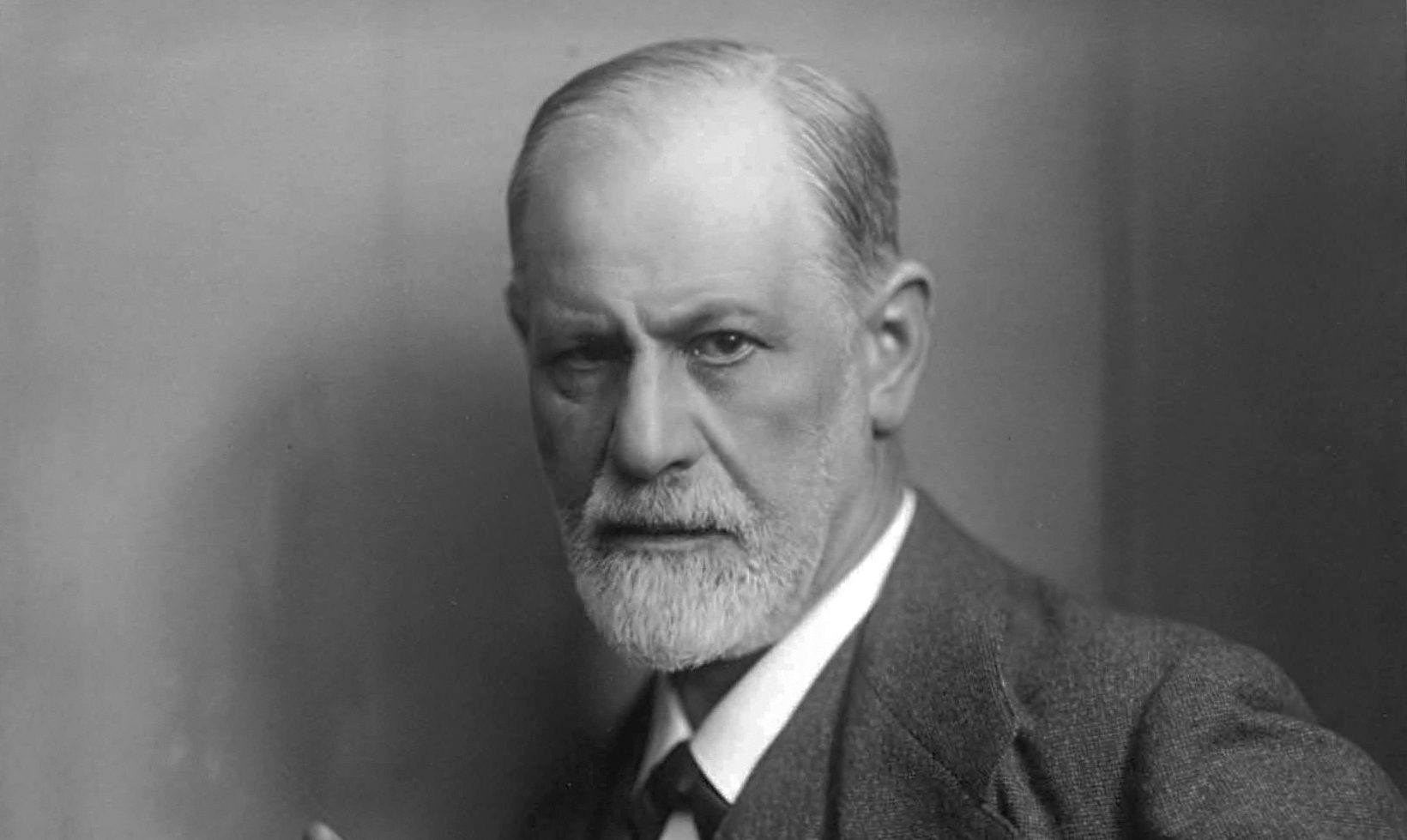
After tainting Oedipus, Sigmund Freud goes even further in his defaming of virtuous characters in literature, dragging the noble Hamlet through the same ignoble mire of his smutty, sex-obsessed imagination… The ignorant pronounce it Frood, to cavil or applaud. The well-informed pronounce it Froyd, But I pronounce it Fraud. —G.K. Chesterton (“On Professor Freud”) Poor old Oedipus. [...]

Making and Revealing

By |2019-10-10T11:51:43-05:00July 28th, 2017|Categories: Catholicism, Christianity, Flannery O'Connor, Glenn Arbery, Hope, Literature, Plato, Poetry, Senior Contributors, Sophocles, Wyoming Catholic College|

Making art is a mode of revealing the world in new ways… For the past two weeks, I’ve been writing about the opportunity to make a new Catholic culture, not from scratch and not from attempts to appropriate whatever happens to be popular at the moment, but from the immense resources available in the tradition [...]

The World of the Poet

By |2021-05-28T12:26:44-05:00June 17th, 2016|Categories: Dante, Fiction, George A. Panichas, Greek Epic Poetry, Homer, Imagination, John Milton, Literature, Moral Imagination, Poetry, Sophocles, Virgil|

Man, it is often said, cannot jump over his own shadow. The poet—and by “poet” I mean a writer of imaginative works in verse or prose—leaps over the universe. Sicut erat in principio et nunc et semper et in saecula saeculorum. I We not only read a novel, we enter into its created world. We [...]

Myth, Sacred Story & Epic: Imagination and Making Fictions

By |2023-05-21T11:30:52-05:00June 7th, 2016|Categories: E.B., Eva Brann, Featured, Homer, Iliad, Imagination, Literature, Myth, Odyssey, Senior Contributors, Sophocles, St. John's College|

A Reflection on Three Questions Concerning the Re-telling of Sacred Stories and of Myths (An Academically Disreputable Inquiry) Questions: Are there canonical sources—gold-standards—for myths, and how would we recognize them? Should our re-visioning of sacred persons and mythical people stay true to the standard version? Should there be myth-dilations? […]

The Enduring Legend of “Antigone”

By |2023-05-21T11:31:07-05:00February 15th, 2016|Categories: Antigone, Books, E.B., Eva Brann, Great Books, Senior Contributors, Sophocles, St. John's College|

Antigones, by George Steiner (Clarendon Press, 1984; Oxford Paperback, 1986) Anyone who has reread the Antigone about as often as is profitable for the time being might consider turning to this book. The curious plural of its title is glossed on the cover of the paperback: “How the Antigone legend has endured in Western literature and thought.” While [...]

Welcome to Colonus: The Theban Plays of Sophocles

By |2023-05-21T11:32:13-05:00June 28th, 2012|Categories: Antigone, Books, Classics, E.B., Eva Brann, Senior Contributors, Sophocles, St. John's College|

Sophocles: The Theban Plays, translated by David R. Slavitt This is the most stripped-down version of the three Theban plays of Sophocles that I have read. As I write, I am surrounded by more than 15 translations retrieved from my shelves and the college library. David Slavitt’s book is by far the shortest and the [...]

Go to Top