The Unbounded Eros of “Tristan and Isolde”

By |2021-05-18T16:11:57-05:00November 25th, 2016|Categories: Culture, Featured, Love, Music, Peter Kalkavage, Philosophy, St. John's College, Virtue|

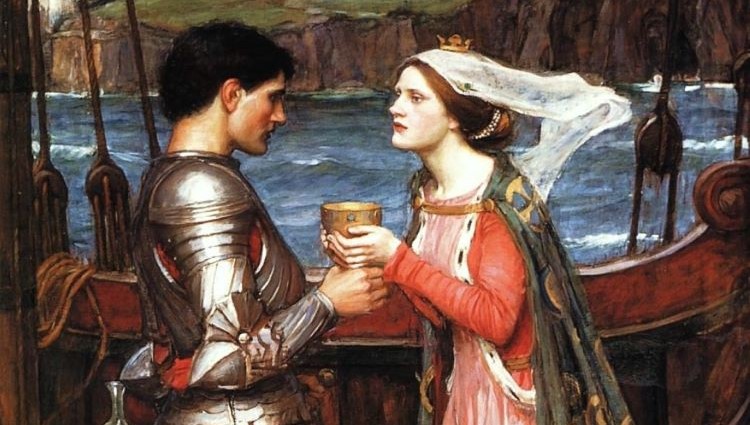
Richard Wagner’s Tristan and Isolde should prompt us to search for an antidote to the lovers’ death wish—to pursue a love that preserves rather than destroys, celebrates rather than abolishes individuality, and seeks life rather than death. “They who were two and divided now became one and united.” —Gottfried von Strassburg, Tristan and Isolde I come [...]

Schopenhauer’s Will and Wagner’s Eros

By |2021-05-18T16:39:16-05:00November 18th, 2016|Categories: Featured, Music, Peter Kalkavage, Philosophy, St. John's College|

There is nothing in the natural world, or in the inner and outer life of man, that does not find its counterpart in the all-embracing realm of tones. Music as symbol is the whole of all things. “They who were two and divided now became one and united.” —Gottfried von Strassburg, Tristan and Isolde I [...]

Music: Giving the World a Rhythmic Sway

By |2020-06-26T13:34:53-05:00May 31st, 2016|Categories: Featured, Happiness, Music, Peter Kalkavage, Plato, St. John's College|

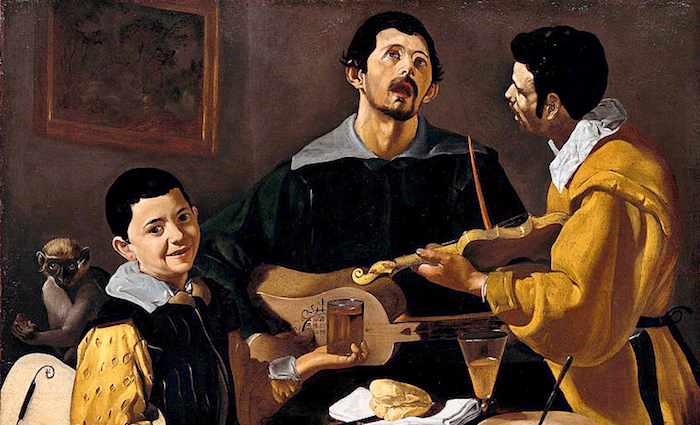
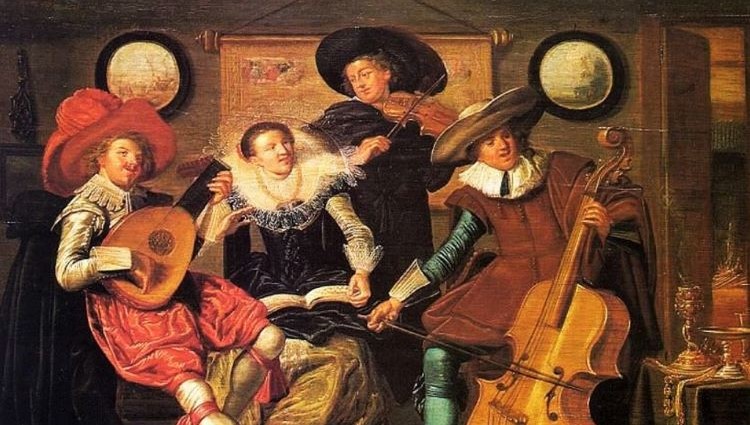
Music, as a living presence that comes to us, offers itself to us, assures us that we are not alone: that there is something out there in the world that knows our hearts and may even teach us to know them better. Music, too, is nature. —Victor Zuckerkandl, Sound and Symbol. This essay explores the [...]

Virtue, Courage, & Moderation in Plato’s “Statesman”

By |2022-08-26T13:53:00-05:00April 15th, 2016|Categories: Classics, Featured, Justice, Peter Kalkavage, Plato, St. John's College, Virtue|

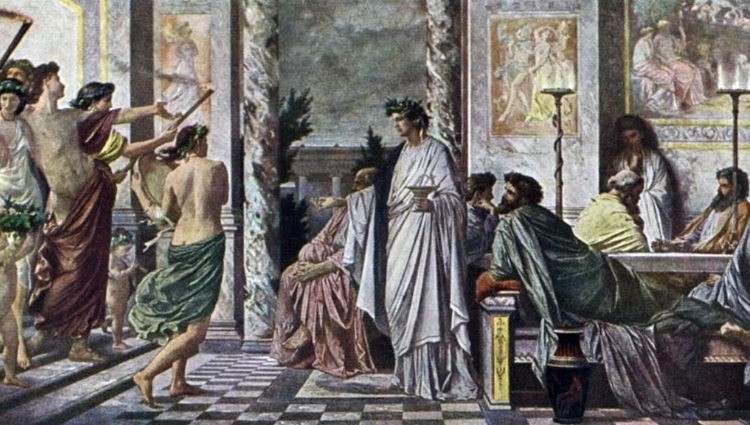
I want to begin by saying how my theme is related to justice. Plato and Aristotle often connect justice with wholeness. And it is wholeness—the whole of virtue and the whole of a political community—that is very much at issue, and at risk, in Plato’s Statesman. Perhaps at risk as well is the wholeness of [...]

Dante’s Global Vision: Seeing & Being Seen in the “Divine Comedy”

By |2021-05-19T12:25:50-05:00July 29th, 2015|Categories: Dante, Featured, Literature, Peter Kalkavage, Poetry, St. John's College|

“The things of friends are common.” —Greek proverb (quoted by Socrates in the Phaedrus) It is a pleasure to be with you today, to visit Belmont University and see Nashville for the very first time. My talk takes its cue from your theme for the year—“Living in a Global Community.” I have chosen to speak about [...]

Hegel & Spirit: The Logic of Desire

By |2023-05-21T11:31:35-05:00July 21st, 2015|Categories: Books, E.B., Eva Brann, Featured, Literature, Peter Kalkavage, Senior Contributors, St. John's College|

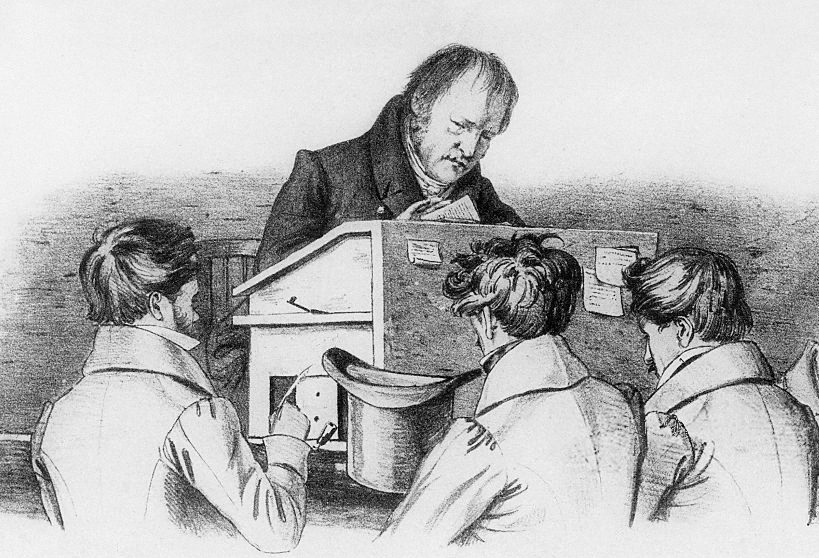
Peter Kalkavage, The Logic of Desire: An Introduction to Hegel’s Phenomenology of Spirit, Paul Dry books Hegel’s Phenomenology of Spirit is an enthralling “picture gallery” (447)* of the successive incarnations in which human consciousness appears in the world; it is also a repellant trudge through the abstract dialectic by which its concept develops. I would claim [...]

Plato’s “Timaeus”: A Unique Universe of Discourse

By |2023-05-21T11:31:38-05:00June 23rd, 2015|Categories: Classics, E.B., Eva Brann, Featured, Peter Kalkavage, Philosophy, Plato, Senior Contributors, St. John's College|

Before reviewing Peter Kalkavage’s Focus Press translation of the Timaeus, I must, in all fairness, confess my partiality. He, Eric Salem, and myself were the co-translators of Plato’s Phaedo and his Sophist for the same publisher. Together, over several years, we worked out some principles of translation which are discernible in this Timaeus version. In [...]

In the Heaven of Knowing: Dante’s Paradiso

By |2021-05-20T16:35:38-05:00August 10th, 2014|Categories: Books, Christianity, Dante, Featured, Heaven, Peter Kalkavage, Poetry, St. John's College|

“For we shall see him as he is.” 1 John 3:2 The focus of my talk this evening is the Paradiso, the culminating and most beautiful part of Dante’s Comedy. The Paradiso has much to tell us about happiness, the perfection of the intellect, the nature of true freedom, the flourishing of community, the role [...]

Plato’s Refugees: A Visit to St. John’s College

By |2021-04-24T23:12:00-05:00June 17th, 2014|Categories: Eva Brann, Peter Kalkavage, St. John's College, Stephen M. Klugewicz|

The first thing one notices while strolling the beautiful grounds of St. John’s College is that there are no cell phones. At least, none are visible. Indeed, there are no tablets, no laptops, no electronics of any sort readily discernible. The absence of screens, faculty member Eva Brann proposes, precludes students from “dispersing themselves,” giving them [...]

Winged Words: Reading & Discussing Great Books

By |2021-05-24T12:08:32-05:00July 11th, 2012|Categories: Books, Great Books, Liberal Learning, Peter Kalkavage, St. John's College|

St. John’s College and the Great Books Program here at Mercer University have much in common. Both programs revolve around a set of great works of Western civilization. In both programs these works are approached through discussion rather than lecture. In both, students are encouraged to learn from one another rather than engage in one-upmanship [...]

The Neglected Muse: Why Music Is an Essential Liberal Art

By |2021-02-09T16:00:03-06:00March 22nd, 2012|Categories: Liberal Learning, Music, Peter Kalkavage, St. John's College|

Music and rhythm find their way into the secret places of the soul. –Plato Music transcends the classroom, the concert stage, and professional recordings. It pervades life. Mankind has long used music in all sorts of ways, to celebrate, to lament, to dance, to pray, to soothe or arouse, to woo, to infuse courage and [...]

Music in the Modern Age

By |2021-05-24T12:41:38-05:00March 3rd, 2012|Categories: Books, Culture, Music, Peter Kalkavage, St. John's College|Tags: , |

Surprised by Beauty: A Listener’s Guide to the Recovery of Modern Music, Robert R. Reilly, Washington, D. C.: Morley Books, 2002. In his generous and beautifully written book, Robert Reilly leads us through the vast, largely unknown territory of twentieth-century music. The title recalls C. S. Lewis’s Surprised by Joy and the poem of the [...]

Go to Top