The Imitation of Socrates

By |2026-11-04T13:37:53-06:00November 3rd, 2026|Categories: Christopher B. Nelson, Classical Education, Classics, Education, Featured, Meno, Plato, Socrates, St. John's College, Timeless Essays|

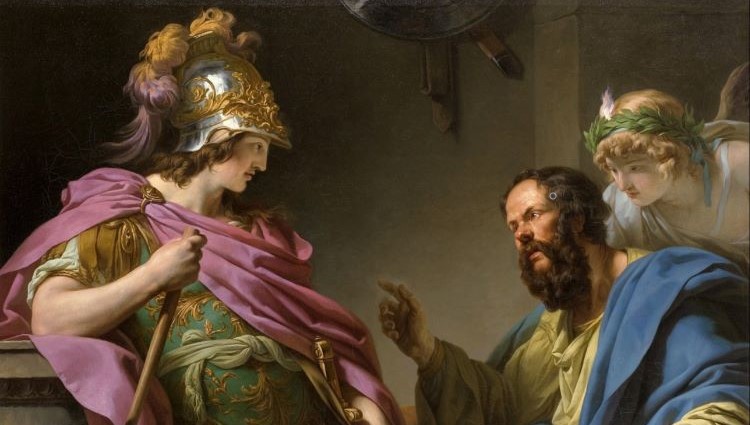
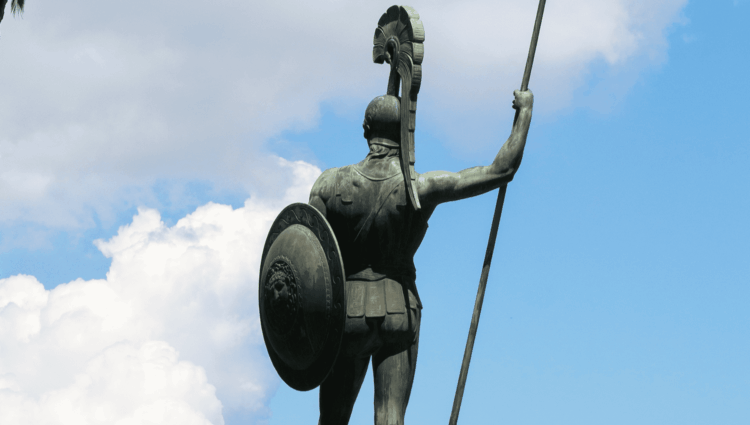
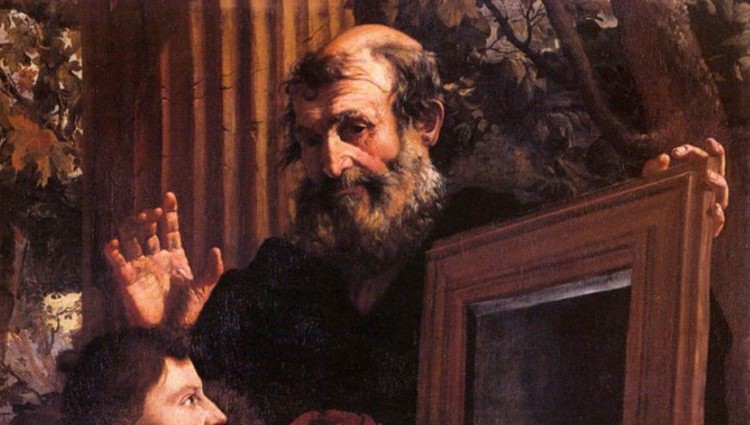
To my mind, there never was a more serious teacher than Socrates. So let us imitate him to the best of our ability, and strive continually to improve our ability. I have written about Socrates as a model for imitating heroes, because he shows us how to use the lives of extraordinary people to help [...]
Barnacles: Liberal Education & the Art of Coming Unstuck

By |2026-10-02T19:36:39-05:00October 2nd, 2026|Categories: Christopher B. Nelson, Imagination, Liberal Learning, St. John's College, Timeless Essays|

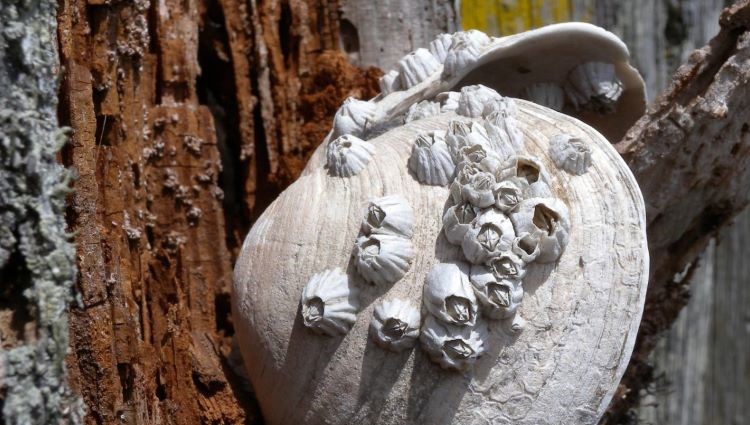
Barnacles do not often occupy the thoughts of landlubbers. Most people can go for weeks without thinking about them. It had been at least that long for me when I found in my files John Gardner’s marvelous 1990 address called “Personal Renewal.” Gardner begins his speech with an arresting quotation from an article he had [...]

The Musical Universe and Mozart’s “Magic Flute”

By |2026-09-30T09:06:13-05:00September 29th, 2026|Categories: Music, Peter Kalkavage, St. John's College, Timeless Essays, Wolfgang Amadeus Mozart|

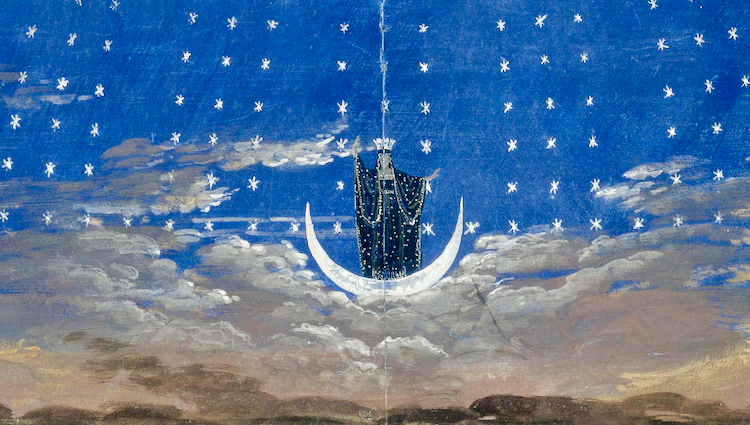
“The Magic Flute” has been called Mozart’s “Masonic opera,” and so it is. Mozart was a serious Freemason. But the Masonic influence is of secondary importance to the power and precision of Mozart’s music, which, like all great music, is inexhaustible. Every act of listening to this work brings new discoveries. “Feelings are ‘vectors’; for [...]

Storytelling & Judgment: Cultivating the Imagination

By |2026-09-26T11:55:00-05:00September 25th, 2026|Categories: Christopher B. Nelson, Classics, Liberal Learning, Socrates, St. John's College, Timeless Essays, Virtue|

Storytelling is an excellent exercise for cultivating the imagination especially, not just the powers of the intellect. I have been giving some special thought lately to the question of how one might develop a capacity for sound judgment and a desire to build good character through the exercise of the imagination—that is through the careful use [...]

Poetic Science in Plato’s “Timaeus”

By |2026-09-22T22:06:05-05:00September 21st, 2026|Categories: Peter Kalkavage, Philosophy, Plato, Science, St. John's College, Timeless Essays|

What happens when one mixes science and poetry in the way that Timaeus does? What can we learn from this strange mix? My intention is to place before us some important themes that connect poetry and science. She was the single artificer of the world In which she sang. And when she sang, the sea, [...]

The Sting of the Torpedo Fish: On Socrates

By |2026-09-18T23:00:11-05:00September 18th, 2026|Categories: Christopher B. Nelson, Classics, Liberal Learning, Meno, Socrates, St. John's College, Timeless Essays, Virtue|

Can you tell me, Socrates, whether virtue can be taught? [to continue] Or if not teachable, is it acquired by practice, or if neither, whether men possess it by nature or in some other way?” So begins Plato’s dialogue, Meno, opening as abruptly upon the reader as my remarks have upon you this afternoon. You [...]

On Music and Metaphysics

By |2026-09-15T14:17:36-05:00September 15th, 2026|Categories: Audio/Video, Beauty, Classical Education, Featured, Hope, Liberal Learning, Music, Peter Kalkavage, St. John's College, Timeless Essays|

Please join Peter Kalkavage as he discusses the metaphysics of music: music's role in the liberal arts, the paradox in the union of rational and irrational, order and feeling in its composition, and music's connection and reflection of the deeper order of the natural world, of being. Introduction: In this podcast, we hear from Peter [...]

Music of the Republic

By |2026-09-13T19:09:06-05:00September 12th, 2026|Categories: Christopher B. Nelson, Classics, Great Books, Liberal Learning, Music, Plato, St. John's College, Timeless Essays, Virtue|

Music pervades our lives and always has. It has taken you outside of yourselves and taken you deep within. It has been associated with things divine. There comes a time in every year when I find myself saying to a friend or a prospective student that this is a very musical College. After twenty years of [...]

Music and the Idea of a World

By |2026-09-10T14:01:22-05:00September 9th, 2026|Categories: Aristotle, Civil Society, Featured, Music, Peter Kalkavage, Plato, St. John's College, Timeless Essays|

Music assures us that we are not alone: that there is something out there in the world that knows our hearts and may even teach us to know them better. Thanks to music, we experience what it means to be connected to the whole of all things. “Music, too, is nature.” —Victor Zuckerkandl, Sound and [...]

Concerning Charles Murray and “Real Education”

By |2026-09-05T21:20:31-05:00September 5th, 2026|Categories: Books, Charles Murray, Christopher B. Nelson, Education, Featured, Liberal Learning, St. John's College, Timeless Essays|

What kind of education is necessary to preserve our liberal democracy? How should we educate our citizens to be fit for the freedom they ought to enjoy in our democratic republic? I confess to having approached Mr. Charles Murray’s book with a little ambivalence. I imagined that I might be one of those educational romantics he [...]

The Unbounded Eros of “Tristan and Isolde”

By |2026-08-31T08:57:17-05:00August 30th, 2026|Categories: Culture, Featured, Love, Music, Peter Kalkavage, Philosophy, St. John's College, Timeless Essays, Virtue|

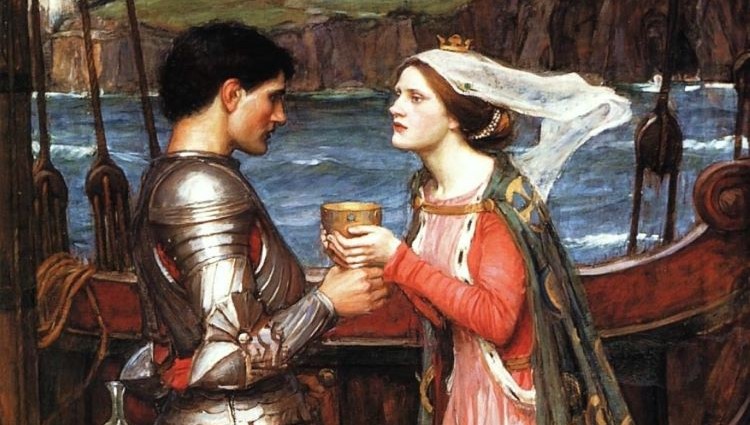
Richard Wagner’s Tristan and Isolde should prompt us to search for an antidote to the lovers’ death wish—to pursue a love that preserves rather than destroys, celebrates rather than abolishes individuality, and seeks life rather than death. “They who were two and divided now became one and united.” —Gottfried von Strassburg, Tristan and Isolde I come [...]

The Things of Friends Are Common

By |2026-08-28T20:52:20-05:00August 28th, 2026|Categories: Christopher B. Nelson, Friendship, Liberal Learning, St. John's College, Timeless Essays|

What are the things that could be common to friends? What things can truly be held in common without having to be shared or meted out among friends? Welcome to the Class of 2013 and to your families.* To the rest of our college community, welcome back. Welcome, friends all! I came to a rather [...]

Schopenhauer’s Will and Wagner’s Eros

By |2026-08-24T05:56:18-05:00August 23rd, 2026|Categories: Featured, Music, Peter Kalkavage, Philosophy, St. John's College, Timeless Essays|

There is nothing in the natural world, or in the inner and outer life of man, that does not find its counterpart in the all-embracing realm of tones. Music as symbol is the whole of all things. “They who were two and divided now became one and united.” —Gottfried von Strassburg, Tristan and Isolde I [...]

The Imitation of Heroes

By |2026-08-19T10:54:47-05:00August 19th, 2026|Categories: Ancient World, Christopher B. Nelson, Classical Education, Classics, Liberal Learning, Phaedo, Plato, Socrates, St. John's College, Timeless Essays|

The demise of imitation has been devastating for personal growth. It used to be a commonplace that successful people need to have extraordinary “heroes” whom they admire and try to emulate. But the historical disciplines in the twentieth century waged something of a war against the very idea of the hero. Imitation, like so many [...]

Go to Top