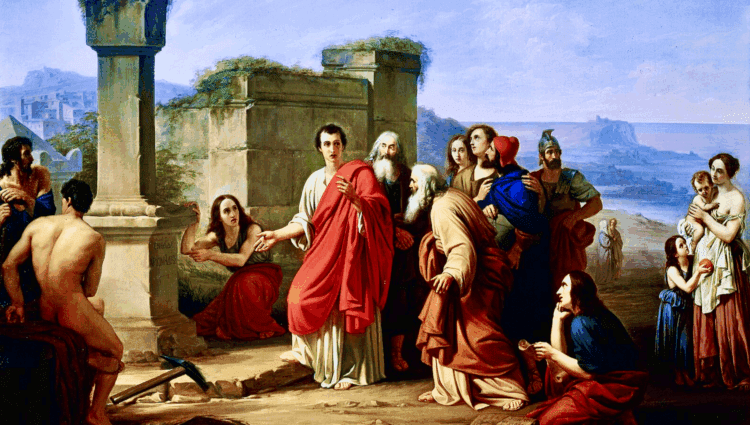
The Imitation of Heroes

By |2026-08-19T10:54:47-05:00August 19th, 2026|Categories: Ancient World, Christopher B. Nelson, Classical Education, Classics, Liberal Learning, Phaedo, Plato, Socrates, St. John's College, Timeless Essays|

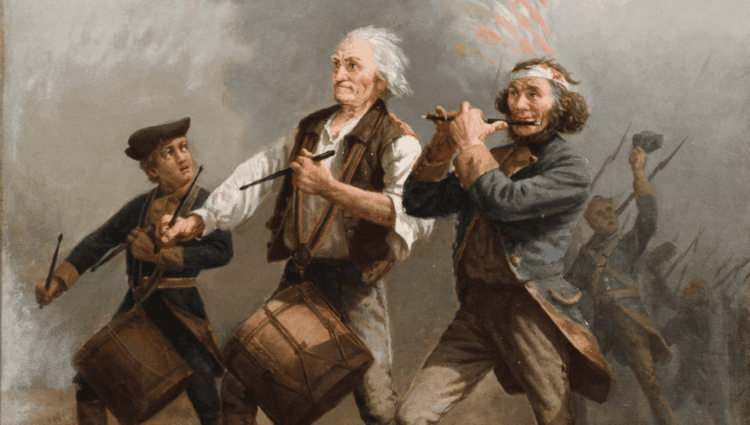
The demise of imitation has been devastating for personal growth. It used to be a commonplace that successful people need to have extraordinary “heroes” whom they admire and try to emulate. But the historical disciplines in the twentieth century waged something of a war against the very idea of the hero. Imitation, like so many [...]
Music: Giving the World a Rhythmic Sway

By |2026-08-17T13:17:37-05:00August 16th, 2026|Categories: Featured, Happiness, Music, Peter Kalkavage, Plato, St. John's College, Timeless Essays|

Music, as a living presence that comes to us, offers itself to us, assures us that we are not alone: that there is something out there in the world that knows our hearts and may even teach us to know them better. Music, too, is nature. —Victor Zuckerkandl, Sound and Symbol. This essay explores the [...]

Virtue, Courage, & Moderation in Plato’s “Statesman”

By |2026-07-19T16:25:29-05:00July 19th, 2026|Categories: Classics, Featured, Justice, Peter Kalkavage, Plato, St. John's College, Timeless Essays, Virtue|

Plato and Aristotle often connect justice with wholeness. And it is wholeness—the whole of virtue and the whole of a political community—that is very much at issue, and at risk, in Plato’s “Statesman.” I want to begin by saying how my theme is related to justice. Plato and Aristotle often connect justice with wholeness. And [...]

Music of the Declaration

By |2026-07-03T10:51:31-05:00July 3rd, 2026|Categories: American Republic, Christianity, Declaration of Independence, John Locke, Liberty, Socrates|

If we reject the Christian account of liberty, the Declaration ceases to cohere. If we accept the Christian account of liberty, we can recover a Declaration that is both philosophic and poetic. The most famous sentence of the Declaration of Independence attempts to be a work of poetry and philosophy: “We hold these truths to [...]

Fit for the World

By |2026-06-13T21:28:34-05:00June 13th, 2026|Categories: Antigone, Apology, Christopher B. Nelson, Essential, Great Books, Humanities, Liberal Learning, Plato, Socrates, St. John's College, Timeless Essays|

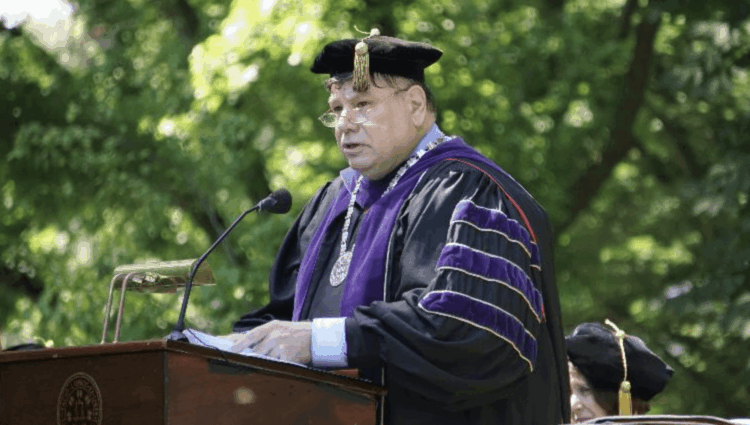
The mysteries of the human heart, and of the soul within you, are every bit as wondrous as the mysteries of the political and the natural worlds. And so you have asked questions of the world, in part because it is your nature to wish to know, in part because you wish to know your [...]

Logotherapy: Man’s Search for Meaning

By |2026-01-11T13:23:30-06:00January 10th, 2026|Categories: Classical Education, Education, Goodness, Liberal Learning, Literature, Philosophy, Socrates, Truth|

Now we’ve always been a happiness oriented culture. “Life, liberty and the pursuit of happiness” and so forth. Right? But it’s taken a particularly interesting turn: the topic of “meaning” and “meaning in life” is coming to the fore. People, more and more, are talking about not just sheer contentedness, but what it is for [...]

Love Is All You Need: Motive Power of Western Civilization

By |2025-12-28T18:50:12-06:00December 28th, 2025|Categories: Ancient World, Bradley J. Birzer, Christianity, Goodness, Love, Modernity, Senior Contributors, Socrates, Western Civilization, Western Tradition|

In the modern world, love is often ignored or perverted into lust. When we talk of governance, when we talk of relationships, when we talk of societal structures, we never mention love. What happened? How could the modern West be so very different from the ancient and medieval West? One of my greatest joys in [...]

Caves, Happiness, and Liberal Learning

By |2025-12-09T10:31:08-06:00December 8th, 2025|Categories: Eva Brann, Liberal Learning, Plato, Socrates, St. John's College, Timeless Essays, W. Winston Elliott III|

If Plato’s extended metaphor of the mind as depicted by the city is true, every human mind has the capacity to train its Guardians, curb the appetitive part of the soul, and live on the grassy plains in the sun above the cave. It’s a question of true learning. When Eva Brann describes a liberal [...]

Saint Augustine: Founding Philosopher of History

By |2025-11-12T19:23:50-06:00November 12th, 2025|Categories: Bradley J. Birzer, Classics, History, Plato, St. Augustine, Timeless Essays|

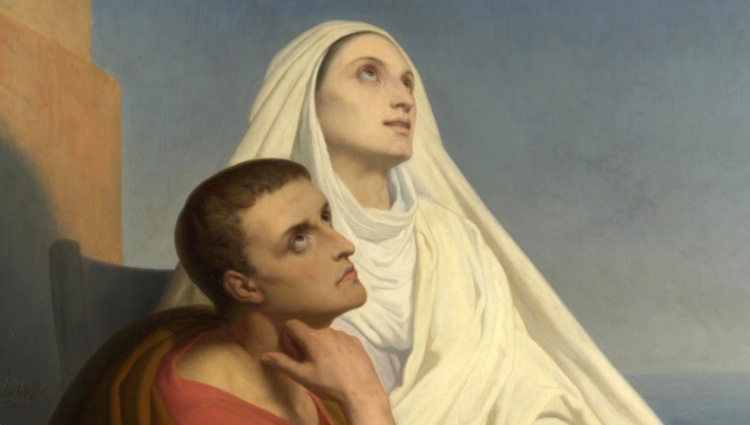
Saint Augustine was the first Christian to offer a comprehensive Philosophy of History, which the Russian Orthodox writer Nicholas Berdyaev called nothing short of “ingenious.”[1] One of his greatest accomplishments was the sanctification of Plato’s understanding of the two realms: the perfect Celestial Kingdom and the corrupt copy. One finds this tension and conflict between [...]

What Is Christian Liberal Education?

By |2025-11-04T16:04:02-06:00November 4th, 2025|Categories: Catholicism, Christianity, Classical Education, Classical Learning, Classics, Education, Liberal Learning, Literature, Plato|

For a thousand years, liberal education shaped the moral imagination of succeeding generations, almost unaware that it was freeing them from the coercive obsessions of their political masters. Reading classics like Anne of Green Gables, Farmer Boy, or To Kill a Mockingbird, some parents meditate on the adolescents portrayed—teenagers eager to master the virtues of [...]

Be Good & Teach Naturally: Forming a Community in Goodness

By |2025-10-27T19:37:07-05:00October 27th, 2025|Categories: Authority, Community, Education, Goodness, Plato|

The ultimate job of the teacher is to help orient students to and deepen their intimacy with reality itself. And the indispensable condition for a teacher being able to do this is not expertise, experience, knowledge, or pedagogical technique, however important these are, but literally being in love with the good. How do we enable [...]

Teaching Plato’s Republic

By |2025-10-17T04:24:37-05:00October 16th, 2025|Categories: Christianity, Classical Education, Classical Learning, Classics, Education, Liberal Learning, Plato|

For the classical educator, there are many educational goods to be achieved from reading Plato’s "Republic" with students because it is a dialogue that invites us to wonder about the most important questions humans can possibly ask: What is Reality? What is the Good? Does it exist? Can we know it? Why should we care? [...]

Socrates, Cicero, & the Meaning of Citizenship

By |2025-10-08T20:27:20-05:00October 8th, 2025|Categories: Bradley J. Birzer, Citizenship, Conservatism, Edmund Burke, Liberal Arts, Senior Contributors, Socrates, St. Paul|

We modern defenders of the liberal arts have to choose between Socrates’ vision and Cicero’s vision: Are we citizens of a particular soil and a particular place, or are we connected—across time and space—to all good men and God? A few weeks ago, I had the grand privilege of attending a Liberty Fund conference on [...]

Go to Top