Why We Need “Too Many” Firefighters

By |2025-01-09T17:19:05-06:00August 29th, 2018|Categories: American Republic, Civil Society, Community, Culture, Economics, Social Institutions|

Firefighters’ role in the perpetuation of the common good in American communities is significant, even in surprising and unexpected ways. At a time when America is suffering a decline in community service and volunteerism, we should be grateful for firefighters serving our communities in other ways. As wildfires rage across California, the state has once [...]
The Tragedy of Democracy Without Authority: Maritain & Thucydides

By |2020-09-11T16:41:40-05:00August 19th, 2018|Categories: Civil Society, Conservatism, Democracy, History, Philosophy, Politics, Thucydides, Timeless Essays|

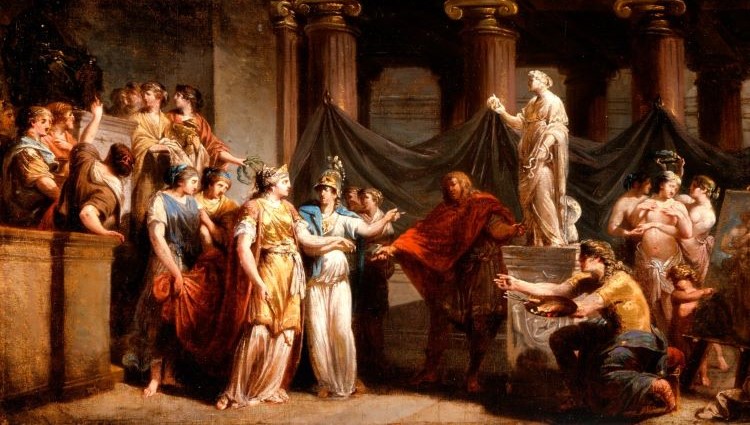
Democracies were acutely problematic when they did not collectively comprehend the necessity of legitimate authority permeating the polis. Lacking this understanding, power was elevated in authority’s absence. Scrupulous fear of the gods is the very thing which keeps the Roman Commonwealth together. To such an extraordinary height is this carried among them, both in private [...]

Plato’s “Republic”: Impossible Polity

By |2023-05-21T11:30:22-05:00July 23rd, 2018|Categories: Books, Civil Society, E.B., Eva Brann, Great Books, Philosophy, Plato, Senior Contributors, St. John's College|

Plato’s Republic: A Study by Stanley Rosen (432 pages, Yale University Press, 2008) Plato’s Republic, Stanley Rosen says at the beginning of his book, is “both excessively familiar and inexhaustibly mysterious.” Thus it invites ever more interpretations, not, I think, by reason of any willful indeterminacy or woolly grandeur on Plato’s part, but because a false [...]

Can the Liberal Arts Save Our Souls?

By |2021-04-26T13:04:55-05:00July 13th, 2018|Categories: Aristotle, Cicero, Civil Society, Government, Liberal Arts, Liberal Learning|

If one cannot hope for an informed citizenry—and the evidence is overwhelming that such a hope is futile—one must hope for something else: a formed citizenry. For the remedy for thoughtlessness is not information; it is thought, thought about what man is, what the good man is, what the good society is, what virtues and [...]

Mending Walls: Why Good Fences Make Good Neighbors

By |2020-03-25T12:37:16-05:00July 8th, 2018|Categories: Civil Society, Community, Immigration, John Horvat, Robert Frost, St. Thomas Aquinas|

The liberal rage against the border wall has much to do with the nature of boundaries. Walls, borders, and fences are manifestations of restraint. Fallen humanity naturally resists the restraints of order that keep the unbridled passions under control. Walls are needed to keep the peace… “Something there is that doesn’t love a wall,” wrote [...]

“Grizzly Man”: Longing for Eden

By |2019-09-28T09:50:05-05:00June 28th, 2018|Categories: Civil Society, Culture, Film, Joseph Pearce, StAR|

The human and animal worlds are distinct, and relations between them are as much affected by Original Sin as all else in the universe. No amount of wishful thinking, no matter how well-intentioned or deluded, is going to change this… In the last decades there has been a romanticization of nature and man’s place within [...]

Why Society Needs to Cultivate a True Elite Class

By |2022-10-10T11:39:10-05:00June 26th, 2018|Categories: Civil Society, Culture, John Horvat, Leadership, Social Order|

All healthy societies must have elites. The real question is: How do we cultivate true elites who will fully carry out their proper role in society? The problem with our present, meritocratic elites is that they do not know how to carry out these obligations. There was a time when the nation was ruled by [...]

The Attack on Memory

By |2020-03-10T10:59:31-05:00June 21st, 2018|Categories: American Republic, Andrew Lytle, Civil Society, Richard Weaver, Robert E. Lee, South|

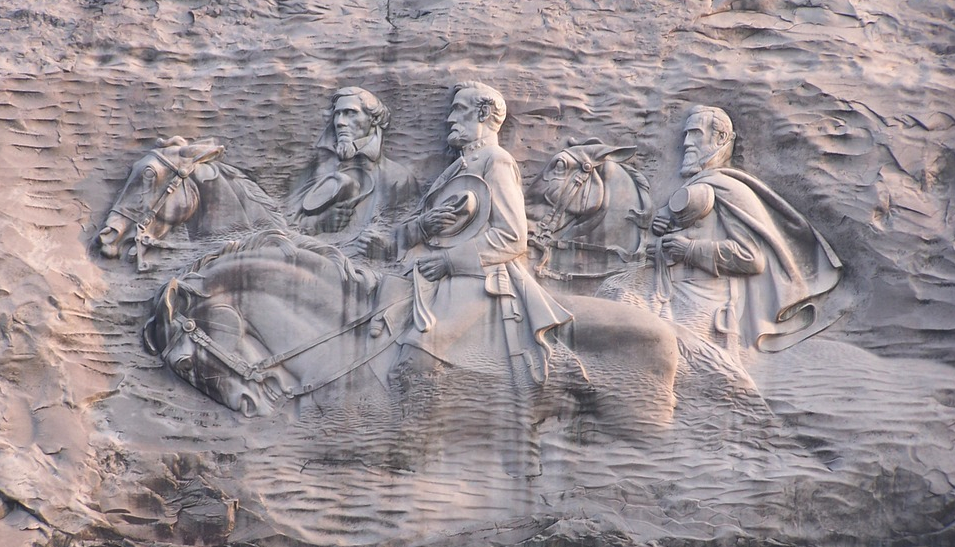
History is the “remembered past,” remembered according to values and virtues that are the inheritance of a particular people. The story as told gives meaning to the “facts,” and the story must be told to be remembered. “Remember therefore from whence thou art fallen, and repent, and do the first works; or else I will [...]

The Durable Mr. Albert Jay Nock

By |2020-10-13T11:40:30-05:00April 18th, 2018|Categories: Civil Society, Conservatism, Economics, History, Tradition|Tags: , |

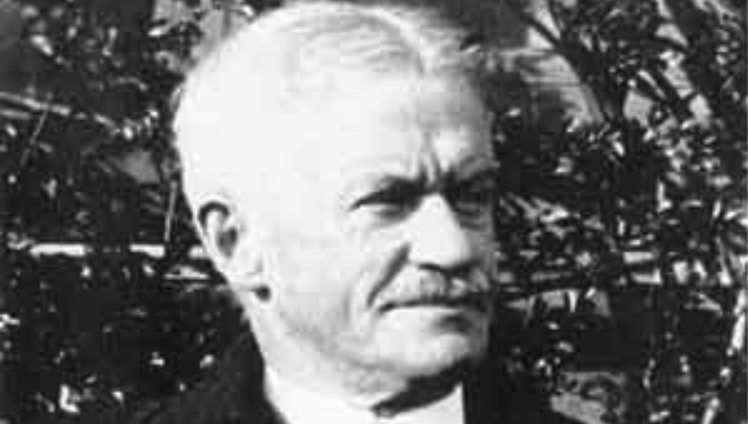
Some sound instinct kept Albert Jay Nock from ever becoming a reformer, in the usual sense. He was never a tub-thumper for some system; never an organization man. He was, to the contrary, a lifelong learner. Albert Jay Nock died too soon, but not before he had nailed to the mast several of the paradoxes [...]

The Necessity of Dogmas in Schooling

By |2021-04-29T13:01:39-05:00April 8th, 2018|Categories: Civil Society, Conservatism, Culture, Education, RAK, Russell Kirk, Social Order|Tags: |

As the rising generation is left ignorant of our civilization’s dogmas—or is encouraged to discard them—strange new dogmas rush in to fill the spiritual vacuum… All societies, in all times, have lived by dogmas. When dogmas are abandoned, the social bonds dissolve—swiftly or slowly; and the “open” society ceases to be a society at all, [...]

Applying the Principle of Subsidiarity to the Debt Crisis

By |2019-01-24T12:51:06-06:00April 1st, 2018|Categories: Christianity, Civil Society, Congress, Conservatism, Economics, Family, John Horvat, Politics, Virtue|

Until individuals, families, institutions, and government are restored to their proper roles, America will continue crashing through the debt ceiling… It is official: The national debt has now exceeded $21 trillion. The tragic news comes just six months after it hit $20 trillion last September 8. This problem is obviously not going away. By voting to suspend [...]

The Architecture of Servitude and Boredom

By |2020-04-20T10:47:19-05:00April 1st, 2018|Categories: Architecture, Beauty, Civil Society, Community, RAK, Russell Kirk|Tags: |

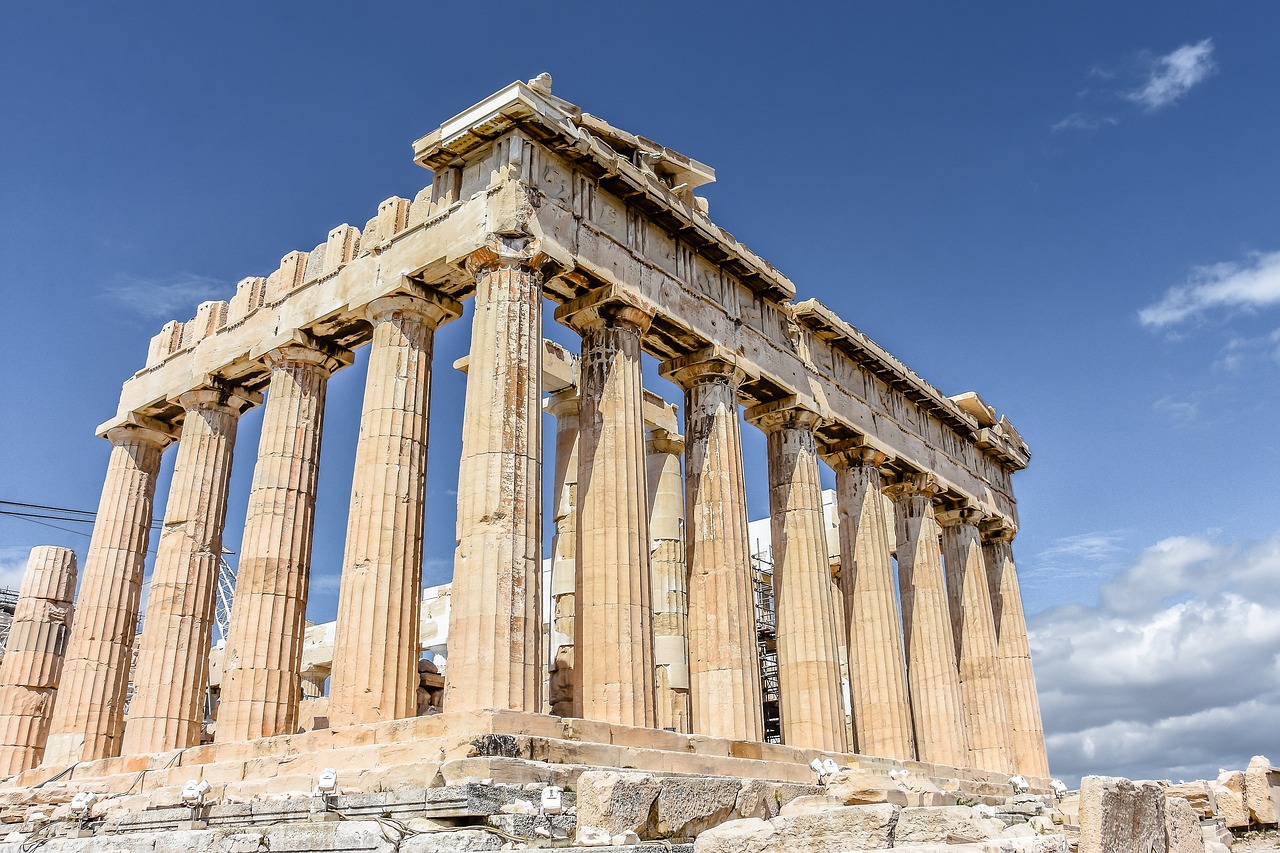
Do we descend steadily, and now somewhat speedily, toward a colossal architecture of unparalleled dreariness, and a colossal state of unparalleled uniformity? Will all of us labor under a profound depression of spirits because of the boring and servile architecture about us? And will the society now taking form in America resign itself to a [...]

Go to Top