Dante on Lust

By |2019-09-09T22:56:39-05:00September 9th, 2019|Categories: Christianity, Dante, Great Books, Letters From Dante Series, Louis Markos, Love, Morality, Sexuality, Virtue|

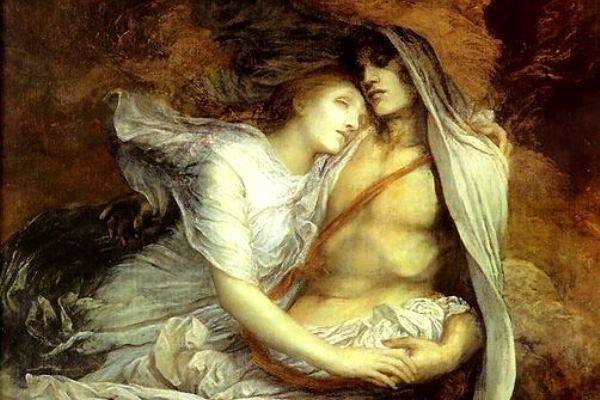
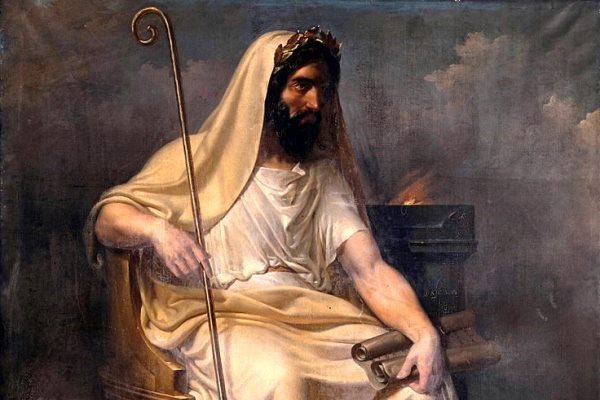
It is both seemly and right to feel love and even erotic passion, but when such feelings are taken to an improper extreme or directed toward an improper object, they grow twisted and perverse and morph into the sin of lust. We will have done significant damage to ourselves. Author’s Introduction: Imagine if Homer, Virgil, [...]

Victory Over Japan: Did the End Justify the Means?

By |2019-09-01T23:50:34-05:00September 1st, 2019|Categories: American Republic, History, Morality, War, World War II|

The central moral issue regarding both the atomic bomb and fire-bombings of cities is whether or not civilians play a key role in a ‘total war.’ When an entire society is mobilized for war, who is making the war possible through production of weapons and materials? What’s the line between combatant and non-combatant? One of [...]

The Challenge of Goodness in George MacDonald’s “Sir Gibbie”

By |2019-08-29T11:20:52-05:00August 29th, 2019|Categories: Books, Charity, Christine Norvell, Fiction, Literature, Morality, Senior Contributors, Virtue|

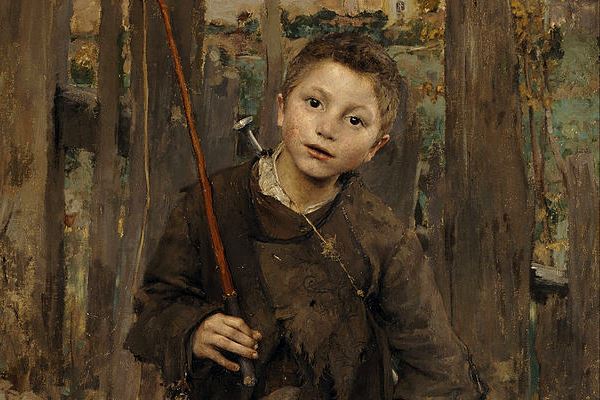
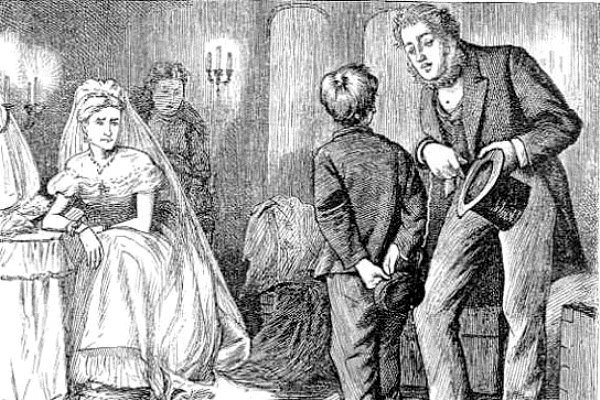
In “Sir Gibbie,” George MacDonald shows us how goodness is not in action only, but also in the doer first. The virtuous person sees truly, judges rightly, and acts. It is the love of God within Gibbie that prompts him to do so. Sometimes you read a book that causes you to marvel at the [...]

Moral Education From Birmingham Jail

By |2021-04-16T11:43:47-05:00August 27th, 2019|Categories: Conservatism, Martin Luther King Jr., Modernity, Morality, Worldview|

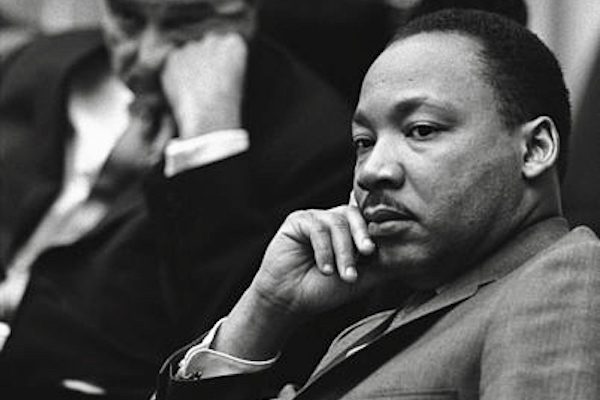
In an age of moral confusion, Martin Luther King's "Letter from Birmingham Jail" offers welcome clarity. Its rhetoric still has power today, with memorable phrases like "justice too long delayed is justice denied" and "Human progress never rolls in on wheels of inevitability." But the heart of his argument, that man-made laws are just only [...]

Consequentialism & the Atomic Bomb in World War II

By |2020-08-05T06:41:08-05:00August 5th, 2019|Categories: American Republic, Foreign Affairs, History, Morality, Politics, War|

Consequentialism falls short because it blurs the distinction between murder and killing in war, the latter of which—while not always adhering to Gospel truth—is a grim necessity in the defense of the state. The misapplication of consequentialism to the atomic missions does a severe disservice to history. I. One need not be an aficionado of [...]

Reason in the Making: Artistic Vision in Albert Camus’ “The Guest”

By |2019-08-08T12:54:16-05:00August 1st, 2019|Categories: Culture, Literature, Morality, Philosophy|

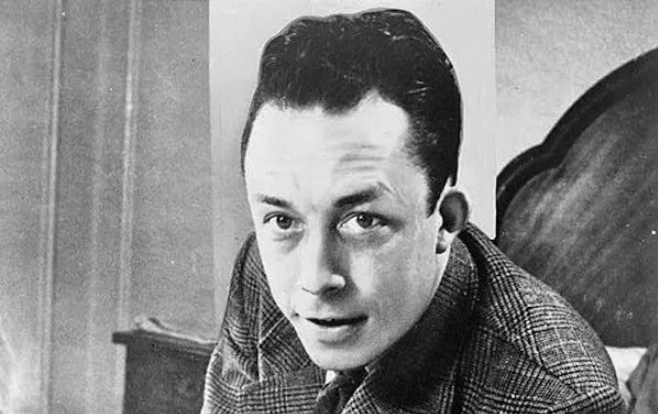
Albert Camus was a gifted writer, and though he approaches the edge of beauty, he fails to make the leap. In doing so, he condemns his stories, ironically, to the role of featureless individuals, accidents of energies. Artistic vision, Flannery O’Connor insists, takes place in a space where, “The writer’s moral sense must coincide with [...]

Plutarch’s “Lives”: A Tale of Spiritual & Moral Instruction

By |2019-07-18T08:36:02-05:00July 12th, 2019|Categories: Great Books, History, Morality, Paul Krause, Plutarch, Rome, Senior Contributors|

Plutarch’s “Parallel Lives” is a profoundly spiritual and moral work, and one which calls each and every one of us to become great men and not to remain in the shadow of the great men of history who may, in fact, have been petty instead of great. Lucius Mestrius Plutarchus, better known as Plutarch, lived [...]

Dickens’ “Great Expectations”: Pip’s Confessions

By |2019-07-02T11:56:04-05:00July 1st, 2019|Categories: Charles Dickens, Christianity, Literature, Morality, Paul Krause, Senior Contributors|

“Great Expectations” is a novel of self-introspection—especially as the story relates to our narrator and protagonist, Pip. The question of who Pip is and what he shall become is the fundamental theme that drives the story forward. “My father’s family name being Pirrip, and my Christian name Philip, my infant tongue could make of both [...]

The Moral Project of Nietzsche’s “Beyond Good and Evil”

By |2021-04-27T20:24:42-05:00June 26th, 2019|Categories: Education, Friedrich Nietzsche, Great Books, Morality, Philosophy|

Friedrich Nietzsche has long been smeared as a ghastly nihilist who repudiated all conceptions of morality. Critics point to the title of his famous work, Beyond Good and Evil, which appears to call for the repudiation of morality, as well as contain his vociferous condemnations of eternal moral standards. With his proclamation that “God is [...]

What Happens When We Don’t Talk About Virtue?

By |2019-09-24T13:41:21-05:00April 9th, 2019|Categories: Culture, Morality, Virtue|

Although man is corrupt by nature, he is capable of acquiring virtues. He is born with a number of dangerous instincts, but he is capable of tempering and sometimes even stifling those instincts so that they do not flower into evil… The traditional virtues have all but disappeared from today’s language. Hardly anyone seriously talks [...]

“Hell or High Water”: Robin Hood in West Texas

By |2024-03-02T11:21:22-06:00March 29th, 2019|Categories: American West, Culture, Dwight Longenecker, Film, Morality|

What interests me about the movie “Hell or High Water” are the moral dilemmas. In addition to its being a smart heist movie and an up-to-date Western, it is also a Robin Hood story. The main characters might be robbing banks illegally but they’re stealing from the bankers who first robbed their family legally. The [...]

Momentary Morality & Extended Ethics

By |2023-05-21T11:29:48-05:00March 18th, 2019|Categories: E.B., Ethics, Eva Brann, In Honor of Eva Brann at 90 Series, Liberal Learning, Morality, Senior Contributors, St. John's College, Virtue|

Morality requires command-issuing universal law; ethics, on the other hand, demands natural and acquired personal qualities. One human being may indeed live with two moralities, one public, one private, and this duplicity is not always hypocritical; it may simply make life livable and prevent it from becoming worse. You have been reading and talking about [...]

John Locke on “The Reasonableness of Christianity”

By |2020-08-28T17:10:38-05:00March 14th, 2019|Categories: Books, Christianity, John Locke, Morality, Philosophy, Reason, Religion, Theology|

A primary theme that runs throughout The Reasonableness of Christianity is John Locke’s belief that men who attempt to understand natural law and morality through their faculty of reason alone often fail at their task. But why is it that reason alone, also according to Locke, can explain Revelation? The question this essay poses might seem somewhat straightforward: [...]

Becoming Saints in a Time of Scandal and Crisis

By |2020-10-31T11:24:57-05:00February 16th, 2019|Categories: Abortion, Catholicism, Christendom, Christianity, Morality|

In responding to the present crisis and scandal in the Church, I believe it is possible to experience both righteous anger and godly sorrow and yet maintain a healthy detachment. We move away from healthy detachment when we embrace an emotional or spiritual state that depletes our inner resources and prohibits us from becoming saints. [...]

Go to Top